The Extraordinary Journey of Hendrick Hamel: The Man Who Introduced Korea to the West
In the mid-17th century, the Kingdom of Joseon (modern-day South Korea) maintained a strict policy of isolation from the outside world. This changed forever due to a dramatic shipwreck that brought a Dutch sailor to the shores of East Asia. Hendrick Hamel, a man whose life was defined by survival and unexpected adventure, would eventually provide the very first Western account of the Korean peninsula.
Hamel's story is not just one of maritime tragedy, but of a thirteen-year odyssey through a foreign land, culminating in a written legacy that bridged two vastly different cultures.
Key Facts
- Identity: A Dutch sailor and bookkeeper for the Dutch East India Company (VOC).
- The Incident: Shipwrecked in 1653 off Jeju Island while sailing to Japan.
- The Captivity: Spent 13 years in the Joseon Kingdom due to isolationist policies.
- Major Work: Author of "Hamel's Journal and a Description of the Kingdom of Korea, 1653–1666."
- Legacy: A symbol of cultural and economic exchange between the Netherlands and South Korea.
Early Life and the Fatal Voyage
Born in 1630 in Gorinchem, Netherlands, Hendrick Hamel's early life remains largely a mystery. By 1650, he had begun a career with the Dutch East India Company (VOC), working as a bookkeeper in the Dutch East Indies (modern-day Indonesia).
On August 17, 1653, Hamel was part of the crew aboard the ship De Sperwer ('The Sparrowhawk'), sailing toward Japan. The voyage took a catastrophic turn when the ship was wrecked on Gapado Island, located off the coast of Jeju. Hamel and 35 other crewmates survived the initial disaster, but their arrival in Joseon marked the beginning of a long period of confinement.
Thirteen Years in Joseon
Upon reaching Jeju City, the crew was met by the local prefect, Yi Wonjin. In an era of strict isolationism, the crew's presence presented a diplomatic challenge. They were eventually aided by Jan Janse Weltevree, a Dutchman who had been shipwrecked in Korea 27 years earlier and had integrated into Korean society. Weltevree helped the crew navigate their new reality and build a positive relationship with local officials.
Life in the Capital and Beyond
In 1655, the group was moved to Hanseong (modern-day Seoul). Although they pleaded with King Hyojong for release to return to their families, the King denied them, citing official policy. During their two years in the capital, the crew served in the king's guard and performed domestic duties for local landlords, living relatively normal lives within the constraints of their status.
Following a disturbance involving two crew members in 1656, the group was banished to a military garrison in Jeolla Province in 1657. For seven years, they lived in the southwest of the peninsula, establishing households and gardens. Their quality of life often fluctuated depending on the temperament of the local military commandants.
The Great Escape
By 1666, following a period of local famine, the remaining 22 Dutchmen were redistributed among different areas. Hamel was stationed near the headquarters of the Left Provincial Naval District, close to modern-day Yeosu. Recognizing the strategic advantage of their coastal location, Hamel and a small group of eight men negotiated the purchase of a fishing boat.
On September 4, 1666, taking advantage of favorable tides, the men escaped to sea. Four days later, they were intercepted by Japanese vessels. Hamel and seven others reached Dejima, a Dutch trading outpost in Nagasaki, Japan. Through subsequent negotiations, the remaining crew members were also eventually released.
A Lasting Literary Legacy
While in Nagasaki, Hamel composed his seminal work, "Hamel's Journal and a Description of the Kingdom of Korea, 1653–1666." Published in the Netherlands in 1668, the journal provided Europe with its first-hand look at Korean society. Notably, while the text did not use Hangul (the Korean alphabet), it contained one of the earliest Western mentions of Koreans using a script other than Chinese characters.
The journal was translated into multiple languages, including French, German, and English, becoming a vital historical resource throughout the 18th and 19th centuries.
Summary of Hendrick Hamel's Life
| Year/Period | Event | Location |
|---|---|---|
| 1630 | Born | Gorinchem, Netherlands |
| 1650 | Begins work with VOC | Dutch East Indies |
| 1653 | Shipwrecked on Gapado Island | Jeju, Joseon |
| 1655–1657 | Served in the King's Guard | Hanseong (Seoul), Joseon |
| 1657–1666 | Resided in military garrison | Jeolla Province, Joseon |
| 1666 | Escaped to Japan | Dejima, Nagasaki |
| 1668 | Journal published in Netherlands | Netherlands |
Memorials and Cultural Impact
Today, Hamel is celebrated as a bridge between the Netherlands and South Korea. Numerous monuments and institutions honor his memory:
In the Netherlands
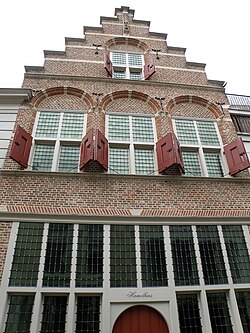
- Hendrick Hamel Museum: Opened in Gorinchem in 2015.
- Street Names: "Hendrick Hamelstraat" exists in both Gorinchem and The Hague.
- Statues: Commemorative statues stand in Gorinchem.
In South Korea
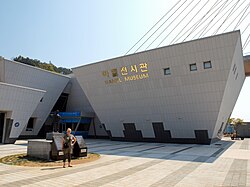
- Museums: Dedicated museums exist in Gangjin and Yeosu.
- Monuments: A 10-meter-tall "Hamel Lighthouse" stands in Yeosu.
- Natural Monuments: A ginkgo tree in Gangjin, believed to be mentioned in his journal, is a designated natural monument.
Beyond physical monuments, Hamel's influence extends to academia and commerce. The Hendrik Hamel Prize is awarded for Korean Studies in Europe, and the Hamel Trade Award recognizes Dutch companies doing business in South Korea.
Frequently Asked Questions
What was Hendrick Hamel's most significant contribution to history?
His most significant contribution was writing the earliest Western first-hand account of Korea, which provided Europe with essential information about the kingdom during its period of isolation.
How long was Hamel held in Korea?
Hamel and his crew were held in the Joseon Kingdom for thirteen years, from their shipwreck in 1653 until their escape in 1666.
Did Hamel ever return to the Netherlands?
It is not precisely known when he returned. While some documents suggest he may have settled in Gorinchem around 1670, he may have traveled back to the Indies before eventually returning to the Netherlands around 1690.
Is Hamel's story used in modern media?
Yes, his life has inspired popular culture, including Jack London's 1915 novel The Star Rover and the South Korean manhwa and television adaptation Tamra, the Island.
Why was the crew not allowed to leave Korea immediately?
The Joseon government followed strict isolationist policies that forbade foreigners from leaving the country once they had arrived.