Grunge: The Sound and Culture of the Seattle Revolution
Emerging from the rainy landscapes of the Pacific Northwest, grunge—originally known as the Seattle Sound—was more than just a musical genre; it was a cultural earthquake. Blending the raw energy of punk rock with the heavy sludge of metal and the spirit of indie rock, grunge dismantled the polished artifice of 1980s pop and hair metal, replacing it with authenticity, angst, and a distorted wall of sound.
At its core, grunge was a reaction against the mainstream. It spoke for Generation X, capturing a sense of social alienation and disillusionment through stripped-down instrumentation and emotionally charged lyrics. From the underground clubs of Seattle and Olympia to the top of the global charts, grunge redefined the trajectory of alternative rock.
Key Facts
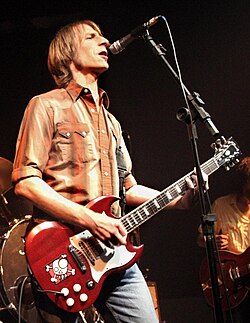
- Origins: Developed in the Pacific Northwest (primarily Seattle and Olympia) as a fusion of punk, heavy metal, and indie rock.
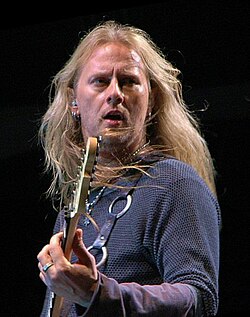
- The "Big Four": Nirvana, Pearl Jam, Soundgarden, and Alice in Chains were the most commercially successful pioneers.
- Sonic Signature: Characterized by heavily distorted electric guitars, dynamic shifts between quiet verses and loud choruses, and expressive, often gravelly vocals.
- Cultural Impact: Influenced 1990s fashion (flannel, oversized clothing) and graphic design (grunge typography).
- Legacy: Paved the way for post-grunge and continues to influence modern alternative and "soft grunge" movements.
The Musical Architecture of Grunge
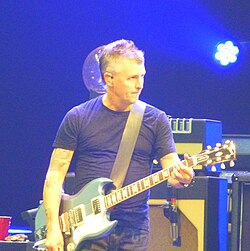
Instrumentation and Sound
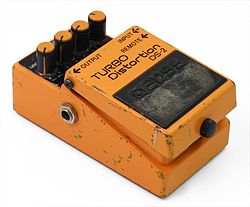
The grunge sound is defined by its reliance on the electric guitar, often played through distortion and overdrive pedals. The Boss DS-2 and DS-1 were pivotal in creating the growling, overdriven tones that became the genre's hallmark.
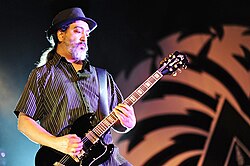
While early grunge drew from heavy metal, it often rejected the technical virtuosity of the era. Many artists downplayed the role of the guitar solo to maintain a punk-inspired aesthetic. For example, Soundgarden's Kim Thayil initially limited his soloing in the 1980s, though he returned to the practice as the genre evolved in the 1990s.
The rhythm section provided a heavy, sludge-like foundation. Bassists often used massive amplifier stacks to create a physical wall of sound, while drummers brought a powerful, aggressive energy to the music.

Vocals and Lyrical Themes
Grunge vocals are noted for their emotional intensity. Whether it was the expressive, guttural style of Pearl Jam's Eddie Vedder or the haunting harmonies of Alice in Chains, the delivery was designed to convey raw pain and sincerity.

Lyrics typically avoided the hedonism of 80s rock, focusing instead on themes of social alienation, apathy, psychological struggle, and angst. This thematic depth resonated deeply with a youth culture feeling disconnected from the prevailing social norms.
History and Evolution
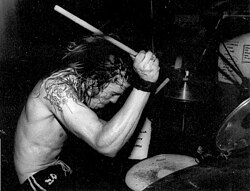
Proto-Grunge and Early Development (1965–1991)
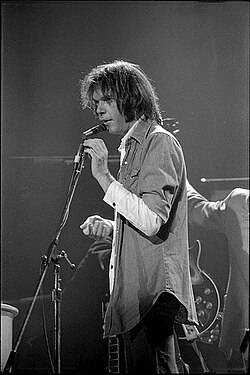
Before the explosion of the 90s, various "proto-grunge" influences laid the groundwork. Neil Young, often called the "Godfather of Grunge," produced albums like Rust Never Sleeps and Ragged Glory that mirrored the genre's distorted, raw approach.
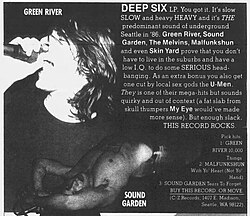
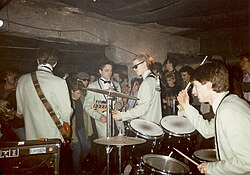
In the mid-1980s, bands like Green River and the U-Men began experimenting with a slowed-down, seventies-influenced version of punk. The 1986 compilation Deep Six served as an early manifesto for this emerging Seattle scene.
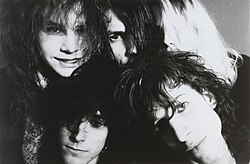
Mainstream Success and Peak (1991–1997)
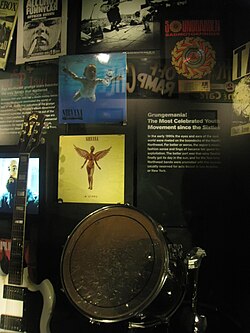
The genre shifted from a regional curiosity to a global phenomenon in 1991. Nirvana's Nevermind acted as the catalyst, propelling the Seattle sound into the mainstream. The band's debut album, Bleach, had already hinted at this trajectory, with its title referencing public health posters urging heroin users to clean needles with bleach to prevent AIDS.

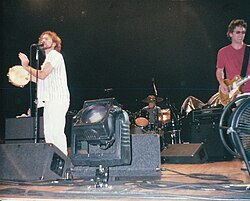
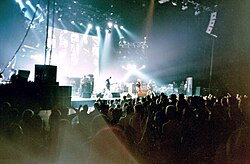
During this peak, other bands like Pearl Jam, Soundgarden, and Alice in Chains achieved massive commercial success, turning Seattle into the epicenter of the music world.
Decline and the Rise of Post-Grunge
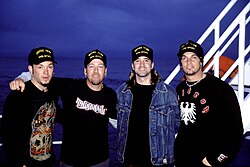
By the mid-to-late 1990s, the original subculture began to fade, partly due to the tragic loss of key figures like Kurt Cobain and the inevitable commercialization of the sound. This led to the emergence of post-grunge—a more polished, radio-friendly version of the sound adopted by bands like Creed and Stone Temple Pilots.
While some British bands like Bush were seen as mimics of the Nirvana sound, others in the UK reacted against grunge entirely, fueling the rise of Britpop bands like Oasis.

Cultural Impact and Aesthetics
Fashion and Style
Grunge fashion was born out of necessity and a rejection of glamour. The "unshaven look" and the use of flannel shirts, thermal underwear, and oversized clothing were ways of resisting the clean-cut images of the era. Courtney Love further influenced 90s style by popularizing the "kinderwhore" aesthetic.

Visual Arts and Literature
The influence of grunge extended to graphic design through "grunge typography," characterized by distressed, fragmented, and non-linear layouts. This aesthetic was mirrored in the proliferation of zines (self-published magazines) and local newspapers that documented the scene's underground growth.
| Era | Key Characteristics | Notable Artists/Influences |
|---|---|---|
| Proto-Grunge | Raw distortion, heavy riffs, indie spirit | Neil Young, Green River |
| Mainstream Peak | Quiet-loud dynamics, angst-driven lyrics | Nirvana, Pearl Jam, Soundgarden |
| Post-Grunge | Polished production, radio-friendly hooks | Creed, Stone Temple Pilots |
| Modern Revivals | Soft grunge, zoomergaze, indie fusion | Courtney Barnett, Title Fight |
Legacy and Revivals

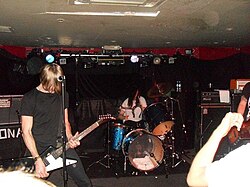
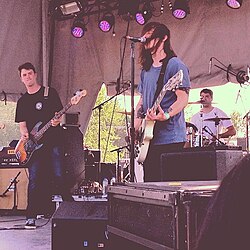
Grunge never truly disappeared; it evolved. In the late 2000s and early 2010s, a UK grunge revival was fronted by bands like Dinosaur Pile-Up. More recently, the genre has seen a resurgence in the form of "soft grunge" and "zoomergaze," blending the original distorted sound with modern indie sensibilities.

Frequently Asked Questions

What is the difference between grunge and post-grunge?
Grunge was an underground movement characterized by raw, unpolished production and a punk ethos. Post-grunge took the sonic elements of grunge—such as distorted guitars and gravelly vocals—and applied them to a more commercial, polished production style suitable for mainstream radio.
Why is Neil Young called the "Godfather of Grunge"?
Neil Young is given this title because his work, particularly on albums like Rust Never Sleeps, utilized heavy distortion and a raw, emotional delivery that predated and heavily influenced the Seattle musicians of the 1980s.
What was the "kinderwhore" style?
Popularized by Courtney Love, the "kinderwhore" style was a subversive fashion trend that combined elements of girlishness (like baby-doll dresses) with messy makeup and a disheveled appearance, contrasting innocence with rebellion.
Which bands are considered the "Big Four" of grunge?
The four most influential and commercially successful bands of the movement were Nirvana, Pearl Jam, Soundgarden, and Alice in Chains.
How did grunge influence graphic design?
Grunge influenced design through "grunge typography," which rejected clean lines in favor of distressed, weathered, and overlapping text, reflecting the chaotic and raw energy of the music.