The Evolution of Rock: From Stylistic Origins to Global Phenomenon
Rock music is more than just a genre; it is a vast, ever-evolving musical landscape that has shaped global culture for decades. From its rhythmic foundations in the mid-20th century to the diverse subgenres of the modern era, rock has constantly reinvented itself through technological shifts and social movements.
To understand rock, one must look at its roots. Emerging primarily in the Southern and Midwestern United States during the 1940s and 1950s, the genre was born from a rich tapestry of musical traditions. It drew heavily from blues, rhythm and blues, country, folk, jazz, and rockabilly (a fusion of country and rockabilly).

The Foundations of Rock and Roll

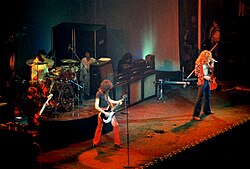
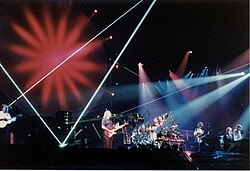
The initial era, known as the birth of rock and roll, established the core musical identity that would define the genre. While styles varied, the instrumentation remained relatively consistent, typically centered around the guitar, bass guitar, drums, keyboards, piano, and vocals.
A defining characteristic of the rock sound is the backbeat—a simple, driving 4-beat drum pattern that provides the rhythmic backbone for most rock compositions. As the music spread globally, it began to branch into specialized styles such as instrumental rock and surf music.


The 1960s: The British Invasion and Sonic Expansion
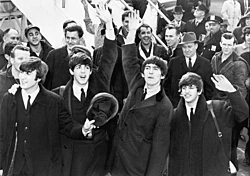
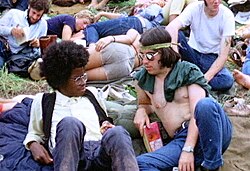
The 1960s marked a massive turning point with the British Invasion, where UK-based artists brought a new energy to the global stage. This decade also saw the sound broaden significantly through the emergence of blues rock, folk rock, garage rock, and the mind-bending textures of psychedelic rock.



The Diversification of the 1970s and 1980s
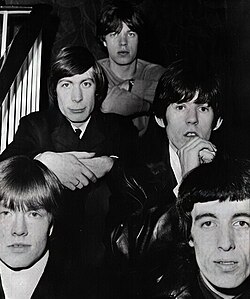
As the decades progressed, rock splintered into numerous specialized directions. The 1970s saw the rise of complex progressive rock and jazz rock, alongside the theatricality of glam rock. Simultaneously, heavier sounds like hard rock and early heavy metal began to dominate, while soft rock and roots rock catered to more mainstream audiences.
The late 1970s and 1980s introduced a period of intense rebellion and experimentation. Punk rock emerged as a high-energy, raw alternative to mainstream trends, leading to the development of post-punk and new wave. This era also witnessed the rise of heartland rock and Christian rock, proving that the genre could accommodate a wide range of lyrical themes and social perspectives.




The Alternative Explosion and Modern Era

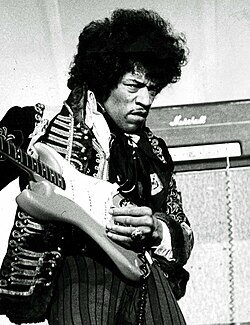
The 1990s and early 2000s were defined by the mainstream success of alternative rock. This period saw the massive impact of grunge (centered in the Seattle scene), Britpop, and indie rock. As digital technology advanced, new fusion genres emerged, including nu metal, rap rock, and electronic rock.
In the 2010s and beyond, the rock landscape has shifted toward revival scenes. While some critics discuss commercial stagnation, there has been a significant resurgence in psychedelic, progressive, and classic rock influences. Today, rock continues to exist through a global network of regional scenes, from the "Madchester" sound to the vibrant music cultures of Australia, Brazil, and beyond.





Key Facts

- Origins: Emerged in the 1940s–1950s in the Southern and Midwestern United States.
- Core Influences: Blues, country, jazz, folk, and rhythm and blues.
- Standard Instrumentation: Guitar, bass, drums, keyboards, and vocals.
- Defining Rhythm: The backbeat, a common 4-beat drum pattern.
- Major Eras: Rock and roll (50s), British Invasion (60s), Diversification (70s/80s), and Alternative mainstream (90s/00s).
Summary of Rock Evolution

| Era | Primary Movements | Key Characteristics |
|---|---|---|
| 1940s–1950s | Rock and Roll, Rockabilly | Fusion of blues, country, and R&B |
| 1960s | British Invasion, Psychedelic, Garage Rock | Global expansion and experimental sounds |
| 1970s–1980s | Prog Rock, Punk, Glam, Heavy Metal | Extreme diversification and subgenre splintering |
| 1990s–2000s | Grunge, Britpop, Indie, Nu Metal | Alternative rock becomes mainstream |
| 2010s–Present | Revival scenes, Digital Rock | Classic rock and psychedelic revivals |
Frequently Asked Questions












What are the main musical roots of rock?
Rock music is primarily derived from blues, rhythm and blues, country, folk, jazz, and rockabilly.
What instruments are typically used in a rock band?
Most rock music relies on a core set of instruments: guitar, bass guitar, drums, keyboards (or piano), and vocals.
What was the "British Invasion"?
The British Invasion refers to the period in the 1960s when British rock and roll artists gained massive popularity and influence in the global music market.
What is the difference between a subgenre and a fusion genre in rock?
Subgenres are specific branches of rock, such as hard rock or punk rock. Fusion genres occur when rock blends with another distinct musical style, such as jazz rock or folk rock.
How has rock music changed with technology?
The relationship with electronics has led to the emergence of new styles like electronic rock and digital electronic rock, allowing for new ways to manipulate sound.