Alternative Rock: The Evolution of an Underground Revolution
Alternative rock, often referred to as alt-rock or simply alternative, is a broad category of rock music that emerged from the independent music underground of the 1970s. Originally defined by its distinction from mainstream commercial pop and rock, the genre was built on a DIY (do-it-yourself) ethos inspired by the punk rock movement of the late 1970s.
While it began in the fringes, alternative rock exploded into the global mainstream during the 1990s. This surge was driven by the rise of Generation X as a cultural force and a growing industry fatigue with the corporate rock and glam metal that dominated the 1980s. From the rainy streets of Seattle to the clubs of Manchester, alternative rock redefined the sonic landscape of the late 20th century.
Key Facts
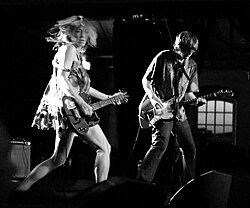
- Origins: Evolved from 1970s independent underground music, punk, and post-punk.
- Mainstream Peak: Achieved massive commercial success in the 1990s via grunge and Britpop.
- Defining Ethos: Originally centered on a non-commercial, independent approach to music production and distribution.
- Industry Shift: Billboard officially introduced "alternative" to its charting system in September 1988.
- Key Regions: Major hubs included Seattle, Washington; Athens, Georgia; New York City; and Manchester, UK.
The Foundations: Precursors and Early Origins
The 1960s and 70s Roots
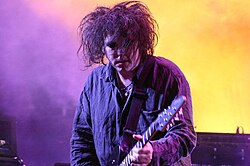
The seeds of alternative rock were sown in the 1960s with proto-punk. The Velvet Underground's 1967 album, The Velvet Underground & Nico, served as a primary influence for countless future alternative acts. Additionally, the eccentric styles of figures like Syd Barrett helped pave the way for the genre's penchant for the quirky and unconventional.
The 1980s Underground
Throughout the 1980s, the genre grew through a network of zines, word-of-mouth, and college radio—non-commercial stations that played underground artists. In the United States, bands like R.E.M., the Dream Syndicate, and the Violent Femmes blended punk influences with folk and mainstream elements. R.E.M. became a pivotal figure with their 1983 debut Murmur, sparking a trend in jangle pop (a style characterized by ringing, clean electric guitar sounds).
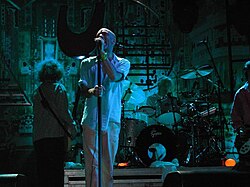
In the United Kingdom, Manchester's The Smiths became the definitive alternative act of the era. Along with R.E.M., they were viewed as bands that existed in opposition to the polished sounds of the 1980s. The British scene was further shaped by the 1986 C86 cassette, which helped catalyze the development of indie pop.
The 1990s: Mainstream Explosion
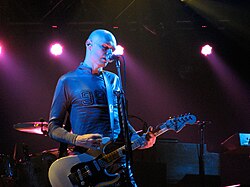
The 1990s marked the transition of alternative rock from the underground to the center of popular culture. This era was defined by several powerful subgenres:
- Grunge: Emerging from Seattle, this raw, distorted sound brought alternative music to the masses.
- Britpop and Shoegaze: In the UK and Ireland, these styles offered a different alternative to the American grunge sound.
- Indie Rock: A continuation of the independent spirit, focusing on non-corporate production.
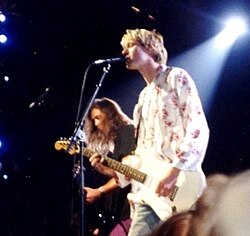
The era also saw the rise of specialized events and movements, such as the Lollapalooza festival and Lilith Fair, as well as the third-wave ska revival. By the mid-90s, the "alternative" label had become a powerful marketing tool for record labels seeking a fresh sound to replace the aging glam metal of the previous decade.

Diversification and the Modern Era
The 2000s and the Post-Punk Revival
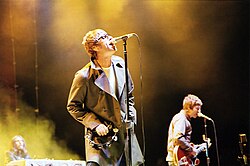
As the 2000s began, the genre diversified further. Post-grunge acts emerged as a more commercialized evolution of the Seattle sound, while the post-punk revival saw bands like The Strokes, Interpol, and Franz Ferdinand drawing inspiration from the new wave and post-punk of the late 70s.
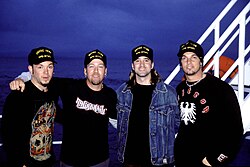
Simultaneously, emo (emotional hardcore) gained significant popularity, blending melodic rock with introspective, emotional lyrics.
2010 to Present
In the 2010s, the boundaries of alternative rock continued to blur. The emergence of alternative pop and alternative R&B integrated electronic elements and soulful vocals into the rock framework. Modern acts like Twenty One Pilots have achieved unprecedented digital success, blending multiple genres to reach a global audience.

Alternative Rock Summary
| Era | Primary Focus/Subgenres | Key Characteristics | Notable Influence/Acts |
|---|---|---|---|
| 1960s-70s | Proto-punk, Independent | Experimental, DIY ethos | The Velvet Underground |
| 1980s | College rock, Jangle pop | Underground, non-commercial | R.E.M., The Smiths |
| 1990s | Grunge, Britpop, Shoegaze | Distorted guitars, Gen X culture | Nirvana, Oasis |
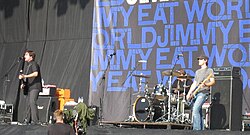
| 2000s | Post-punk revival, Emo | New wave influence, emotional lyrics | The Strokes, Jimmy Eat World |
| 2010s-Present | Alt-pop, Alt-R&B | Genre-blending, digital distribution | Twenty One Pilots, Muse |
Frequently Asked Questions

What does "alternative" actually mean in this context?
Originally, "alternative" referred to music that was a distinct alternative to the mainstream, commercial pop and rock of the time. It was characterized by an independent, DIY ethos and a rejection of corporate music industry standards.
How did college radio help the genre grow?
College radio stations provided a platform for non-commercial and underground artists who were ignored by major radio stations. This allowed diverse styles like noise pop and indie rock to build a grassroots fanbase before reaching the mainstream.
What is the difference between indie rock and alternative rock?
While often used interchangeably, alternative rock is a broad umbrella category. Indie rock specifically refers to music that originated from independent labels or maintained an independent production spirit, though the distinction blurred as indie bands achieved mainstream success.
Which cities were most important to the development of alt-rock?
Key hubs included Seattle, Washington (the heart of grunge); Athens, Georgia (home to R.E.M.); Manchester, UK (central to the British indie and Britpop scenes); and New York City.
What is post-grunge?
Post-grunge is a derivative form of grunge that emerged in the late 1990s. It typically retains the distorted guitar sounds of grunge but incorporates more polished production and commercial song structures.