British Rock: The Evolution of a Global Musical Powerhouse
British rock is a vast and diverse tapestry of musical styles originating in the United Kingdom. While it began as an attempt to emulate American sounds, it quickly evolved into a dominant cultural force. Since the mid-1960s, British rock has not only shaped the musical landscape of the UK but has fundamentally altered the trajectory of American music and global rock culture.
Unlike pop music, which often focuses on singles, rock has traditionally been oriented toward the album market. This shift placed a premium on artistic innovation, technical virtuosity, and the songwriting capabilities of the performers themselves.
Key Facts
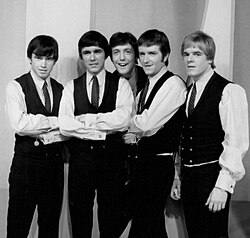
- Global Impact: The "British Invasion" of 1964, led by the Beatles, marked the beginning of UK rock's massive influence on the US.
- Genre Diversity: British rock encompasses a wide array of subgenres, including beat, progressive, hard rock, heavy metal, punk, and indie.
- Cultural Movements: From the "Swinging London" era to "Cool Britannia," rock has been central to British identity.
- Modern Evolution: The scene continues to evolve, most recently through the "Windmill scene" in Brixton.
The Foundations: Early Rock and the British Invasion
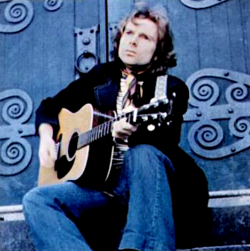
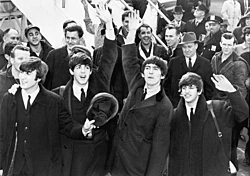
In the mid-1950s, British musicians began emulating American rock and roll. By the early 1960s, this evolved into beat music and the British blues boom. The turning point arrived in 1964 with the arrival of the Beatles in the United States, an event that sparked the "British Invasion."
During the "Swinging London" period of the mid-to-late 1960s, a harder-driving style known as freakbeat emerged. Coined by journalist Phil Smee, freakbeat bridged the gap between R&B, pop, and psychedelia. Bands like the Creation and the Pretty Things defined this hard-edged, often obscure sound.
Diversification in the 1970s
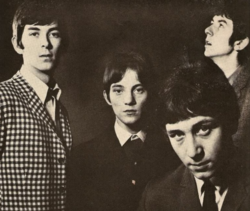
British Folk Rock
Emerging in the mid-to-late 1960s, British folk rock blended American folk influences with the second British folk revival. Bands such as Fairport Convention and Pentangle utilized traditional English music and the Child Ballads (medieval to 19th-century ballads of the British Isles). This movement eventually expanded into Celtic rock across Ireland, Scotland, and Wales.
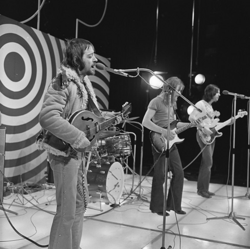
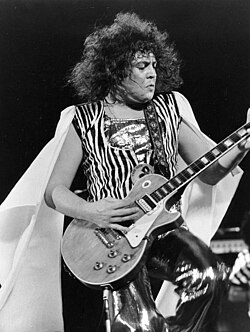
The Rise of Heavy Metal and Glam
The 1970s saw the birth of hard rock and heavy metal, leading to the New Wave of British Heavy Metal (NWOBHM). Later, "retro-metal" acts like The Darkness blended glam rock with heavy riffs, while bands like Bullet for My Valentine integrated metalcore—a fusion of metal and hardcore punk.
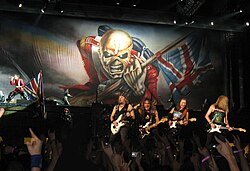
Pub Rock: A Back-to-Basics Reaction
As a reaction against the theatricality of glam rock, the pub rock movement peaked in the mid-1970s. Centered in North London pubs, this movement emphasized a raw, stripped-back sound. Influential groups like Brinsley Schwarz and Dr. Feelgood paved the way for the punk explosion.
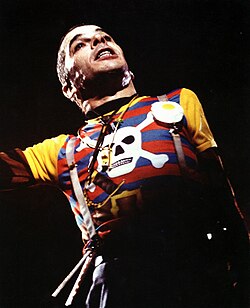
Punk, New Wave, and the 1980s

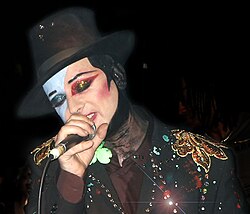
The late 1970s brought the aggressive energy of punk rock, followed by the more polished new wave and the experimental nature of post-punk. A notable hybrid was 2 Tone, which fused traditional Jamaican ska and reggae with punk and new wave to address racial tensions in Thatcher-era Britain.
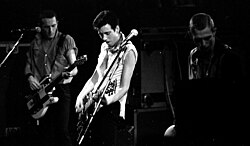
Another working-class response was Oi!, a subgenre of punk designed to unite punks and skinheads. It was a reaction against the perceived "artistic" or university-led nature of early punk, characterized by a raw, street-level sound.

The Indie and Alternative Scene
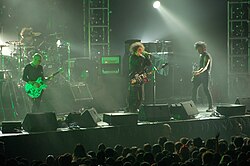
In the 1980s, indie rock (independent rock) emerged as artists eschewed major labels for creative control. This era saw the rise of The Smiths and the development of shoegazing—a style influenced by the wall-of-noise approach of The Jesus and Mary Chain and the dream pop of Cocteau Twins.
Britpop and the Modern Era
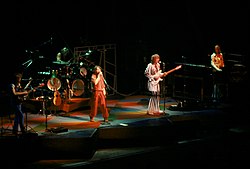
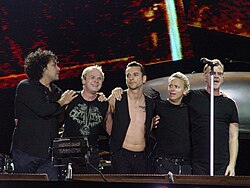
The early 1990s witnessed the rise of Britpop, a reaction against American grunge. Bands like Blur and Oasis focused on British guitar pop and uniquely UK themes, fueling the "Cool Britannia" cultural movement.
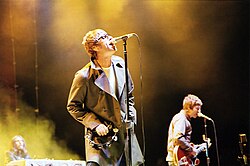
As Britpop dissolved around 1997, post-Britpop acts like Radiohead and Coldplay achieved even greater international success by blending traditional British rock with global influences.

The Windmill Scene
In the late 2010s and early 2020s, a new wave of post-punk emerged from The Windmill venue in Brixton. Known as the Windmill scene (or "Speedy Scene"), these bands—including Black Midi and Black Country, New Road—are characterized by a "talk-singing" style over post-rock and post-punk instrumentation.

Summary of British Rock Eras
| Era | Key Subgenres | Defining Characteristics | Notable Examples |
|---|---|---|---|
| 1960s | Beat, Freakbeat, Psychedelia | British Invasion, R&B influence | The Beatles, The Creation |
| 1970s | Prog, Glam, Folk Rock, Pub Rock | Virtuosity, Traditional ballads, Back-to-basics | Fairport Convention, David Bowie |
| Late 70s/80s | Punk, 2 Tone, New Wave, Indie | DIY ethics, Ska fusion, Independent labels | The Clash, The Specials, The Smiths |
| 1990s | Britpop, Britrock | Reaction to Grunge, UK-centric themes | Oasis, Blur, Suede |
| 2010s-Present | Post-Britpop, Windmill Scene | Eclectic styles, Talk-singing, Post-punk | Radiohead, Black Midi |
Frequently Asked Questions
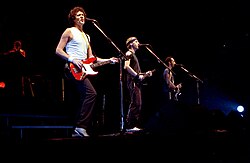
![Post-punk pioneers Siouxsie and the Banshees, from left to right, Steven Severin, Siouxsie Sioux and Budgie.[61]](/images/a4/5e/a45e3b35ed9e1bd2496309a9d250372a13f7b931945add4a249c6d43b0743b8c.jpg)




What was the British Invasion?
The British Invasion refers to the period starting around 1964 when British rock bands, led by the Beatles, achieved massive popularity in the United States, significantly influencing American music.
What is 2 Tone music?
2 Tone is a genre from the late 1970s and early 1980s that combined Jamaican ska, rocksteady, and reggae with punk and new wave. It was intentionally multiracial to help defuse racial tensions in the UK.
How does Britpop differ from Post-Britpop?
Britpop was a 1990s movement focused on British guitar pop and national identity as a reaction to US grunge. Post-Britpop bands emerged after 1997, moving away from the "Cool Britannia" label and incorporating more diverse international influences.
What is the Windmill scene?
The Windmill scene is a contemporary wave of post-punk and post-rock bands centered around The Windmill venue in Brixton, often featuring a distinct "talk-singing" vocal style.
What was the purpose of the Oi! movement?
Oi! was a subgenre of punk that aimed to bring together working-class youth, including punks and skinheads, reacting against the more artistic or academic direction of the early punk scene.