Greek Orthodox Patriarchate of Antioch and All the East
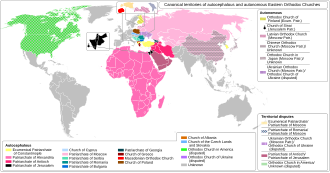
The Greek Orthodox Patriarchate of Antioch and All the East is one of the most ancient institutions of the Christian faith, tracing its origins back to the 1st century in the city of Antioch within the Roman Empire. Founded by the Apostles Peter and Paul, this autocephalous (self-governing) church serves as a spiritual pillar for millions of Eastern Orthodox Christians across Western Asia and the global diaspora.
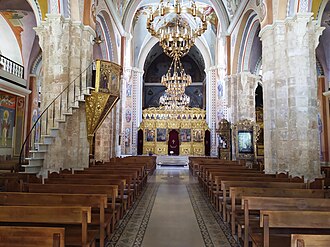
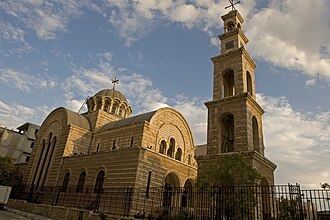
Today, the Patriarchate is led by His Beatitude John X (Yazigi), who has served as the Patriarch of Antioch and All the East since December 17, 2012. Headquartered at the Mariamite Cathedral in Damascus, Syria, since 1342, the church maintains a rich theological tradition rooted in the Septuagint and the New Testament.
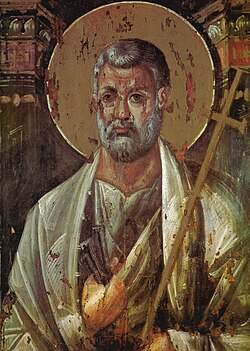
Key Facts
- Founders: Apostles Peter and Paul.
- Origin: 1st century Antioch, Roman Empire.
- Independence: Achieved autocephaly in A.D. 325.
- Membership: Approximately 4,320,000 members.
- Liturgy: Predominantly the Byzantine Rite, with some use of the Western Rite.
- Current Primate: Patriarch John X (Yazigi).
Historical Evolution
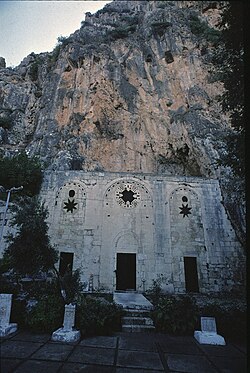
Early Foundations and Independence
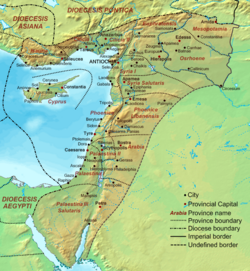
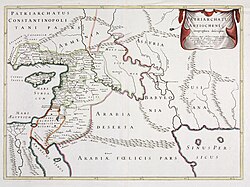
The church branched from the original Church of Antioch, establishing its independence in A.D. 325. For centuries, it operated as a central hub of early Christian theology and administration. The region it historically covered, known as the Diocese of the East, encompassed modern-day Syria, Lebanon, Turkey, Israel, Palestine, and Jordan.
Identity and the "Melkite" Designation
The identity of the Antiochian church is characterized by a dual self-designation. Members are often referred to as Melkites (derived from the Syriac word for "king," referring to the Byzantine Emperor) or "Eastern Romans." This identity reflects a historical synthesis of Greek theological influence and the local Arab-Syrian culture, embodying the biblical sentiment that "there is neither Jew nor Greek."
The Arab Orthodox Movement
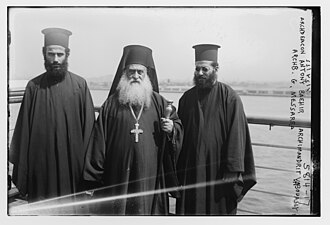
A significant shift in leadership occurred in 1898 when, with the diplomatic support of Russia and the Imperial Orthodox Palestine Society, Meletius (Dumani) was elected as the first Arab-Syrian patriarch in the modern era. Since his enthronement in April 1899, the Patriarch of Antioch has consistently been elected from among Orthodox Arabs.
Modern History and Global Diaspora
Expansion to North America
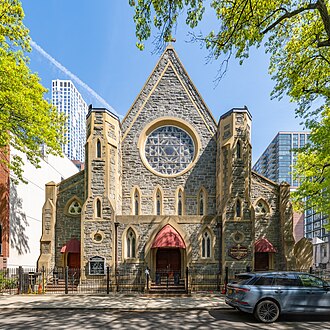
During the 20th century, significant emigration of Arab Christians led to the establishment of parishes in North America. Initially under the jurisdiction of the Russian Orthodox Church, these communities faced instability following the Russian Revolution of 1917. This led to a period of ecclesiastical division between those aligned with the Russian North American Metropolia and those under the direct jurisdiction of the Antiochian Patriarchate.
Reunification in the Americas
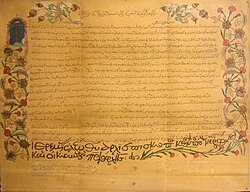
The schism in North America was resolved on June 24, 1975, when Metropolitan Philip (Saliba) of New York and Metropolitan Michael (Shaheen) of Toledo signed the "Articles of Reunification." This document restored administrative unity among Antiochian Orthodox Christians in the USA and Canada, a move formally approved by the Synod of the Antiochian Patriarchate on August 19, 1975.
Demographics and Current Challenges
The church remains a vital part of the Middle Eastern social fabric. Before the Syrian Civil War began in 2011, Syria's Christian population was estimated at 2.1 million (10% of the population), with over 1.1 million belonging to the Greek Orthodox Church of Antioch. However, the conflict has caused a significant decline in local numbers as many believers emigrated to Europe, the Americas, and other Middle Eastern nations.
Administrative Structure
The Patriarchate is organized into an episcopal polity, consisting of the Patriarch, metropolitans, and bishops overseeing various archdioceses and dioceses globally.
| Region | Key Jurisdictions | Notable Centers |
|---|---|---|
| Western Asia | Antioch, Damascus, Beirut, Aleppo, Baghdad | Mariamite Cathedral (Damascus) |
| The Americas | New York, Los Angeles, Miami, Buenos Aires, São Paulo | Metropolitical Diocese of New York |
| Europe | British Isles, France, Germany | Central and Southern Europe |
| Asia & Oceania | Australia, New Zealand, Philippines | Oceania Archdiocese |
Frequently Asked Questions
Who founded the Greek Orthodox Church of Antioch?
The church was founded in the 1st century by the Apostles Peter and Paul in the city of Antioch.
What does the term "Melkite" mean?
The term "Melkite" comes from the Syriac word for "king," historically referring to those who remained loyal to the Byzantine Emperor and the Orthodox faith during early ecclesiastical divisions.
How is the Patriarch of Antioch chosen?
Since the election of Patriarch Meletius in 1898, the Patriarch of Antioch has been elected from among Orthodox Arabs.
What is the current status of the church in Syria?
While it remains a major Christian presence, the population has declined significantly since 2011 due to the Syrian Civil War, leading to increased emigration to the West.
Which liturgical rite does the church follow?
The predominant liturgy used is the Byzantine Rite, although the church also recognizes the Western Rite.