Patriarch of Antioch: A History of Apostolic Succession and Schism
The office of the Patriarch of Antioch represents one of the oldest and most complex lineages in Christian history. Founded on the tradition of the Apostle Saint Peter, the see of Antioch served as a primary center of early Christianity, overseeing a vast region that spanned modern-day Syria, Iraq, Iran, Jordan, Israel, Palestine, Lebanon, and eastern Turkey. Over two millennia, this single apostolic seat fractured into multiple denominations due to theological disputes, political upheavals, and the shifting tides of imperial power.
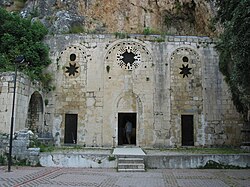
In the earliest days of the faith, the community in Antioch was the first to be called "Christian." Tradition holds that Saint Peter established the church here and served as its first bishop before traveling to Rome. By the 4th century, the bishop of Antioch had become the most senior ecclesiastical authority in the East, with the city's synods meeting at a basilica dedicated to Julian the Martyr.
Key Facts
- Founder: Traditionally established by Saint Peter around 34 AD.
- Primary Rites: The see utilizes both the Byzantine Rite and the West Syriac Rite.
- Major Splits: Key divisions occurred after the Council of Chalcedon (451 AD), the Great Schism (1054 AD), and various 18th-century disputes.
- Current Claimants: Five distinct churches currently maintain a succession of the Patriarch of Antioch.
- Latin Patriarchate: A Catholic Latin see existed from 1098 until its abolition in 1964.
The Chalcedonian Split and Early Schisms
The first major fracture occurred following the Council of Chalcedon in 451 AD. The council's definitions of the nature of Christ led to a deep divide between those who accepted the council (Chalcedonians) and those who rejected it (non-Chalcedonians). This tension peaked in 512 AD when the non-Chalcedonians replaced Patriarch Flavian II with Severus.
This split created two rival lines of succession. The non-Chalcedonians eventually formed the Syriac Orthodox Church (part of the Oriental Orthodox family). Meanwhile, the Chalcedonians, supported by the Byzantine Empire, became known as the "Byzantines'" or Rūm Church of Antioch, eventually adopting the Byzantine rite as they grew more dependent on Constantinople.
The Maronite Emergence
In the 7th century, followers of the hermit Saint Maron sought a middle ground. While they generally accepted the terms of Chalcedon, they adhered to Monothelitism (the belief that Christ had two natures but only one will) due to isolation from the wider church. In 685 AD, they appointed their own patriarch, John Maron, establishing the Maronite Church.
The Great Schism and the Crusades
The 11th century brought the Great Schism of 1054, which formally divided the Christian world into the Catholic West (led by the Pope) and the Eastern Orthodox East (led by the collegial authority of the patriarchs). While the split was initially viewed as a clerical dispute, it solidified the divide between Rome and the Greek East.
The First Crusade introduced a new layer of complexity. After the conquest of Antioch in 1098, the crusaders established the Latin Patriarchate of Antioch. This Western-led see remained influential until the Mamluks conquered the city in 1268. Following the fall of the city, the Latin patriarchate became purely titular—meaning the holder had the title but no actual jurisdiction—until the office was abolished in 1964.
Later Divisions and the Catholic Unions
The 18th century saw further fragmentation as factions within the existing Orthodox churches sought communion with the Roman Catholic Church.
The Melkite Split (1724)
When Cyril VI was elected Greek patriarch in 1724, his pro-Roman leanings were rejected by the Patriarch of Constantinople. This led to a split between the Greek Orthodox Church of Antioch and the Melkite Greek Catholic Church, the latter of which entered full communion with Rome in 1729.
The Syriac Catholic Schism (1783)
Similarly, within the Syriac Orthodox community, a pro-Roman faction emerged. In 1783, the election of Ignatius Michael III Jarweh established the Syriac Catholic Church, creating a permanent divide from the Syriac Orthodox Church.
Summary of the Patriarchal Successions
The following table summarizes the current churches that claim the succession of the Patriarch of Antioch and their historical turning points.
| Church | Denomination | Key Succession Point | Rite Used |
|---|---|---|---|
| Greek Orthodox | Eastern Orthodox | Recognizes Paul the Jew (519 AD) | Byzantine |
| Syriac Orthodox | Oriental Orthodox | Recognizes Severus (512 AD) | West Syriac |
| Maronite | Eastern Catholic | Recognizes John Maron (685 AD) | West Syriac |
| Melkite Greek Catholic | Eastern Catholic | Recognizes Cyril VI (1724 AD) | Byzantine |
| Syriac Catholic | Eastern Catholic | Recognizes Michael Jarweh (1783 AD) | West Syriac |
Frequently Asked Questions
Who was the first Patriarch of Antioch?
According to church tradition, the Apostle Saint Peter founded the church in Antioch and served as its first bishop before moving to Rome.
Why are there so many different Patriarchs of Antioch today?
The multiple patriarchates are the result of centuries of theological disputes (such as the Council of Chalcedon), the Great Schism between East and West, and later movements where certain factions chose to enter into communion with the Roman Catholic Church.
What happened to the Latin Patriarchate of Antioch?
Established during the First Crusade, the Latin Patriarchate lost its physical seat when the Mamluks conquered Antioch in 1268. It remained a titular office in Rome until it was finally abolished in 1964.
What is the difference between the Melkite and Greek Orthodox churches of Antioch?
Both share the Byzantine rite and a common history, but the Melkite Greek Catholic Church is in full communion with the Pope in Rome, while the Greek Orthodox Church of Antioch remains part of the Eastern Orthodox communion.
What is the significance of the Council of Chalcedon in this history?
The Council of Chalcedon (451 AD) caused the first major permanent split in the see, dividing the church into Chalcedonian (Byzantine) and non-Chalcedonian (Syriac Orthodox) factions based on their views of Christ's nature.