John II Komnenos: The Pious Restorer of the Byzantine Empire
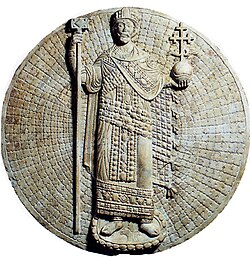
Known to history as "John the Beautiful" or "John the Good" (Greek: Kaloïōánnēs), John II Komnenos ruled the Byzantine Empire from 1118 to 1143. As the eldest son of Emperor Alexios I Komnenos and Irene Doukaina, John was a porphyrogennetos—a child born in the purple—granting him an innate legitimacy and high status from birth. His reign was defined by a steadfast commitment to piety and a strategic determination to reverse the territorial losses suffered by the empire following the disastrous Battle of Manzikert half a century earlier.
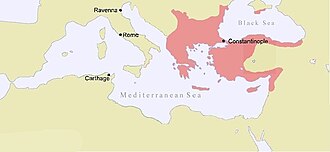
John II was the second emperor of the Komnenian restoration, a period characterized by the revitalization of Byzantine military and administrative power. Through a combination of patient diplomacy and aggressive campaigning, he sought to stabilize the empire's frontiers and assert Byzantine suzerainty over neighboring powers.
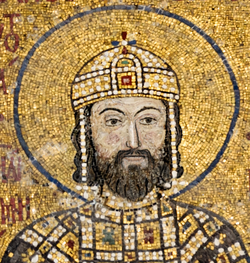
Key Facts
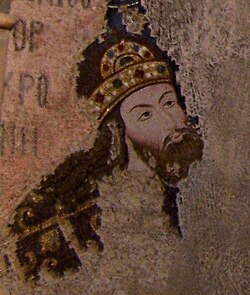
- Reign: 15 August 1118 – 8 April 1143.
- Dynasty: Komnenian.
- Key Victory: The Battle of Beroia (1122), which effectively ended the Pechenegs as an independent people.
- Strategic Goal: Recovery of Anatolian territories lost to the Seljuq Turks.
- Spouse: Irene of Hungary (born Princess Piroska), later venerated as Saint Irene.
- Successor: His son, Manuel I Komnenos.
Early Life and Ascent to Power
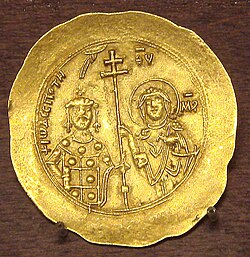
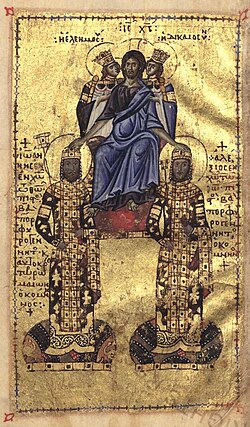
Born on 13 September 1087 in Constantinople, John was groomed for leadership from a young age. He was crowned co-emperor in 1092, a move signaled to the public through special coinage depicting him being crowned by Christ. This early elevation ensured a smooth transition of power and established him as the heir apparent.
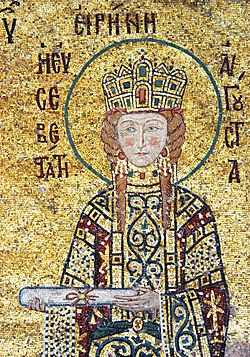
In 1104 or early 1105, John entered a strategic marriage with Princess Piroska of Hungary, who took the Greek name Irene. This union was a calculated political move to strengthen Byzantine influence in the Balkans and the Adriatic. The couple had eight children, including the future Emperor Manuel I.
Military Campaigns and Territorial Recovery
The Destruction of the Pechenegs
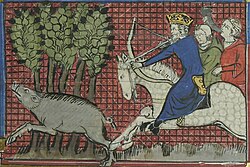
One of John's most decisive early victories occurred in 1122. Facing a Pecheneg invasion across the Danube frontier, John utilized a combination of deception and brute force. At the Battle of Beroia, John led the Varangian Guard—an elite unit largely composed of Englishmen—to smash through the Pecheneg wagon laager using their signature axes. Despite being wounded in the leg by an arrow, John secured a crushing victory that effectively eliminated the Pechenegs as a sovereign threat.
The War of Attrition in Anatolia
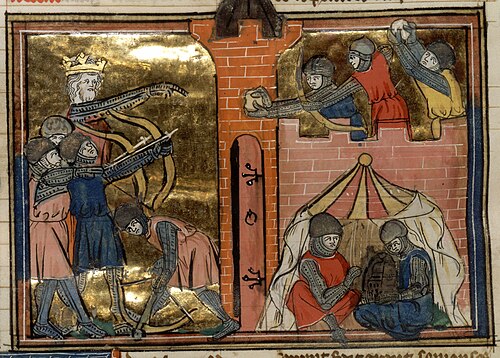
John spent much of his reign fighting a war of attrition against the Seljuq Turks and the Danishmendid emirate. He focused on reopening vital land routes, such as the path to Attaleia, and recapturing ancestral Komnenian lands like Kastamonu. He earned a reputation as a "wall-breaker" for his ability to systematically take enemy strongholds, though the difficulty of holding these regions meant some cities changed hands multiple times.
Campaigns in Cilicia and Syria
Seeking to assert Byzantine authority over the Crusader States, John campaigned in the Levant between 1137 and 1138. He conquered Tarsus, Adana, and Mopsuestia, and forced the Prince of Antioch and the Count of Edessa to recognize him as their vassal. While a siege of Aleppo proved unsuccessful, his forces captured several key fortresses, including Maarat al-Numan and Kafartab.
Diplomacy and Internal Conflict
Relations with the West
John's foreign policy in the West focused on an alliance with the Holy Roman Empire to counter the threat of the Normans in southern Italy. He provided financial subsidies to Emperor Lothair III for invasions of Norman territory. Later, he secured a marriage alliance with Conrad III by marrying his son Manuel to Bertha of Sulzbach.
The Venetian Conflict
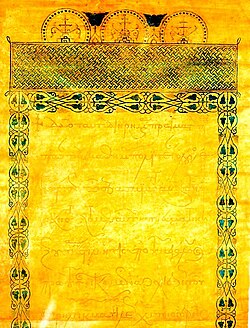
Between 1124 and 1126, John clashed with the Republic of Venice after refusing to confirm the generous trading privileges granted by his father. The dispute escalated into a naval conflict where Venetian ships plundered several Byzantine islands. Ultimately, John re-confirmed the treaty of 1082, preferring to allocate imperial funds to his land armies rather than rebuilding the navy.
Legacy and Death
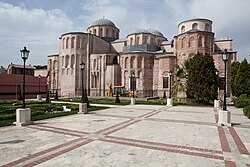
John II died on 8 April 1143 in Cilicia at the age of 55. He was buried in the Monastery of Christ Pantocrator in Constantinople, a testament to his piety and architectural patronage.
| Category | Details |
|---|---|
| Full Name | John Komnenos (Iōánnēs Komnēnós) |
| Reign Period | 1118–1143 |
| Primary Adversaries | Seljuq Turks, Pechenegs, Republic of Venice, Normans |
| Major Achievement | Stabilization of Anatolia and destruction of the Pecheneg threat |
| Family | Son of Alexios I; Husband of Irene of Hungary |
Frequently Asked Questions
Why was John II called "the Beautiful"?
He was known as Kaloïōánnēs (John the Beautiful or John the Good), a nickname reflecting both his physical appearance and his perceived character as a pious and dedicated monarch.
What was the significance of the Battle of Beroia?
The Battle of Beroia in 1122 was a turning point that effectively ended the Pechenegs as an independent people, allowing the empire to secure its Danube frontier.
How did John II handle the Crusader States?
John II asserted Byzantine suzerainty over the Crusader States, forcing the leaders of Antioch and Edessa to acknowledge him as their overlord and vassal.
What was the result of the conflict with Venice?
Despite initial attempts to limit Venetian trading privileges, the naval superiority of Venice forced John II to re-confirm the treaty of 1082 to avoid further economic and territorial losses.
Who succeeded John II as emperor?
He was succeeded by his youngest son, Manuel I Komnenos, who continued the work of the Komnenian restoration.