Fixed-Wing Aircraft: From Ancient Kites to Modern Stealth Bombers
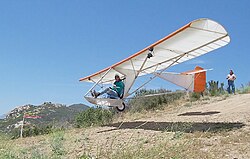
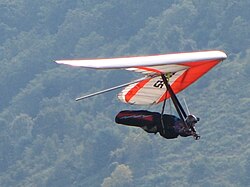
A fixed-wing aircraft is a heavier-than-air machine that achieves flight through the generation of aerodynamic lift. Unlike rotary-wing aircraft, which use spinning rotors, or ornithopters, which rely on oscillating wings, fixed-wing craft utilize stationary wings to navigate the skies. While we often think of wings as rigid structures, the category actually encompasses a diverse range of designs, including flexible kites, hang gliders, and advanced aircraft capable of wing morphing.
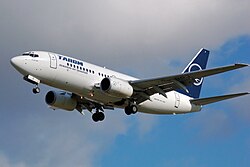
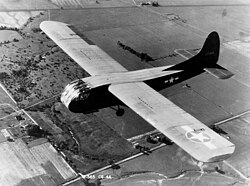
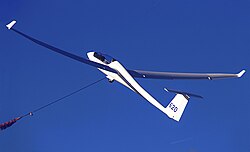
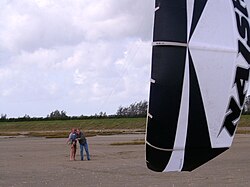
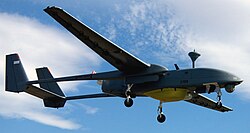
These aircraft can be categorized by their power source. Gliding aircraft, such as sailplanes and tethered kites, rely on moving air currents to gain altitude. In contrast, powered aircraft utilize engines to generate forward thrust. These machines can be operated by a human pilot, controlled remotely, or function as entirely autonomous systems.
Key Facts
- Lift Generation: Fixed-wing aircraft rely on aerodynamic lift rather than rotating blades.
- Ancient Origins: Kites have been used for communication and scientific purposes for approximately 2,800 years.
- First Powered Flight: The Wright brothers are recognized for the first sustained and controlled heavier-than-air powered flight in 1903.
- Supersonic Milestone: The Bell X-1 was the first aircraft to exceed the speed of sound in 1947.
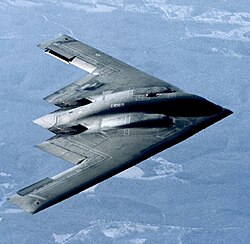
- Stealth Evolution: Modern flying wing designs, like the B-2 Spirit, utilize specific shapes to reduce radar cross-sections.
The Evolution of Flight
Ancient Beginnings and the Era of Kites
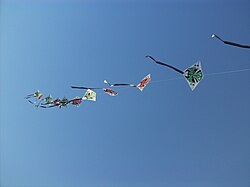
The history of fixed-wing flight begins long before the engine. Kites were utilized in China roughly 2,800 years ago, with evidence suggesting even earlier use in Sulawesi. By 549 AD, paper kites were being used for critical rescue missions. Throughout ancient and medieval history, kites served various roles, including military signaling, measuring distances, and testing wind conditions.
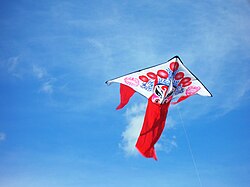
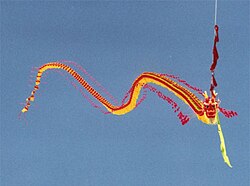
Kite technology eventually migrated to Europe via Marco Polo and later reached the West through sailors from Japan and Malaysia. By the 18th and 19th centuries, these once-curious objects became essential tools for scientific research.

The Pioneers of Gliding and Early Propulsion
The quest for controlled flight saw many early attempts. In 400 BC, the Greek Archytas reportedly built a steam-propelled bird-shaped device. Centuries later, innovators like Eilmer of Malmesbury and Abbas Ibn Firnas attempted to master the skies through gliding.
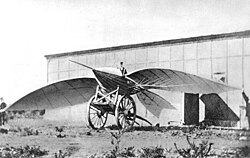
The foundation of modern aviation was laid in 1799 by Sir George Cayley, who defined the essential systems of lift, propulsion, and control. Cayley’s work led to the development of successful gliders, paving the way for Jean-Marie Le Bris, who performed the first powered flight in 1856 by towing his glider, L'Albatros artificiel, along a beach.
The Dawn of Powered Flight
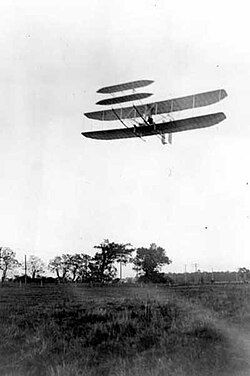
The early 20th century marked a turning point. While Sir Hiram Maxim experimented with massive steam-powered machines, the Wright brothers achieved the milestone recognized by the Fédération Aéronautique Internationale (FAI): the first sustained and controlled heavier-than-air powered flight with the Flyer I in 1903. By 1905, the Wright Flyer III demonstrated much higher levels of stability and control.
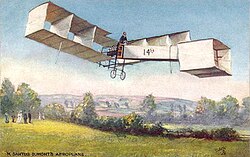
Other pioneers quickly followed. Alberto Santos-Dumont set early world records with his 14-bis, and Louis Blériot developed the monoplane tractor configuration, a design that became a precursor to modern aircraft.
Aviation Through the World Wars and Beyond
The Golden Age and World War I
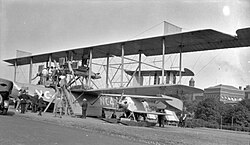
Following the first non-stop Atlantic crossing by Alcock and Brown in 1919, aviation entered a "Golden Age." This era saw the introduction of all-metal airframes by Hugo Junkers and the development of powerful radial and V-12 engines. This period culminated in legendary feats like Charles Lindbergh's solo transatlantic flight in 1927.
Military Innovation and the Jet Age
World War II accelerated technological leaps, including the development of jet engines. The German Heinkel He 178 became the first jet aircraft to fly in 1939, followed by the operational Messerschmitt Me 262. Post-war, the focus shifted to supersonic speeds, with Chuck Yeager breaking the sound barrier in the Bell X-1 in 1947.
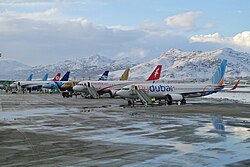
The mid-20th century also saw the rise of commercial jet travel, beginning with the de Havilland Comet and followed by the highly successful Boeing 707. Large-scale transport was revolutionized by aircraft like the Boeing 747, which held the title of the world's largest passenger aircraft for decades.
Aircraft Design and Components
Structural Configurations
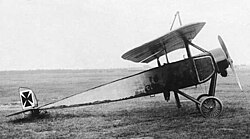
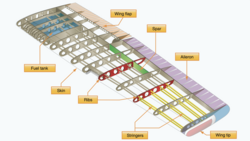
Aircraft are primarily classified by their wing arrangement. Most modern planes are monoplanes (one or two wings), but historical designs included biplanes and triplanes. As engine power increased, the unbraced cantilever monoplane became the industry standard.
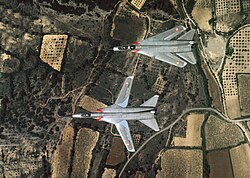
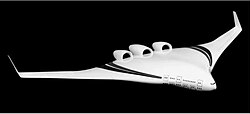
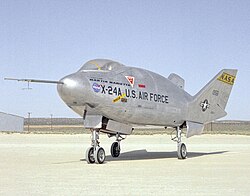
Advanced configurations include the flying wing, which lacks a traditional fuselage and tail, and the lifting body, which uses the fuselage itself to generate lift. While flying wings presented aerodynamic challenges, modern fly-by-wire systems (electronic flight control) have made them viable, particularly for stealth applications.
Controls and Instrumentation
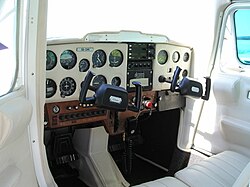
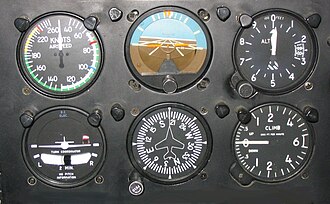
To navigate, pilots use a variety of control surfaces and instruments. Standard controls include the yoke or stick for pitch and roll, and rudder pedals for yaw. In the cockpit, the "six pack" of basic flight instruments provides essential data:
- Airspeed indicator
- Attitude indicator
- Altimeter
- Turn coordinator
- Heading indicator
- Vertical speed indicator
Summary of Aircraft Types and Uses
| Category | Primary Power/Lift Source | Common Examples |
|---|---|---|
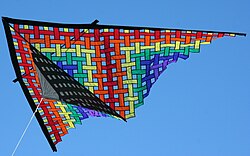
| Kite | Wind/Tether | Delta kite, Box kite, Fighter kite |
| Glider/Sailplane | Rising Air Currents | Free-flying gliders, Unmanned gliders |
| Powered Aircraft | Engine Thrust | Airplanes, Seaplanes, Jetliners |
| Specialized Craft | Hybrid/Ground Effect | Powered paragliders, Ground effect vehicles |
Frequently Asked Questions
What is the difference between fixed-wing and rotary-wing aircraft?
Fixed-wing aircraft use stationary wings to generate lift through forward motion, whereas rotary-wing aircraft (like helicopters) use rotating blades to generate lift.
How do gliders stay in the air without engines?
Gliders and sailplanes use high aerodynamic efficiency to exploit rising air currents, such as thermals, to gain altitude and maintain flight.
What is a flying wing configuration?
A flying wing is an aircraft design where the entire structure acts as a wing, lacking a separate fuselage or tail surfaces. This design is often used to improve stealth capabilities.
What are the basic flight instruments used by pilots?
The six basic instruments, often called the "six pack," include the airspeed indicator, attitude indicator, altimeter, turn coordinator, heading indicator, and vertical speed indicator.
Are kites considered fixed-wing aircraft?
Yes, kites are classified as fixed-wing because they utilize a fixed surface to generate lift from moving air, even though they are not necessarily rigid.