Fishing: History, Techniques, and the Global Industry
Fishing is the act of capturing fish from natural environments, including freshwater and marine habitats, as well as stocked bodies of water such as reservoirs, canals, ponds, and park wetlands. From a vital survival strategy in prehistoric times to a massive global industry, fishing encompasses a vast array of methods—ranging from traditional hand-gathering and angling to industrial-scale trawling.
The scale of the activity is immense. According to United Nations Food and Agriculture Organization (FAO) statistics, approximately 39 million people work as commercial fishers and fish farmers. In developing countries, the fishing and aquaculture sectors provide direct and indirect employment to over 500 million people. In 2005, global per capita consumption of wild-captured fish was 14.4 kilograms (32 lb), supplemented by 7.4 kilograms (16 lb) from fish farms.
Key Facts
- Ancient Origins: Evidence of fish consumption dates back 40,000 years to the Upper Paleolithic period.
- Global Fleet: As of 2024, the world fishing fleet is estimated at 5 million vessels, with 72% operating in Asia.
- Economic Impact: Over 500 million people in developing nations rely on fishing and aquaculture for employment.
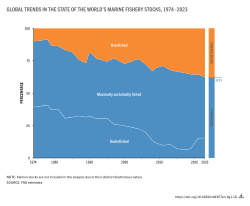
- Sustainability Crisis: Stocks fished at biologically sustainable levels dropped from 90% in 1974 to 62.3% in 2021.
- Production Leaders: China is a dominant force, accounting for one-third of the world's capture fisheries production in 2000.
The Evolution of Fishing
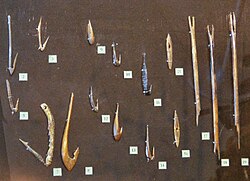
Fishing is one of humanity's oldest practices. Isotopic analysis of the 40,000-year-old Tianyuan man in eastern Asia confirms the regular consumption of freshwater fish. Early humans utilized shell middens and cave paintings to document their reliance on seafood. Even earlier, Neanderthals were known to fish by approximately 200,000 BC. Over time, humans developed basketry for traps and early knitting techniques to create nets, significantly increasing their catch capacity.
The Rise of Industrial Trawling
The 19th century marked a turning point in commercial fishing, particularly in Grimsby, England, which became the world's largest fishing port. The opening of the Royal Dock in 1854 by Queen Victoria established the first modern fishing port. The Brixham trawler design became a global influence, with thousands of vessels operating across Britain, Scandinavia, and the Netherlands.
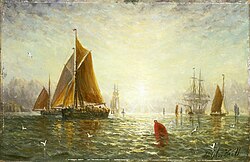
Technological leaps followed rapidly. The 1870s saw the introduction of steam-powered boats. In 1877, David Allen built the world's first screw-propelled steam trawler in Leith, Scotland. Power sources evolved from sail to coal-fired steam by World War I, and eventually to diesel and turbines by the end of World War II.
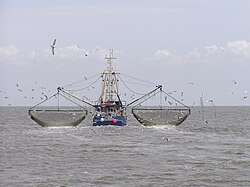
The mid-20th century introduced the "super trawler." The Fairtry, built in 1953 in Aberdeen, Scotland, was a purpose-built stern trawler. Unlike earlier vessels that fished over the side, the Fairtry pulled nets over the stern, allowing it to lift hauls of up to 60 tons.
Recreational Fishing and Tackle
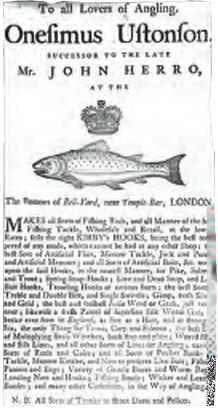
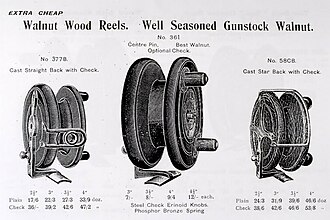
As fishing transitioned from a necessity to a hobby for the aristocracy, the industry commercialized. In the 1730s, Redditch became a hub for fishing products. Onesimus Ustonson, who established his shop in 1761, became a market leader and invented the multiplying winch, receiving royal warrants from three successive monarchs starting with King George IV.
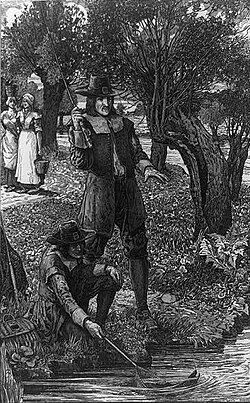
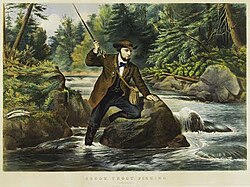
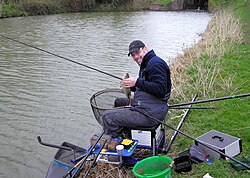
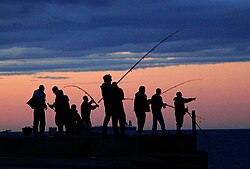
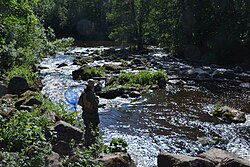
Today, recreational fishing is a global phenomenon. Estimates suggest there are between 220 million and 700 million recreational fishers worldwide—potentially double the number of commercial fishers. In the United States alone, approximately 50.1 million people engage in saltwater and freshwater fishing.
Fishing Techniques and Vessels
Fishing methods vary based on the target species and the scale of the operation. Common techniques include:
- Commercial: Trawling, longlining, jigging, and netting.
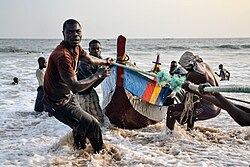
- Artisanal/Traditional: Hand-gathering, spearing, trapping, and the use of bamboo devices.
- Destructive (often illegal): Electrocution, blasting, and poisoning.

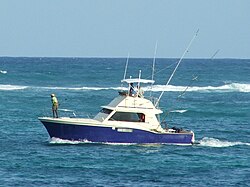
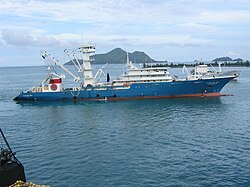
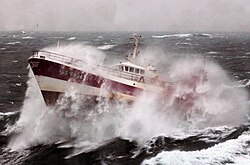
The global fleet is diverse. In 2004, the FAO reported four million commercial vessels. While 1.3 million were decked and mechanized, 1.8 million were undecked traditional craft powered only by sail and oars, primarily used by artisan fishers.
The Global Fishing Industry
The fishing industry encompasses everything from the initial capture and culturing (aquaculture) to processing, transporting, and marketing. In 2022, women made up 24% of fishers and fish farmers and 62% of workers in the post-harvest sector.
The current fleet is heavily concentrated in Asia, which hosts 72% of the world's vessels. Four countries—Indonesia, Philippines, China, and India—account for half of the global fleet. While motorized vessels make up two-thirds of the total, Africa maintains the second-largest non-motorized fleet at 42%.

Major Commercial Species
A small number of species provide the bulk of the global catch. In 1999, herring and sardines alone provided over 22 million metric tons. Other primary species include cod, anchovy, tuna, flounder, mullet, squid, shrimp, salmon, crab, lobster, oyster, and scallops.
| Category | Key Statistic/Detail |
|---|---|
| Commercial Workforce | ~39 million fishers/farmers |
| Global Fleet (2024) | ~5 million vessels |
| Primary Region | Asia (72% of fleet) |
| Sustainable Stocks | 62.3% (as of 2021) |
| Top Producer (2000) | China (1/3 of world production) |
Sustainability and Environmental Challenges
The long-term viability of fishing is threatened by several critical factors. Overfishing and by-catch (the accidental capture of non-target species) have led to a decline in sustainable stocks. Other pressures include climate change, marine pollution, and "ghost fishing" (where lost gear continues to catch fish).
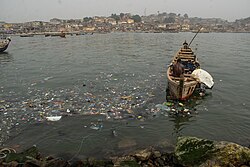
Plastic pollution remains a significant threat to marine ecosystems, while the industry also faces scrutiny regarding animal welfare and the environmental impact of fish farming.

Frequently Asked Questions
How long have humans been fishing?
Fishing is an ancient practice dating back at least 40,000 years to the Upper Paleolithic period, with some evidence suggesting Neanderthals were fishing as early as 200,000 BC.
What is a "super trawler"?
A super trawler is a large, purpose-built vessel, such as the Fairtry (1953), that pulls its nets over the stern rather than the side, allowing for significantly larger hauls—up to 60 tons.
Which region has the largest fishing fleet?
Asia has the largest fishing fleet, accounting for 72% of the world's total, with a high concentration in Indonesia, Philippines, China, and India.
What are the main threats to sustainable fishing?
The primary threats include overfishing, by-catch, marine pollution, climate change, ghost fishing, and the environmental effects of aquaculture.
How many people are involved in recreational fishing?
Estimates vary widely, but it is believed that between 220 million and 700 million people engage in recreational fishing globally.