Fast Draw: The History and Reality of Old West Gunfighting
The concept of the fast draw—the ability to quickly draw a pistol and fire with precision—is one of the most enduring images of the American frontier. While modern audiences often associate this skill with the cinematic tension of a standoff, the historical reality of the Old West was far more complex and less formalized than Hollywood suggests.
In the context of the American frontier, being "fast on the draw" or "quick on the draw" did not always refer to physical speed. Instead, it often described a person's temperament, indicating that they were aggressive and prone to drawing their weapon at the slightest provocation.
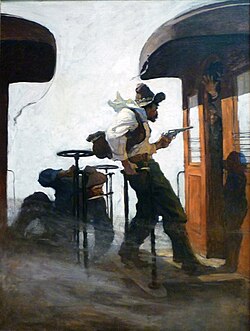
The Evolution of the Gun Duel
Historical gunfights were rarely the choreographed events seen in Western films. Many were spontaneous eruptions of violence fueled by heated arguments or alcohol consumption. When formal duels did occur, they were often crude adaptations of the Southern duel. This was a highly formalized method of resolving disputes between gentlemen, rooted in European chivalry and traditionally performed using a specific dueling stance.
While many figures were considered dangerous, historians identify only a few individuals as truly "fast," including Wild Bill Hickok, Doc Holliday, John Wesley Hardin, and Billy the Kid. Some gunfighters, such as Jim Leavy and Tom Carberry, became infamous for participating in at least two quick draw duels during their lives.
Notable Historical Shootouts
The application of the quick draw can be seen in several documented one-on-one pistol duels and larger skirmishes, including:
- The Hickok–Tutt Shootout
- The Short–Courtright Duel
- The Long Branch Saloon Gunfight
- The Highsaw–Smith Shootout
- The Goodell–McGraw Shootout
- The Bull–Peel Duel
- The Canton–Dunn Gunfight
- The Gunfight at the OK Corral
- The El Paso Gunfight
- The Jonathan R. Davis Shootout
Key Facts
- Historical Meaning: "Quick on the draw" originally referred to an aggressive personality rather than just physical speed.
- Combat Priority: While speed was an advantage, actual gunmen of the era often favored calmness and accuracy.
- Duel Origins: Western duels were often crude versions of the formalized Southern duel based on European chivalry.
- Equipment: Many gunfighters preferred tucking pistols into belts or pockets for practicality over using formal holsters.
Holsters and Equipment: Myth vs. Reality
The image of a gun belt worn low on the hip with a holster cut away for a smooth draw is a Hollywood anachronism—a chronological inconsistency created for the screen. In reality, early holsters were soft and supple to ensure comfort during all-day wear. To prevent the pistol from catching on the soft leather during a draw, some gunfighters used tie-downs to secure the weapon to their thigh.
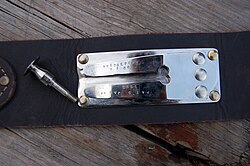
For those seeking a tactical advantage, the Bridgeport rig was utilized to provide a faster and easier draw than standard equipment.
| Feature | Historical Reality | Cinematic Depiction |
|---|---|---|
| Holster Position | High waist, pockets, or belts | Low on the hip/outer thigh |
| Duel Nature | Spontaneous or crude Southern style | Highly choreographed standoffs |
| Primary Goal | Accuracy and calmness | Pure speed of the draw |
| Equipment | Soft leather, tie-downs, Bridgeport rigs | Cut-away leather for speed |
Frequently Asked Questions
What did "fast on the draw" mean in the Old West?
Beyond physical speed, the term often described a person who was aggressive and likely to draw their weapon at the slightest provocation.
Were Western movie duels historically accurate?
Generally, no. Most historical gunfights were spontaneous and unplanned. Formal duels existed but were crude versions of the Southern duel and differed significantly from the stylized versions seen in films.
Who were some of the fastest gunfighters in history?
Historians have noted individuals such as Wild Bill Hickok, Doc Holliday, John Wesley Hardin, and Billy the Kid as being particularly fast.
What is a Bridgeport rig?
A Bridgeport rig is a specific type of holster design that allowed a gunfighter to draw and fire their weapon more quickly and easily than with traditional holsters.
How did real gunfighters carry their weapons?
While some used holsters with tie-downs or Bridgeport rigs, many gunfighters found it more practical and faster to simply tuck their pistols into their belts or hide them in their pockets.