Fakhr al-Din II: The Architect of the Early Lebanese Emirate
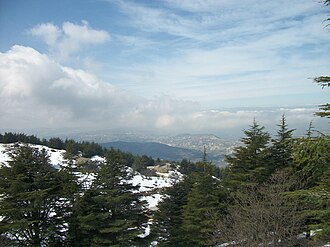
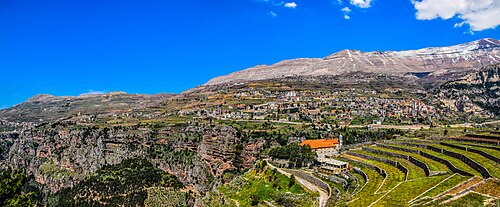
Fakhr al-Din II was a pivotal political and military leader of the 17th-century Levant whose ambitions and administrative skill laid the groundwork for the modern state of Lebanon. A member of the Ma'n dynasty, a Druze family with deep roots in the Chouf mountains, he navigated the complex landscape of the Ottoman Empire to carve out a semi-autonomous domain that bridged diverse religious and ethnic communities.
His legacy is defined by a sophisticated blend of diplomacy, economic modernization, and strategic military expansion. By fostering alliances with European powers and integrating the Maronite and Druze populations, Fakhr al-Din II transformed a collection of fragmented districts into a cohesive political entity.
Key Facts
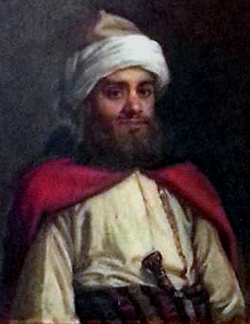
- Dynasty: Ma'n (paternal) and Tanukh (maternal).
- Primary Roles: Sanjak-bey (district governor) of Sidon-Beirut and Safed.
- Key Alliances: Formed a strategic treaty with the Grand Duke of Tuscany in 1608.
- Economic Focus: Promoted the silk industry and protected trade in Mount Lebanon.
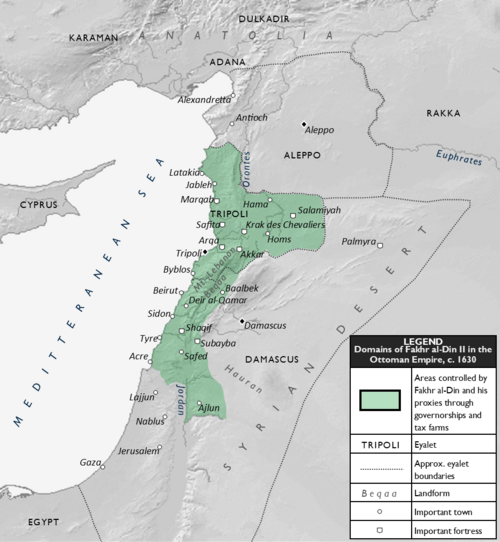
- Territorial Peak: Controlled vast areas of the Levant, including Tripoli, Sidon, Beirut, and parts of northern Syria by 1630.
- Death: Executed in Constantinople on April 13, 1635.
Rise to Power and Ottoman Relations
Born in 1572 in Baakleen, Fakhr al-Din succeeded his father as the emir of the Chouf mountains in 1591. He quickly ascended the Ottoman administrative ladder, becoming the Sanjak-bey (district governor) of Sidon-Beirut in 1593 and Safed in 1602. Unlike some of his predecessors, he initially cooperated closely with the Ottoman authorities, utilizing their need for local stability to consolidate his own power.
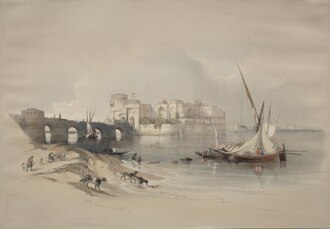
He utilized the iltizam system—a tax-farming arrangement where the state granted the right to collect taxes in exchange for a fixed payment—to expand his influence. Between 1591 and 1594, his tax farms grew to include the Chouf, Matn, Jurd, and the southern Beqaa Valley, as well as lucrative salt profits from the ports of Acre, Sidon, and Beirut.
European Diplomacy and the Tuscan Exile
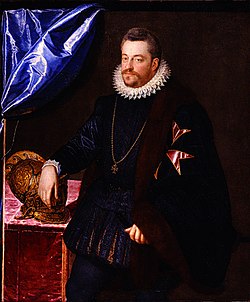
Fakhr al-Din's vision extended beyond the borders of the Ottoman Empire. In 1608, he entered into a treaty with Ferdinand I, the Grand Duke of Tuscany. This agreement stipulated Ma'nid support for a potential crusade in the Holy Land in exchange for military aid and Maronite support for Fakhr al-Din.
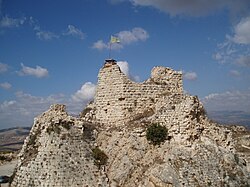
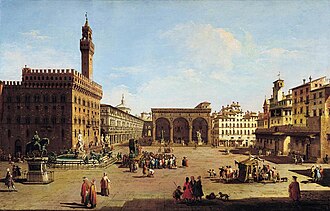
This alliance eventually alarmed the Ottoman imperial government. In 1613, an imperial campaign was launched against him, specifically targeting his strategic strongholds at Shaqif Arnun and Subayba. Forced to flee, Fakhr al-Din lived in exile in Italy between 1613 and 1618, spending approximately two years in Florence.
The Zenith of Ma'nid Power
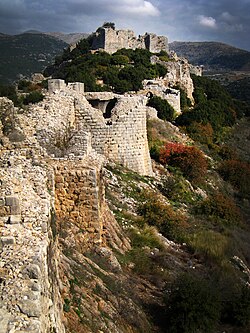
Returning from exile in 1618, Fakhr al-Din resumed control of his former domains and aggressively expanded his territory. He moved against the Sayfa family, his traditional rivals, capturing the stronghold of Hisn Akkar and gaining control over the predominantly Maronite nahiyas (subdistricts) of Byblos, Batroun, Bsharri, and Dinniyeh.
By the early 1630s, his power reached its peak. He held the iltizam of Tripoli, Sidon-Beirut, Safed, and Baalbek, and expanded his reach into Jableh and Latakia. Historical accounts suggest he controlled thirty fortresses and commanded a large army of sekbans—professional musketeers used for sieges and patrols.
Economic and Military Strategy
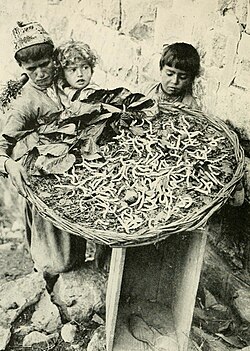
Fakhr al-Din was not merely a conqueror but an economic reformer. He promoted and protected the burgeoning silk industry in Mount Lebanon, which became a cornerstone of the regional economy. To maintain his autonomy, he invested heavily in professional infantry, though the high cost of these troops often required him to take larger shares of agricultural surpluses from the peasantry.
Downfall and Execution
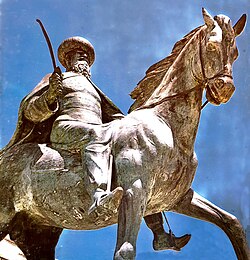
The very scale of Fakhr al-Din's success eventually led to his demise. His growing army and the capture of territories near Damascus sparked fears within the Ottoman court that he intended to claim the Sultanate. The situation reached a breaking point in 1630 or 1631 when he denied winter housing to imperial troops returning from a campaign against the Safavids.
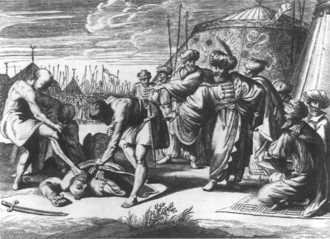
Sultan Murad IV, alarmed by Fakhr al-Din's presence in northern Syria, moved to eliminate the threat. Fakhr al-Din was eventually captured and executed in Constantinople on April 13, 1635.
Legacy and the Birth of Lebanon
Although the Ottomans attempted to dismantle his unified territory, the bond he forged between the Druze of the Chouf and the Maronites of the Keserwan persisted. This unity paved the way for the Shihab clan to later establish the "Lebanese emirate." This administrative evolution eventually led to the Mount Lebanon Mutasarrifate in 1861 and, ultimately, the modern Lebanese Republic.
| Category | Details |
|---|---|
| Primary Territories | Chouf, Sidon, Beirut, Safed, Tripoli, and Northern Mount Lebanon |
| Key Allies | Grand Duchy of Tuscany, Maronite communities |
| Military Force | Sekbans (professional musketeers) |
| Economic Driver | Silk industry and port trade (Acre, Sidon, Beirut) |
| Historical Significance | Considered a founder of the Lebanese state |
Frequently Asked Questions
Who was Fakhr al-Din II?
Fakhr al-Din II was a powerful emir of the Ma'n dynasty who governed various districts in the Ottoman Levant during the early 17th century. He is widely regarded as a foundational figure in the history of modern Lebanon.
Why did he ally with Tuscany?
He sought military aid and political support from the Grand Duke of Tuscany to strengthen his autonomy from the Ottoman Empire, offering support for a future crusade in the Holy Land in return.
What was the role of the sekbans in his army?
The sekbans were professional infantry and mounted musketeers. They provided Fakhr al-Din with a mobile, disciplined force capable of conducting sieges, patrolling roads, and defending against pirates.
How did he impact the economy of Mount Lebanon?
He promoted the production of silk and protected the industry, which helped integrate the region into Mediterranean trade networks and increased local wealth.
What led to his execution?
His expanding territorial control, the size of his professional army, and his refusal to house Ottoman imperial troops led Sultan Murad IV to view him as a threat to the empire's stability.