F-15 Eagle: The Evolution of an Air Superiority Legend
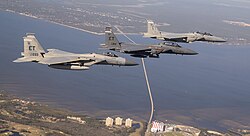
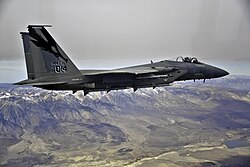
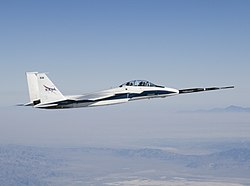
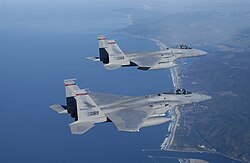
Since its introduction in the mid-1970s, the F-15 Eagle has stood as a cornerstone of aerial combat capability. Designed with a singular, uncompromising focus on air superiority—the ability to control the skies by defeating enemy aircraft—this fighter has evolved from a specialized interceptor into a versatile platform capable of multi-role missions across the globe.
Developed by McDonnell Douglas (now part of Boeing Defense, Space & Security), the F-15 was born from a need for a smaller, lighter, and more agile fighter that could dominate high-altitude engagements. Its legacy is defined by decades of service, technological leaps, and an unmatched combat record.
Key Facts
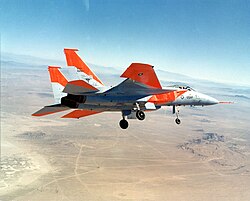
- Primary Role: Air superiority fighter
- Manufacturer: McDonnell Douglas / Boeing
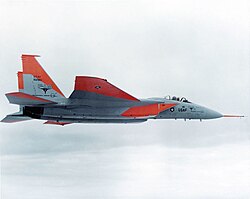
- First Flight: July 27, 1972
- Introduction Date: January 9, 1976
- Top Speed: Mach 2.5 at altitude
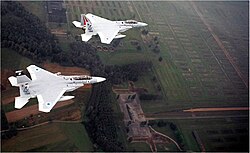
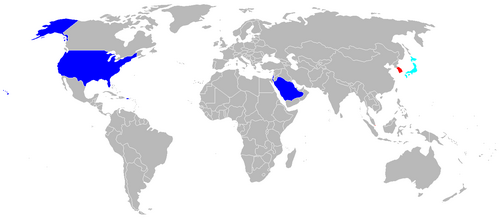
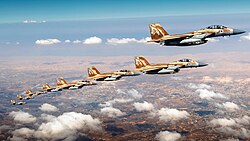
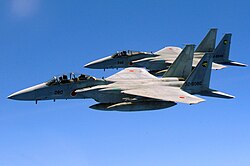
- Primary Users: United States, Japan, Israel, and Saudi Arabia
Development and Design Philosophy
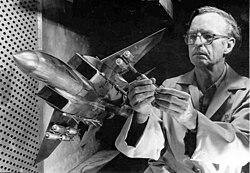
The development of the F-15 began with early studies aimed at creating a platform that prioritized maneuverability and high-altitude performance. Unlike previous generations that attempted to balance multiple roles, the original Eagle design focused heavily on winning the dogfight.
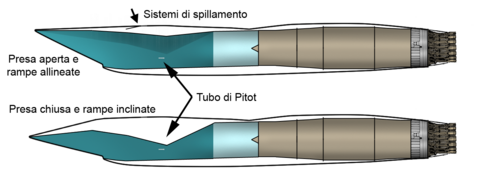
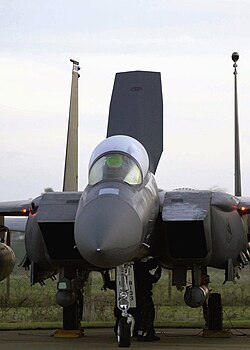
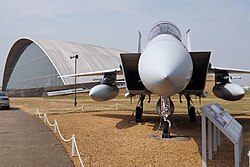
The aircraft's design incorporates advanced aerodynamics, including variable geometry engine air intake ramps. These ramps use internal Pitot tubes and automatic controls to ensure a constant, optimal airflow to the engines, regardless of speed or altitude.
Avionics and Radar Systems
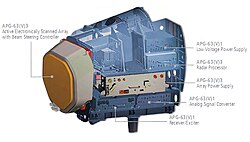
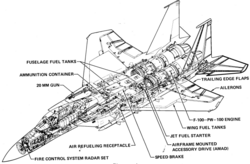
To maintain its edge, the F-15 has undergone continuous electronic upgrades. Central to its combat effectiveness is its radar system. Early models utilized the Hughes AN/APG-63, which has since been superseded by more advanced versions, including the Raytheon AN/APG-63(V)3, an Active Electronically Scanned Array (AESA) radar. AESA technology allows the radar to steer its beam electronically, providing faster scanning and better target tracking.
Weaponry and External Stores
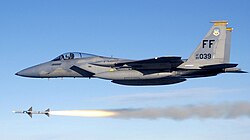
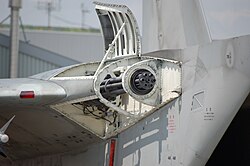
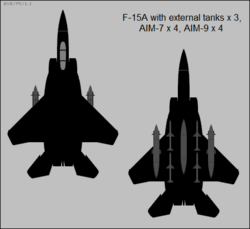
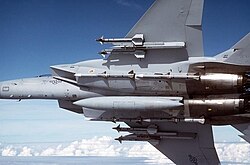
The F-15 is a formidable weapons platform. Its standard armament includes a 20 mm M61A1 Vulcan 6-barrel rotary cannon, capable of firing 940 rounds. For beyond-visual-range and close-in combat, it can carry a variety of missiles, such as:
- AIM-7 Sparrow: A medium-range semi-active radar-homing missile.
- AIM-120 AMRAAM: An advanced medium-range air-to-air missile.
- AIM-9 Sidewinder: A highly maneuverable short-range infrared-homing missile.
Operational History and Variants
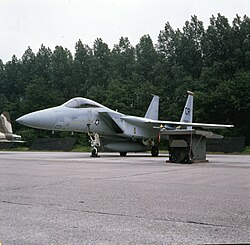
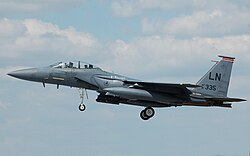
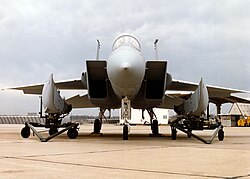
The F-15 has seen extensive service in numerous conflicts, from the Gulf War to modern patrols. Its versatility led to the development of the F-15E Strike Eagle, a derivative designed for deep interdiction and ground attack missions, featuring conformal fuel tanks (CFTs) for increased range.
Major Variants at a Glance
| Variant | Primary Role | Key Characteristics |
|---|---|---|
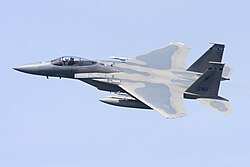
| F-15A/C | Air Superiority | Single-seat, all-weather fighter |
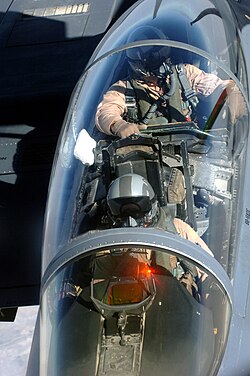
| F-15B/D | Training | Two-seat versions for pilot instruction |
| F-15E | Strike/Multi-role | Dual-role, optimized for ground attack |
| F-15J/DJ | Air Superiority |
Technical Specifications (F-15C)
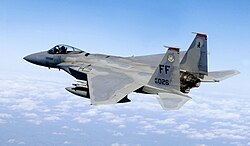
The F-15C remains one of the most capable air superiority fighters ever built. Below are the core specifications for this variant:
General Characteristics
- Crew: 1
- Length: 63 ft 9 in (19.43 m)
- Wingspan: 42 ft 10 in (13.06 m)
- Empty Weight: 29,000 lb (13,154 kg)
- Max Takeoff Weight: 68,000 lb (30,844 kg)

Performance
- Maximum Speed: Mach 2.5 (1,650 mph) at altitude
- Service Ceiling: 65,000 ft (20,000 m)
- Rate of Climb: 67,050 ft/min maximum
- Combat Range: 586 nmi (counter-air with one external tank)
Frequently Asked Questions

What is the main difference between the F-15C and the F-15E?
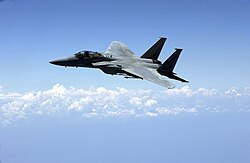
The F-15C is a dedicated air superiority fighter designed primarily for air-to-air combat. The F-15E Strike Eagle is a multi-role derivative optimized for ground attack and interdiction missions.
How fast can an F-15 Eagle fly?
The F-15 can reach a maximum speed of Mach 2.5 at high altitudes, which is approximately 1,650 mph.
What does AESA radar mean in the context of the F-15?
AESA stands for Active Electronically Scanned Array. It is a type of radar that uses many small transmit/receive modules to steer the radar beam electronically, providing superior detection and tracking capabilities compared to older mechanical systems.
Who are the primary operators of the F-15?
The primary users of the F-15 include the United States Air Force, the Japan Air Self-Defense Force, the Royal Saudi Air Force, and the Israeli Air Force.
Can the F-15 carry weapons other than missiles?
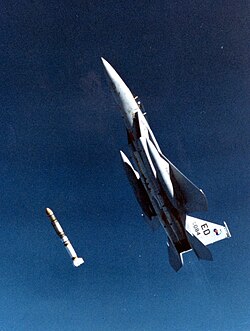
Yes, the F-15 is equipped with an M61A1 Vulcan 20 mm rotary cannon for close-in combat and can also carry various external stores and decoy missiles like the ADM-160 MALD.