Eugenio Cambaceres: The Naturalist Voice of 19th Century Argentina
Eugenio Cambaceres was a pivotal figure in late 19th-century Argentine culture, bridging the worlds of high-stakes politics and provocative literature. Though his life was cut short by illness, he left behind a body of work that challenged the social mores of his time and introduced a raw, pessimistic lens to the Argentine literary landscape.
Born in Buenos Aires on February 24, 1843, Cambaceres was the son of a French chemist who had immigrated to Argentina in 1833 and a mother native to Buenos Aires. He pursued a rigorous education, attending the Colegio Nacional Central before earning a law degree from the Universidad de Buenos Aires.
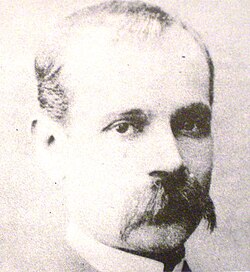
A Turbulent Political Career
Cambaceres entered the political arena with rapid success. He was elected to the Argentine Chamber of Deputies and rose through the ranks of the Club del Progreso, serving as its secretary in 1870 and as Vice President by 1873. However, his commitment to integrity proved to be his undoing; his public denunciations of fraud within his own party led to a political downfall.
Although he was re-elected to the legislature in 1876, he soon resigned to withdraw from public life. One of his most enduring contributions to political discourse was a controversial tract published in a local magazine, in which he advocated for the separation of Church and State—a highly polemic stance for the era.
Literary Evolution and Naturalism
Turning his attention to writing, Cambaceres embraced Naturalism—a literary movement influenced by Émile Zola and the Goncourt brothers that sought to depict characters as products of their heredity and environment, often focusing on the darker, more visceral aspects of human existence. He blended this European style with a localized realist approach to create four pessimistic novels.
Early Controversies
His first two works, Pot-pourri (1881) and Música sentimental: Silbidos de un vago (1884), were characterized by a lack of precise plotting and a weary, oppressive atmosphere. These novels focused heavily on themes of adultery, presented with a crudeness that shocked contemporary audiences. The resulting scandal led to direct attacks from critics, which ultimately pushed Cambaceres to refine his style and composition in his later works.
Masterpieces and Social Critique
In 1885, Cambaceres published his masterpiece, Sin rumbo (Without Direction). This novel is noted for its detailed descriptions of sexual pathology and its use of anecdotal evidence to explore human dysfunction. His final novel, En la sangre (In the Blood), published in 1887, tells the story of the son of humble Italian immigrants who climbs the social ladder by marrying into wealth, only to squander his fortune and descend into misery.
Through these narratives, Cambaceres examined the social upheavals caused by European immigration to Argentina. However, his perspective remained rooted in the high bourgeoisie, often critiquing the lower classes and the immigrants themselves.
Key Facts
- Full Name: Eugenio Cambaceres.
- Lifespan: February 24, 1843 – June 14, 1889.
- Masterpiece: Sin rumbo (1885).
- Literary Style: Naturalism and Realism.
- Political Stance: Advocated for the separation of Church and State.
- Cause of Death: Tuberculosis.
| Title | Year | Primary Themes |
|---|---|---|
| Pot-pourri | 1881 | Adultery, pessimistic atmosphere |
| Música sentimental | 1884 | Adultery, fragmented plot |
| Sin rumbo | 1885 | Sexual pathology, social decay |
| En la sangre | 1887 | Immigration, social climbing, ruin |
Frequently Asked Questions
What was Eugenio Cambaceres' most famous book?
His most significant and celebrated novel is Sin rumbo (Without Direction), published in 1885.
How did politics influence his writing?
His experience as a liberal politician and his disillusionment with party fraud contributed to the pessimistic and critical tone found in his novels.
What literary movement did he follow?
Cambaceres followed Naturalism, drawing inspiration from French writers like Émile Zola to explore the raw and often lurid realities of human nature.
How did he view immigration to Argentina?
While he used his writing to address the social changes brought by immigrants, he did so from the perspective of the high bourgeoisie, often critiquing the lower classes.
Where and how did Eugenio Cambaceres die?
He died of tuberculosis in Paris in 1889 at the age of 45.