Doom Metal: The History and Evolution of Heavy Music's Darkest Genre
Doom metal is a stylistic branch of heavy metal characterized by its slow tempos, thick guitar tones, and a pervasive sense of dread. Rooted in the blues and early heavy metal, the genre prioritizes atmosphere and emotional weight over speed, creating a sonic landscape that often feels oppressive and monolithic.
Key Facts
- Progenitors: Black Sabbath is widely regarded as the primary architect of the doom sound.
- Core Characteristics: Slow tempos, loud guitar feedback, and pessimistic lyrical themes.
- The Big Four: Pentagram, Saint Vitus, Trouble, and Candlemass are considered the foundational pillars of the genre.
- Regional Hubs: Significant scenes developed in Finland, Louisiana, the Pacific Northwest, and the Palm Desert region.
- Diverse Offshoots: The genre has evolved into numerous subgenres, including funeral doom, stoner metal, and sludge.
Origins and Early Influences (1960s–1970s)
The seeds of doom metal were sown in the late 1960s. Early traces can be found in rock tracks like The Beatles' 1969 song "I Want You (She's So Heavy)." However, it was Black Sabbath who defined the genre's blueprint. By blending blues-based structures with the loud, distorted guitar style of Tony Iommi and dark, pessimistic lyrics, they established the standards for early heavy metal.
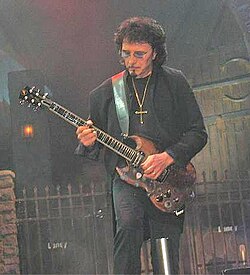
During the early 1970s, bands like Pentagram (and their side project Bedemon) were also composing heavy, dark music. Other influential acts from this era included Blue Cheer, often cited as early stoner metal pioneers due to their use of loud amplifiers and feedback on the album Vincebus Eruptum. Other notable contributors to the proto-doom sound included Budgie, Sir Lord Baltimore, Buffalo, and Led Zeppelin, specifically with the track "No Quarter." Even Japanese psychedelic rock, such as the work of Flower Travellin' Band and Kuni Kawachi & Friends, provided early stylistic influence.
The Development of a Distinct Genre (1980s)
By the 1980s, doom metal emerged as a distinct entity separate from general heavy metal. In England, Witchfinder General released Death Penalty in 1982, while American bands Saint Vitus and Trouble released their debut albums in 1984. Cirith Ungol also played a pivotal role with their 1984 release King of the Dead.
The Swedish band Candlemass further expanded the genre's scope with Epicus Doomicus Metallicus (1986), which gave rise to epic doom metal. Together with Pentagram, Saint Vitus, and Trouble, Candlemass formed what critics call "the Big Four of Doom Metal."
Stylistic Divisions and Subgenres
As the genre evolved, it branched into various fusion styles and specialized subgenres, often blending with other forms of extreme metal.
Traditional and Epic Doom
Traditional doom adheres closely to the original Black Sabbath sound, while epic doom incorporates more melodic elements and grander arrangements.
Death-Doom and Funeral Doom
Death-doom blends the slow pace of doom with the aggression of death metal. A further extreme is funeral doom, which utilizes even slower tempos and a more oppressive atmosphere to evoke a sense of mourning.
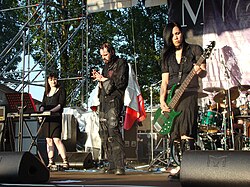
Stoner and Sludge Metal
Stoner metal (or desert rock) emphasizes a psychedelic, "fuzzy" guitar sound and is often associated with the Palm Desert Scene. Sludge metal (or sludgecore) blends doom with the raw energy of hardcore punk, often resulting in a grittier, more abrasive sound.

Drone and Gothic-Doom
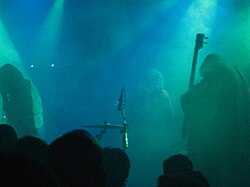
Drone metal focuses on sustained notes and minimalism, stripping away traditional song structures. Gothic-doom incorporates the atmospheric and melodic elements of gothic rock.
Regional Scenes
Doom metal has flourished in specific geographic pockets, each adding a unique flavor to the music:
- Finland: Known for a distinct approach to melodic and atmospheric doom.
- Louisiana: A hub for the heavier, grittier sludge metal sound.
- Pacific Northwest & Washington D.C.: Regions that fostered underground heavy rock and doom movements.
- Palm Desert Scene: The birthplace of the subterranean, organic sound known as desert rock.
| Subgenre | Primary Characteristics | Key Influences/Associations |
|---|---|---|
| Traditional Doom | Slow tempos, blues-based | Black Sabbath, Pentagram |
| Epic Doom | Grand arrangements, melodic | Candlemass |
| Funeral Doom | Extremely slow, oppressive | Death-doom evolution |
| Stoner Metal | Psychedelic, fuzzy tones | Palm Desert Scene, Kyuss |
| Sludge Metal | Abrasive, hardcore punk influence | Louisiana scene |
| Drone Metal | Sustained notes, minimalist | Experimental noise |
Frequently Asked Questions
Who started doom metal?
Black Sabbath is generally regarded as the progenitor of doom metal, utilizing Tony Iommi's heavy guitar style and dark lyrical themes to set the genre's foundation.
What is the difference between stoner metal and doom metal?
While both are slow and heavy, stoner metal typically incorporates more psychedelic influences and a "fuzzy" guitar tone, often associated with the desert rock scene, whereas doom metal focuses more on dread and pessimism.
What are the "Big Four of Doom Metal"?
The "Big Four" refers to the influential bands Pentagram, Saint Vitus, Trouble, and Candlemass, who helped define the genre in the 1980s.
What is funeral doom?
Funeral doom is an extreme subgenre of death-doom that employs incredibly slow tempos and a crushing atmosphere to simulate a feeling of grief or mourning.
Where are the most prominent doom metal scenes located?
Notable regional scenes have developed in Finland, Louisiana (sludge), the Pacific Northwest, and the Palm Desert region of California (stoner rock).