Darwan Singh Negi: The Gallantry of a Victoria Cross Hero
In the annals of military history, few honors carry as much weight as the Victoria Cross (VC), the highest and most prestigious award for gallantry in the face of the enemy available to British and Commonwealth forces. Among the early Indian soldiers to be recognized with this honor was Darwan Singh Negi, a man whose courage during the First World War became a symbol of bravery for the Garhwal Rifles.
Early Life and Military Beginnings
Darwan Singh Negi was born on March 4, 1883, into a farming family in Kafarteer village, located in the Garhwal District of the North-Western Provinces in the British Raj (modern-day Chamoli district, Uttarakhand, India). Seeking a life of service, Negi joined the 39th Garhwal Rifles of the Indian Army in 1902 at the age of 19.
Valor in World War I
When World War I erupted in 1914, Negi's regiment was deployed to France as part of the 7th (Meerut) Division of the Indian Corps. By this time, Negi held the rank of naik (a rank equivalent to a corporal) in the 1st Battalion of the 39th Garhwal Rifles.
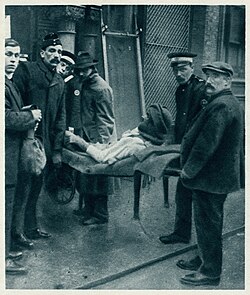
His defining moment of heroism occurred during the Defence of Festubert. On the night of November 23–24, 1914, his regiment was tasked with retaking and clearing enemy forces from their trenches. Despite being wounded in the arm and suffering two head injuries, Negi displayed extraordinary courage. He was among the first soldiers to push around each successive traverse—the zig-zag sections of a trench designed to limit the blast of explosions—while facing intense fire from rifles and bombs at close range.
The Victoria Cross and Later Service
For his conspicuous bravery, the London Gazette announced the grant of the Victoria Cross on December 7, 1914. While Negi was awarded the medal on the same day as Khudadad Khan, Khan is generally regarded as the first Indian recipient because his action took place at an earlier date.
Following his heroic actions, Negi returned to India in January 1915 to assist with recruiting duties. His military career continued after the Great War with service in Iraq. He eventually retired in May 1926, achieving the rank of subedar, which is equivalent to a British captain.
Even in retirement, Negi's commitment to his country remained. During the Second World War, he once again served as a recruiting officer within India. He passed away on June 24, 1950, at the age of 67, and was cremated in his home village of Kafarteer.
A Lasting Military Legacy
The legacy of Darwan Singh Negi extends through three generations of military service. His son, Balbir, served in the Garhwal Rifles and reached the rank of colonel. His grandson continues this tradition, currently serving as a Brigadier in the Indian Army. The family still holds the original Victoria Cross medal.
To ensure his bravery is never forgotten, the regimental museum of the Garhwal Rifles in Lansdowne, Uttarakhand, has been named the Darwan Singh Museum in his honor.
Key Facts
- Born: March 4, 1883, in Kafarteer, India.
- Unit: 1st Battalion, 39th Garhwal Rifles.
- Highest Rank: Subedar (equivalent to Captain).
- Major Conflict: World War I (Defence of Festubert).
- Award: Victoria Cross for bravery under fire while wounded.
- Death: June 24, 1950.
| Category | Details |
|---|---|
| Full Name | Darwan Singh Negi |
| Allegiance | British India |
| Service Branch | British Indian Army |
| Key Action | Retaking trenches at Festubert, France (1914) |
| Honors | Victoria Cross |
| Family Legacy | Son (Colonel), Grandson (Brigadier) |
Frequently Asked Questions
What is the Victoria Cross?
The Victoria Cross is the highest and most prestigious award for gallantry in the face of the enemy that can be awarded to members of the British and Commonwealth forces.
Why is Khudadad Khan considered the first Indian VC recipient instead of Negi?
Although both were awarded the medal on the same day, Khudadad Khan's act of bravery occurred at an earlier date than Darwan Singh Negi's action.
What happened to Darwan Singh Negi during the battle at Festubert?
Negi was wounded in the arm and twice in the head, yet he continued to lead the charge, being one of the first to push through the trench traverses under heavy fire.
What rank did Darwan Singh Negi reach upon retirement?
He retired in May 1926 with the rank of subedar, which is equivalent to the rank of captain in the British Army.
How is Negi remembered today in India?
He is honored through the Darwan Singh Museum at the Garhwal Rifles regimental museum in Lansdowne, Uttarakhand, and his family continues to serve in the Indian Army.