39th Garhwal Rifles
The 39th Garhwal Rifles was a distinguished infantry regiment of the British Indian Army, active from 1887 to 1922. Composed primarily of Garhwali soldiers from the Upper Garhwal region, the regiment earned a reputation for exceptional bravery and discipline across several major conflicts, including World War I and the Waziristan campaign.
Key Facts
- Active Years: 1887–1922
- Branch: British Indian Army (Infantry)
- Uniform: Green with black facings
- Major Engagements: World War I and the Waziristan campaign (1919–1920)
- Highest Honors: Three Victoria Cross recipients
Origins and Evolution
The concept of a dedicated Garhwali regiment was first proposed in January 1886 by Field Marshal Sir FS Roberts. By April 1887, orders were issued to establish the 2nd Battalion of the Third (Kumaon) Gorkha Regiment, which was to be composed of Garhwalis from Upper Garhwal. The initial structure consisted of six Garhwali companies and two Gorkha companies.
Under the leadership of Lt Col EP Mainwaring, the nucleus of the unit assembled at Almora in May 1887, with the official raising date set for May 5, 1887. The battalion later moved to Kaludanda (Lansdowne) on November 4, 1887.
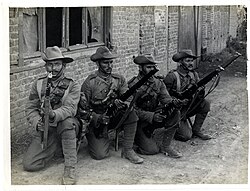
The regiment expanded in 1901 when a Second Battalion was raised at Lansdowne by Lt Col JHT Evatt, DSO. This new unit was initially designated as the 49th (The Garhwal Rifles) Regiment of the Bengal Infantry. By November 1901, both battalions were officially redesignated as the 1st and 2nd Battalions of The 39th Garhwal Rifles.
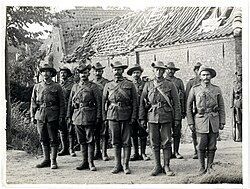
Regimental Name Transitions
The unit underwent several name changes during its evolution to reflect its changing status and composition:
- 1887: 2nd Battalion, 3rd (Kamaon) Gurkha Regiment
- 1890: 39th (Garhwal) Bengal Infantry
- 1892: 39th (Garhwal Rifles) Bengal Infantry
- 1903: 39th Garhwal Rifles
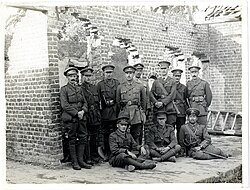
The Victoria Cross Recipients
The Victoria Cross (VC) is the highest award for gallantry in the face of the enemy for British and Commonwealth forces. While Indian troops only became eligible for the award in 1911, three members of the 39th Garhwal Rifles achieved this honor.
Darwan Singh Negi
A Naik in the 1st Battalion, Darwan Singh Negi is considered the first Indian VC winner. During the night of November 23–24, 1914, near Festubert, France, he displayed immense courage while retaking and clearing enemy trenches. Despite being wounded in the arm and twice in the head, he was among the first to push through successive traverses under intense rifle and bomb fire.
Gabar Singh Negi
Rifleman Gabar Singh Negi of the 2nd Battalion was awarded the Victoria Cross posthumously for his actions on March 10, 1915, during the Battle of Neuve Chapelle in France. As part of a bayonet and bomb party, he was the first man to enter and clear each traverse of the main German trench, driving the enemy to surrender before he was killed in action.
William David Kenny
Lieutenant William David Kenny of the 4th Battalion earned the VC during the Waziristan Campaign. On January 2, 1920, near Kot Kai, he commanded a company in an advanced position that was repeatedly attacked by Mahsuds in superior numbers. For over four hours, Kenny led hand-to-hand fighting with bombs and bayonets to hold the right flank.
During the subsequent withdrawal, Kenny and a small party of men launched a counter-attack to distract the enemy and protect the evacuation of wounded soldiers. Lieutenant Kenny was killed during this final act of self-sacrifice.
Regimental Summary
| Attribute | Details |
|---|---|
| Active Period | 1887–1922 |
| Primary Composition | Garhwalis from Upper Garhwal |
| Command Structure | Bengal Army (until 1895), then Bengal Command |
| Key Locations | Almora, Lansdowne (Kaludanda) |
| VC Recipients | Darwan Singh Negi, Gabar Singh Negi, William David Kenny |
Frequently Asked Questions
When was the 39th Garhwal Rifles officially raised?
The battalion was officially raised on May 5, 1887, following a proposal by Field Marshal Sir FS Roberts.
Who was the first Indian soldier to receive the Victoria Cross from this regiment?
Naik Darwan Singh Negi is considered the first Indian VC winner, recognized for his gallantry near Festubert, France, in November 1914.
What was the original composition of the battalion?
The battalion initially consisted of six companies of Garhwalis and two companies of Gorkhas.
In which major conflicts did the 39th Garhwal Rifles serve?
The regiment served in World War I and the Waziristan campaign of 1919–1920.
What were the colors of the regiment's uniform?
The regiment wore green uniforms with black facings.