Cumalıkızık Tourism: Balancing Heritage and Overtourism
Cumalıkızık, a village renowned for its historic charm, has experienced a dramatic transformation since it opened to the public in the 1980s. While the influx of visitors has brought global attention and economic opportunities, it has also introduced the challenges of overtourism—a phenomenon where the number of visitors exceeds the physical and social capacity of a destination.
Key Facts
- Peak season visitors can reach up to 50,000 people per week.
- Annual visitor numbers grew from 150,000 in 2010 to 500,000 in 2015.
- The majority of tourist traffic occurs on Saturdays and Sundays.
- The local economy has shifted from agriculture and livestock to commercial tourism.
The Rapid Growth of Visitor Traffic
The scale of tourism in Cumalıkızık has escalated rapidly over the last few decades. The surge is most evident when comparing data from the early 2010s; in 2010, the village hosted 150,000 visitors, a figure that jumped to 500,000 by 2015. This growth puts immense pressure on the village, particularly during peak seasons when weekly attendance can hit 50,000, with the heaviest crowds arriving over the weekend.
Infrastructure and Environmental Strain
The village's historic layout was not designed for modern mass tourism. The narrow streets, a defining feature of the village, are wearing down due to excessive foot traffic. Furthermore, the arrival of large tourist buses often clogs the roads, creating traffic jams that can prevent emergency services from accessing the village.
Beyond transportation, the basic utilities are struggling to keep pace. The water and sewage systems frequently break down under the weight of peak-season demand. Environmental pollution, specifically leftover litter, has also become a recurring issue.
Impact on Historic Preservation
The physical integrity of Cumalıkızık is at risk. Reports indicate that some tourists have vandalized historic buildings by writing on walls, chipping off pieces of the structures, or climbing on them. Additionally, the desire for the perfect photograph has led some visitors to enter private spaces without permission, infringing on the privacy of the residents.
Economic Transformation and Local Control
Historically, the residents of Cumalıkızık relied on agricultural and livestock activities for their livelihood. However, the tourism boom has triggered a significant economic shift. Many locals have transitioned to commercial ventures, such as operating cafes and selling souvenirs.
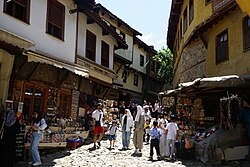
While this shift provides an economic boost, it comes with a cost. Outside investors have begun purchasing land and opening stores, which has gradually decreased the economic control held by the original villagers.
| Metric | Detail/Value |
|---|---|
| 2010 Annual Visitors | 150,000 |
| 2015 Annual Visitors | 500,000 |
| Peak Weekly Visitors | Up to 50,000 |
| Primary Economic Shift | Agriculture & Livestock → Commercial Tourism |
| Main Infrastructure Issues | Sewage, Water, and Road Access |
Frequently Asked Questions
How many people visit Cumalıkızık during peak times?
During the peak season, the village can see up to 50,000 visitors per week, with the highest concentration of arrivals occurring on Saturdays and Sundays.
How has the visitor count changed over time?
There was a significant increase in tourism between 2010 and 2015, with annual visitor numbers rising from 150,000 to 500,000.
What are the main environmental and structural problems?
The village faces issues including the wearing down of narrow streets, littering, and the vandalism of historic buildings, such as chipping or writing on walls.
How has the local economy changed?
The economy has shifted from a reliance on livestock and agriculture to commercial activities like running cafes and selling souvenirs, with an increase in land ownership by outside investors.
Does tourism affect emergency services in the village?
Yes, large tourist buses often clog the narrow roads, which can obstruct and prevent emergency services from accessing the village.