Cuckoldry: Historical, Biological, and Cultural Perspectives
The term cuckold carries a heavy weight in human language, spanning from biological observations to complex social insults and modern psychological phenomena. At its most basic level, a cuckold is a man whose wife is unfaithful. However, the concept extends far beyond simple infidelity, touching upon evolutionary biology, historical folklore, and even specific sexual preferences.
To understand the depth of this term, one must look at its origins in the natural world and how human societies have interpreted these patterns through the centuries.
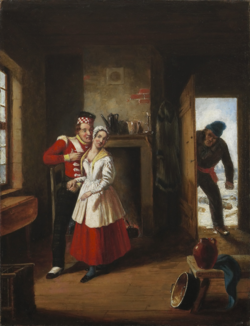
Key Facts
- Biological Origin: The term is derived from the cuckoo bird, which practices brood parasitism by laying eggs in other birds' nests.
- Historical Frequency: Genetic studies suggest cuckoldry is relatively rare, with only 1–2% of births in Western society resulting from unfaithful mothers.
- Terminology: A woman facing a similar situation is called a cuckquean, while a man aware of his partner's infidelity is known as a wittol.
- Cultural Symbols: Many cultures use "horns" or "green hats" as visual metaphors for being a cuckold.
Etymology and Historical Usage
The word finds its roots in the behavior of the cuckoo bird. In biology, a cuckold refers to a male that unwittingly invests parental effort into offspring that are not genetically his own. This biological reality serves as a metaphor for the human condition of being deceived by a partner's infidelity.
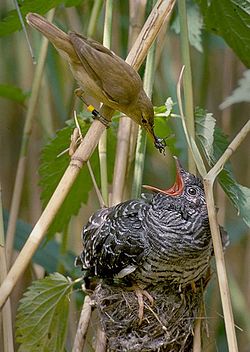
In English literature, the term has been used for centuries. It first appeared around 1250 in the medieval poem The Owl and the Nightingale. By the 15th century, writers like John Lydgate used it as a blunt descriptor, and later, William Shakespeare frequently utilized the concept in his plays, often featuring characters who suspected they had been cuckolded.
Variations in Terminology
Language has evolved to provide specific nuances for different scenarios:
- Cuckquean: Appearing in literature around 1562, this is the female equivalent of a cuckold.
- Wittol: Emerging in 1520, this term describes a man who is aware of his wife's infidelity but remains reconciled to it.
- Bull: A slang term used to describe the dominant man who has relations with the cuckold's partner.
- Cuck: A modern, often pejorative abbreviation used in internet slang.
Cultural Symbols and Global Interpretations
Different cultures have developed unique iconography to represent the shame or status associated with cuckoldry.
The Symbolism of Horns
In many Western traditions, a cuckold is said to "wear the horns." This imagery is an allusion to the mating habits of stags, which lose their mates when defeated by another male. This concept is prevalent across Europe:
- Italy: The insult cornuto is common, particularly in Southern Italy.
- France: The expression porter des cornes is used.
- Germany: A husband is referred to as der gehörnte Ehemann.
- Brazil and Portugal: The term corno is used and is considered quite offensive.
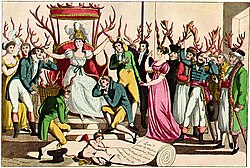
The Green Hat in China
In Chinese culture, the concept is expressed through the phrase dài lǜmàozi, or "wearing the green hat." This stems from sumptuary laws used between the 13th and 18th centuries, which required men in households with prostitutes to wear green headgear.
Cuckoldry in Psychology and Fetishism
In a modern context, the term has been adopted within the realm of sexual fetishism. Unlike the traditional definition involving deception, a cuckold in a fetish context is often a willing participant in the dynamic.
Psychologists often categorize this as a variant of masochism, where the individual derives pleasure from the sensation of humiliation. Psychologist Roy Baumeister suggested that such behaviors might serve as a way to escape the burdens of self-awareness, such as guilt or anxiety, by redirecting attention toward physical or mental pain.
Summary of Terms and Concepts
| Term | Definition | Context |
|---|---|---|
| Cuckold | A man with an unfaithful wife | Social/Biological |
| Cuckquean | A woman with an unfaithful husband | Social |
| Wittol | A man aware of his partner's infidelity | Social/Historical |
| Bull | The man engaging with the partner | Slang/Fetish |
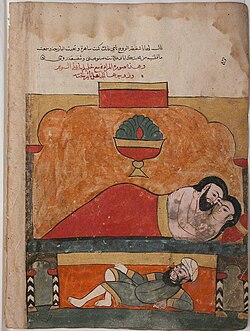
| Dayyūṯ | A person perceived as permissive of unchaste behavior | Islamic Culture |
Frequently Asked Questions
What is the biological definition of cuckoldry?
In biology, cuckoldry occurs when a male unwittingly invests parental care and resources into offspring that are not his own genetically.
How common is infidelity in Western populations?
Scientific evidence, including studies by genetic genealogist Maarten Larmuseau, indicates that cuckoldry is relatively rare, accounting for only 1–2% of births in Western society.
What does it mean to "wear a green hat"?
In Chinese usage, wearing a green hat is a metaphor for being a cuckold, originating from historical sumptuary laws regarding men in certain households.
What is the difference between a cuckold and a wittol?
A cuckold is typically understood to be deceived or unaware of the infidelity, whereas a wittol is a man who is aware of his partner's unfaithfulness and has reconciled himself to it.
Why are horns associated with cuckolds?
The association comes from the behavior of stags, which lose their mates to other males after being defeated, leading to the metaphor of "wearing horns" in various European cultures.