Brood Parasitism: The Evolutionary Strategy of Outsourcing Parental Care
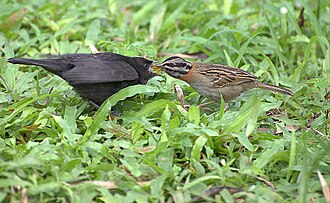
In the natural world, parenting is often a grueling, resource-intensive task. However, some species have evolved a clever, albeit controversial, shortcut: brood parasitism. This behavioral pattern occurs when animals rely on others to raise their young, effectively outsourcing the energy and time required for incubation and rearing to a host species.
This phenomenon is not limited to a single group; it appears across various taxa, including birds, insects, and fish. By manipulating a host—whether of the same or a different species—the parasite ensures its offspring receive care, often through sophisticated methods of deception.
Key Facts
- Brood parasitism is a strategy used by birds, insects, and fish to avoid the costs of rearing young.
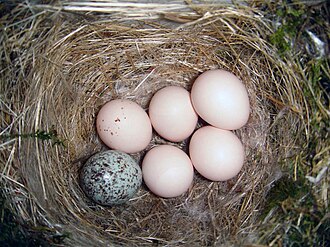
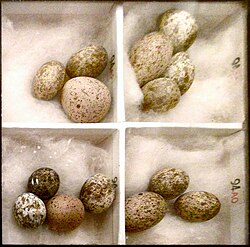
- Parasites often use egg mimicry to make their eggs resemble those of the host.
- The mafia hypothesis suggests some parasites retaliate against hosts that reject their eggs.
- Intraspecific parasitism occurs within the same species, common in many duck species.
- The strategy triggers an evolutionary arms race between parasites and hosts.
Evolutionary Adaptations and Mimicry
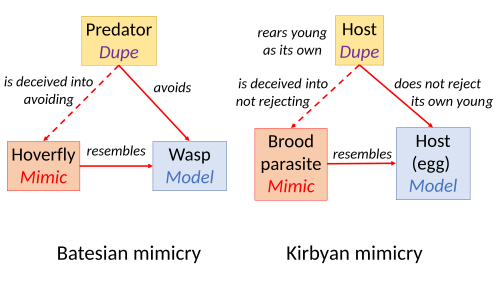
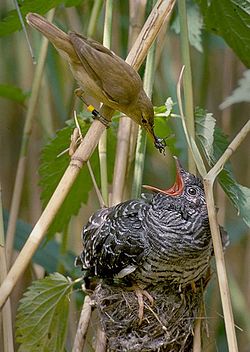
To successfully deceive a host, many parasites have developed specialized adaptations. One of the most prominent is Kirbyan mimicry, a form of aggressive mimicry where the parasite mimics its host to gain an advantage. In avian specialists, this often manifests as mimetic eggs that closely resemble the host's own eggs in color and size.
Beyond visual appearance, the physical structure of the egg plays a vital role. Many brood parasites lay eggs with significantly thicker shells than their hosts. Scientists debate the purpose of this thickness, proposing two main theories:
- Puncture resistance hypothesis: Thicker shells prevent hosts from intentionally breaking the parasitic egg to kill the embryo.
- Laying damage hypothesis: Thicker shells protect the parasite's egg from being damaged by the host's eggs during the laying process, while potentially damaging the host's eggs in the process.
The Evolutionary Arms Race and the Mafia Hypothesis
The relationship between a parasite and a host is rarely one-sided. It often results in an evolutionary arms race, where hosts develop defenses—such as recognizing and ejecting foreign eggs or abandoning parasitized nests—and parasites evolve new ways to bypass these defenses.
A perplexing question for biologists is why many hosts continue to raise parasite nestlings, even when those chicks differ drastically in size and appearance from their own. One compelling explanation is the mafia hypothesis. This theory proposes that parasitic adults act like organized crime syndicates, retaliating by destroying the nests of hosts that reject their eggs. This threat of retaliation may coerce hosts into accepting the parasitic offspring to protect their remaining brood.
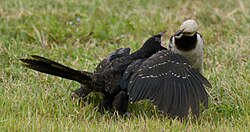
Experimental evidence supports this in species like the brown-headed cowbird and the great spotted cuckoo. For instance, in studies of the prothonotary warbler, nests that ejected cowbird eggs were significantly more likely to be predated upon by the parasite compared to those that accepted them.
Taxonomic Diversity of Parasites
Birds: Specialists and Generalists
Avian brood parasitism is highly diverse. While many parasites are specialists, targeting only one or a few closely related host species, others are generalists. The brown-headed cowbird is a notable generalist, with 221 known host species. Parasitism can also be intraspecific, occurring within the same species. This is seen in many ducks, such as the goldeneye, where females lay eggs in the nests of other females of their own kind.
![The goldeneye often lays its eggs in the nests of other females, one of 74 species of Anseriformes to do so.[27]](/images/59/43/594376a88b5e0a6ca1485e380e6678270da3287647f8d4de95f41fd6087410ea.jpg)
Fish and Insects
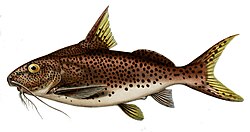
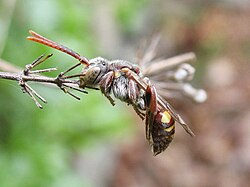
Brood parasitism extends into the aquatic and insect worlds. In fish, certain species like the Pungtungia herzi minnow parasitize freshwater perch by laying smaller, stickier eggs in the host's spawning site. In the insect world, various species, including cuckoo bees and cuckoo wasps, employ similar strategies to exploit the labor of other insects.
![Nest of Polistes dominula, host to the cuckoo wasp P. semenowi[a]](/images/09/ff/09ffee8f2b8bfc2b784ae59708f6e1397a7e9a66c603e5c7c8f0bb59e31aa250.jpg)
Summary of Brood Parasitism Characteristics
| Category | Common Examples | Primary Mechanism |
|---|---|---|
| Interspecific (Birds) | Cuckoos, Cowbirds | Egg mimicry and host manipulation |
| Intraspecific (Birds) | Goldeneye (Ducks) | Laying eggs in same-species nests |
| Fish Parasitism | Pungtungia herzi | Laying sticky eggs in host spawning sites |
| Insect Parasitism | Cuckoo bees, Cuckoo wasps | Exploiting host colonies or nests |
Frequently Asked Questions
What is the difference between interspecific and intraspecific brood parasitism?
Interspecific parasitism occurs when a parasite targets a different species as its host. Intraspecific parasitism occurs when the parasite targets members of its own species.
How do parasites trick their hosts?
Parasites primarily use egg mimicry, producing eggs that match the color, pattern, and size of the host's eggs. They may also use Kirbyan mimicry to manipulate host behavior.
Why don't hosts always reject parasitic eggs?
While many hosts do reject them, some may succumb to the "mafia hypothesis," where the parasite destroys the host's nest if the egg is rejected, forcing the host to accept the parasite to avoid total reproductive loss.
Do all brood parasites use the same strategy?
No. Strategies vary widely; some are specialists that target one host, while others are generalists that can use hundreds of different species. Methods also differ between birds, fish, and insects.
What is the purpose of thick eggshells in parasites?
Thick shells may serve to resist puncture by the host or may be an adaptation to protect the parasite's egg while simultaneously damaging the host's eggs during the laying process.