Cryptosporidiosis: Symptoms, Causes, and Prevention
Cryptosporidiosis is a parasitic infection caused by Cryptosporidium, a genus of microscopic parasites. This condition primarily affects the intestinal tract, leading to gastrointestinal distress, but it can also impact the respiratory system in severe cases. While often manageable in healthy individuals, it can be life-threatening for those with severely compromised immune systems.
The parasite is highly resilient and is frequently transmitted through contaminated water, making it a significant cause of water-borne diseases globally. In developing countries, it is estimated that 8% to 19% of diarrheal diseases are attributed to Cryptosporidium.
Key Facts
- Cause: Infection by Cryptosporidium parasites.
- Primary Symptom: Moderate to severe watery diarrhea.
- Transmission: Swallowing contaminated water or exposure to infected feces.
- High-Risk Groups: Immunocompromised individuals and children aged 1 to 9 years.
- Prevention: Boiling water or using filters with a pore size of 1 micrometre or less.
- Treatment: Nitazoxanide is the primary medication used for treatment.
Symptoms and Clinical Presentation
Symptoms typically appear 5 to 10 days after exposure, though the range can span from 2 to 28 days. The duration and severity of the illness depend heavily on the patient's immune status.
Types of Infection
- Asymptomatic: The individual carries the parasite but shows no symptoms.
- Acute: Symptoms last less than two weeks.
- Recurrent Acute: Symptoms reappear after a brief recovery period (up to 30 days).
- Chronic: Severe and persistent symptoms lasting longer than two weeks.
Intestinal Cryptosporidiosis
The most common manifestation is intestinal, characterized by moderate to severe watery diarrhea that may contain mucus. In extreme cases, diarrhea can become profuse and cholera-like, leading to hypovolemia (low blood volume) and malabsorption.
Other common symptoms include:
- Low-grade fever and fatigue.
- Crampy abdominal pain and nausea.
- Weight loss and dehydration.
- Tenderness in the epigastric or right upper quadrant.
Rare complications can include jaundice (indicating hepatobiliary involvement), ascites (indicating pancreatic involvement), or reactive arthritis affecting the hands, knees, ankles, and feet.
Respiratory Cryptosporidiosis
In some cases, the infection may involve the respiratory tract. Upper respiratory symptoms include nasal discharge, voice changes (such as hoarseness), and inflammation of the larynx, trachea, or sinuses. Lower respiratory involvement may lead to cough, shortness of breath, fever, and hypoxemia (low blood oxygen levels).
Causes and Transmission
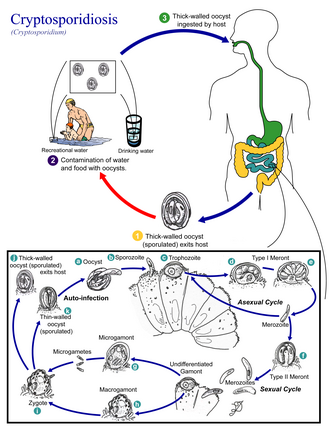
The infection is caused by Cryptosporidium species, which are unique for their endogenous development in the microvilli of epithelial surfaces and their use of a multi-membraneous "feeder" organelle.
The parasite is transmitted via oocysts (thick-walled spores) found in the feces of infected humans or animals. Transmission occurs when these oocysts are ingested through:
- Drinking unfiltered or untreated water (common among hikers, campers, and international travelers).
- Swallowing water in contaminated swimming pools or water parks.
- Direct contact with infected cattle or human feces (including sexual contact).
- Caregiving for infected children or adults.
Prevention and Water Safety
Because Cryptosporidium is resistant to standard chlorine disinfection, specialized methods are required to ensure water safety.
Water Decontamination
- Boiling: Boil water for at least 1 minute (3 minutes at altitudes above 6,500 feet/2,000 meters).
- Filtration: Use filters with a pore size of 1 micrometre or smaller, or those approved by the NSF International for "cyst removal."
- Bottled Water: Water from underground sources is generally less likely to be contaminated.
Food Safety
To pasteurize milk and destroy the infectivity of oocysts, it should be heated to 71.7 °C (161 °F) for 15 seconds.
Treatment and Epidemiology
The primary medical treatment for cryptosporidiosis is Nitazoxanide. While immunocompetent individuals often recover within two weeks, those who are immunocompromised may experience more severe, persistent symptoms and a higher likelihood of reinfection.
Global Impact
Cryptosporidiosis is found worldwide. In developed countries, 1% to 3% of the population excretes oocysts, compared to 8% to 19% in developing countries. Children between 1 and 9 years old are the most affected age group.
Notable Outbreaks
| Year | Location | Estimated Cases | Primary Cause |
|---|---|---|---|
| 1993 | Milwaukee, USA | 403,000 | Sewer overflow into Lake Michigan |
| 2001 | North Battleford, Canada | 1,907 (confirmed) | Water filtration plant failure |
| 2005 | Seneca Lake, USA | 3,800+ | Contaminated water park tanks |
| 2010 | Östersund, Sweden | 12,400 | Contaminated tap water |
Frequently Asked Questions
How is cryptosporidiosis different from other stomach bugs?
Unlike many bacterial infections, cryptosporidiosis is caused by a parasite that is highly resistant to chlorine, meaning it can survive in treated swimming pools and standard city water systems if filtration fails.
Can you get cryptosporidiosis from a swimming pool?
Yes. Because the parasite's oocysts are chlorine-resistant, people can become infected by accidentally swallowing water in contaminated pools, water parks, or spraygrounds.
Is boiling water enough to kill the parasite?
Yes. Boiling water for at least 1 minute (or 3 minutes at high altitudes) is an effective way to decontaminate water from Cryptosporidium.
Who is most at risk for severe infection?
Individuals with compromised immune systems are at the highest risk. For these patients, the infection can be chronic, severe, and potentially fatal.
What is the main medication used for treatment?
Nitazoxanide is the standard treatment. However, healthcare providers may re-test stool samples if symptoms persist after treatment to check for reinfection or the need for a longer course.