Crow Indian History: Migration, Conflict, and Survival on the Northern Plains
The history of the Crow people is a saga of resilience, adaptation, and strategic diplomacy. From their origins in the Eastern Woodlands to their establishment as a dominant force on the Northern Plains, the Crow navigated a landscape of shifting alliances and relentless territorial pressures. By adapting their lifestyle and forging calculated partnerships, they managed to preserve a significant portion of their ancestral lands in an era of widespread tribal displacement.
Originally originating in the Ohio Country south of Lake Erie, the Crow and their related Hidatsa migrated west through Illinois and Minnesota, settling south of Lake Winnipeg during the 12th or 13th centuries. For several hundred years, they lived in settled villages, combining agriculture with bison hunting. However, by the mid-16th century, pressure from the Ojibwe and Cree forced them further west toward the Upper Missouri River.
Establishing Dominance on the Northern Plains
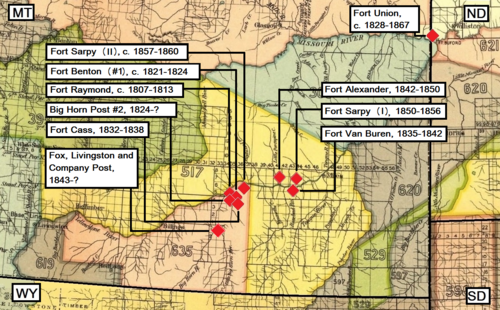
Upon arriving in the Northern Plains of present-day Montana and Wyoming, the Crow fought to secure their new territory, driving out Shoshone bands such as the Bikkaashe (the "People of the Grass Lodges"). They initially allied with local Kiowa and Plains Apache bands, though these groups eventually migrated south, leaving the Crow as the dominant power in the Yellowstone River Valley through the 18th and 19th centuries.
As they settled, the tribe divided into four distinct groups: the Mountain Crow, River Crow, Kicked in the Bellies, and Beaver Dries its Fur. This transition marked a fundamental shift in their way of life; the formerly semi-nomadic farmers of the woodlands became fully nomadic hunters and gatherers of the plains, relying heavily on the bison and utilizing dog travois for transport before the arrival of the horse.
The Impact of the Horse and the Fur Trade
Around 1730, the adoption of the horse revolutionized Crow society. While severe northern winters limited herd sizes compared to southern tribes, the Crow, along with the Hidatsa and Shoshone, became renowned horse breeders and dealers. This wealth, however, made them targets. They faced constant raids and horse thefts from the Blackfoot, Gros Ventre, Assiniboine, Pawnee, and Ute tribes.
The geopolitical landscape grew more complex as the Lakota, Arapaho, and Cheyenne moved westward. The Lakota, in particular, pushed the Crow and Cheyenne further west, eventually seizing territory from the Black Hills of South Dakota to the Bighorn Mountains. This created a lasting and bitter enmity between the Crow and the Lakota-Cheyenne-Arapaho alliance.
Key Facts

- Origins: Migrated from the Ohio Country to the Northern Plains between the 12th and 16th centuries.
- Social Structure: Divided into four main groups, with the Mountain Crow (Ashalaho) being the largest.
- Economic Shift: Transitioned from woodland farming to nomadic bison hunting and horse breeding.
- Major Rivals: Engaged in long-term conflicts with the Blackfoot Confederacy and the Lakota-Cheyenne-Arapaho alliance.
- Strategic Alliance: Cooperated with the U.S. government to protect their lands from traditional tribal enemies.
- Cultural Legacy: The annual Crow Fair, started in 1918, continues to celebrate their culture today.
Territorial Struggles and the Fort Laramie Treaties
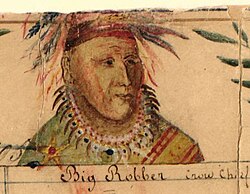
By the 1850s, the Crow faced an existential threat. They were outnumbered by the Lakota and Cheyenne, who coveted Crow hunting grounds. A pivotal moment occurred when a young Plenty Coups—who would later become a great chief—had a vision that the white settlers would eventually dominate the land. He and the tribal elders concluded that the only way to retain their territory was to maintain good relations with the United States government.
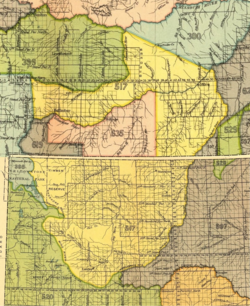
The Treaty of Fort Laramie of 1851 initially confirmed a large area of Crow land centered on the Bighorn Mountains, extending from the Bighorn Basin to the Powder River. However, the treaty lacked enforcement mechanisms. The Lakota and Cheyenne continued their westward expansion, eventually seizing the Powder and Tongue River valleys.
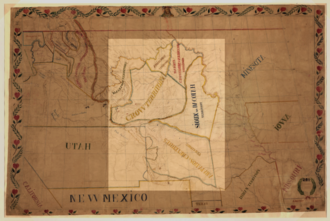
The situation worsened with the Treaty of Fort Laramie of 1868, which effectively betrayed the Crow by designating their former Powder River lands as "unceded Indian territory" for the Lakota. Under pressure from both the U.S. government and the Sioux, the Crow ceded vast ranges in 1868 and accepted a smaller reservation south of the Yellowstone River.
Conflict and Cooperation: 1870–1899
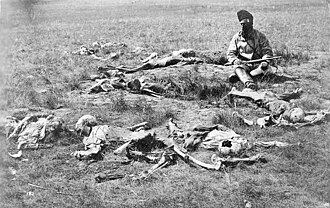
The 1870s were marked by extreme violence. In April 1870, the Sioux annihilated a group of 30 Crow warriors in the Big Dry area, leaving almost no survivors. This era of aggression culminated in the Great Sioux War (1876–1877). Recognizing a common enemy, the Crow enlisted as scouts for the U.S. Army.
Crow scouts provided invaluable intelligence to the Army because of their intimate knowledge of the terrain. The famous Battle of the Little Bighorn actually took place on the Crow reservation. While Lieutenant Colonel George A. Custer suffered a catastrophic defeat, the broader war ended in the defeat of the Sioux and Cheyenne, who were forced onto distant reservations.
![Crooks army before battle of the Rosebud. The Crow and Shoshone scouts and the Army are crossing Goose River on the way to the Rosebud in 1876. The equestrian woman may be either the Crow berdache Finds-them-and-kills-them or the Crow amazon The-other-magpie.[83]: 228](/images/16/6c/166c88b8327e33e6bf8498526d04430f4ef84b00077f523f149a74a595bfa7e4.jpg)
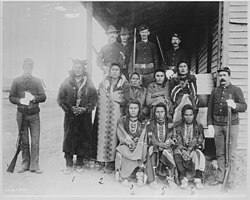
Despite their cooperation with the U.S. military, the Crow continued to face pressure. In 1882, during the cattle boom, the U.S. government pressured the tribe to cede the western portion of their reservation to satisfy the demands of white ranchers.
Summary of Crow Historical Timeline
| Period | Key Events | Outcome |
|---|---|---|
| 12th–16th Century | Migration from Ohio to Lake Winnipeg | Established early settled villages |
| Mid-16th Century | Push to Upper Missouri River | Transition to Northern Plains territory |
| c. 1730 | Adoption of the horse | Became noted horse breeders and dealers |
| 1851 | First Treaty of Fort Laramie | Official U.S. recognition of Crow lands |
| 1868 | Second Treaty of Fort Laramie | Loss of Powder River area to the Lakota |
| 1876–1877 | Great Sioux War | Crow served as U.S. Army scouts |
| 1882 | Cattle Boom Land Cessions | Loss of western reservation lands |
Frequently Asked Questions
Where did the Crow people originally come from?
The Crow and the related Hidatsa originated in the Ohio Country, south of Lake Erie, before migrating west through Illinois and Minnesota to the Northern Plains.
Why did the Crow ally with the United States government?
The Crow were heavily outnumbered by traditional enemies, specifically the Lakota and Blackfoot. Following a vision by Plenty Coups, the tribe determined that cooperating with the U.S. government was the most effective strategy to retain their land.
What was the significance of the horse to the Crow tribe?
The horse allowed the Crow to hunt bison more effectively and move across the plains. They became highly skilled breeders and dealers, though this wealth often attracted raids from other tribes.
What happened to Crow lands after the 1851 Treaty of Fort Laramie?
Although the 1851 treaty confirmed a large territory, the Lakota and Cheyenne ignored these borders. By 1868, the U.S. government effectively ceded much of this land to the Lakota, forcing the Crow to accept a smaller reservation.
What role did the Crow play in the Battle of the Little Bighorn?
Crow warriors served as scouts for the U.S. Army during the Great Sioux War, providing essential geographical knowledge of the region where the battle took place.