Colorado History and Heritage: A Comprehensive Bibliographic Overview
The State of Colorado, often referred to as the Centennial State, possesses a rich and multifaceted history defined by its dramatic landscapes and the resilient people who settled them. From the early days of the gold and silver rushes to the development of a sophisticated agricultural and industrial economy, Colorado's journey is a quintessential American story of frontier ambition and environmental adaptation.
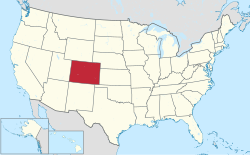
To understand Colorado is to examine the intersection of geology, industry, and culture. The state's identity was forged in the high peaks of the Rockies and the expansive plains, where mining camps evolved into cities and rugged trails became vital transportation arteries. This article provides a structured overview of the key themes and scholarly resources that document the evolution of Colorado.
Key Facts
- Diverse Economy: Historically driven by mining (gold and silver), agriculture, and livestock ranching.
- Indigenous Heritage: Deeply shaped by the presence and history of Native American tribes, particularly the Ute and Arapaho.
- Geological Significance: Defined by the Rocky Mountains, featuring unique prairie, peak, and plateau formations.
- Infrastructure Evolution: Transitioned from burro trails and wagon freighting to narrow-gauge railroads and modern highways.
- Political Development: Evolved from a territory (1858–1865) into a structured state government with a complex system of counties and municipalities.
The Foundations of Colorado's History
The general history of Colorado is a narrative of rapid transition. Early records highlight the Colorado Territory period between 1858 and 1865, followed by the state's growth through the 20th century. Scholars have documented the state's experience during the Great Depression and the subsequent societal shifts that mirrored the changing American West.
Mining and Industrial Growth
Mining served as the primary catalyst for settlement. The gold and silver rushes created a "New Eldorado," leading to the establishment of numerous mining camps and mills. However, this boom also left behind a legacy of ghost towns—abandoned settlements that now serve as historical markers of the era's volatility.
Agriculture and Livestock
Beyond the mines, Colorado's plains and valleys supported a robust livestock industry. The rise of the cattle industry, characterized by the "Cow People" and the use of specific brand books for livestock identification, was essential to the state's economic stability. The development of the Colorado River District also played a critical role in managing water resources for agricultural growth.
Cultural and Environmental Landscapes
Colorado's identity is inseparable from its natural environment and the people who first inhabited the land.
Native American Heritage
The history of Colorado includes the profound impact of the Ute and Southern Arapaho peoples. Documentation of these tribes reveals a complex relationship with goldseekers and the federal government, detailing the transition of indigenous populations through the 20th century.
Geology and Forestry
The state's physical makeup—ranging from the "Roof of the Rockies" to high plateaus—has been extensively studied. The establishment of the Forest Service and the role of early forest rangers were pivotal in preserving the state's timber and wilderness areas.
Infrastructure and Governance
The movement of people and goods was the lifeline of the early state. Transportation evolved from the Overland Stage and wagon freighting to a complex network of mountain railroads and trolleys.
Parallel to this physical growth was the development of government. From the profiling of early governors to the formation of various counties, Colorado established a political framework to manage its rapid expansion and the conflicts arising from land and conservation issues.
| Theme | Key Focus Areas | Primary Historical Drivers |
|---|---|---|
| Industry | Gold/Silver Mining, Milling | Mineral Discovery, Economic Boom |
| Agriculture | Cattle Ranching, Water Rights | Land Availability, Irrigation |
| Culture | Ute & Arapaho Tribes, Frontier Life | Migration, Indigenous Displacement |
| Infrastructure | Narrow Gauge Railroads, Stagecoaches | Trade, Accessibility, Urbanization |
| Environment | Rocky Mountains, Forest Conservation | Geological Surveying, Resource Management |
Frequently Asked Questions
What is the "Centennial State"?
Colorado is known as the Centennial State because it was admitted to the Union in 1876, exactly 100 years after the signing of the Declaration of Independence.
What role did mining play in Colorado's early development?
Mining, specifically for gold and silver, was the primary driver for the initial rush of settlers to the region, leading to the creation of many of the state's earliest towns and its eventual statehood.
Which Native American tribes are most prominent in Colorado's history?
The Ute and the Southern Arapaho are among the most prominent tribes whose history and relations with settlers are extensively documented in Colorado's historical records.
How did transportation evolve in the Colorado Rockies?
Transportation began with burro trails and wagon freighting, progressed to the famous Overland Stagecoaches, and eventually transitioned to narrow-gauge railroads designed to navigate the steep mountain terrain.
What are the "ghost towns" of Colorado?
Ghost towns are former mining camps or settlements that were abandoned after the mineral resources were exhausted or the local economy collapsed, leaving behind remnants of the frontier era.