Caribbean Sea: Geography, Ecology, and Environmental Challenges
The Caribbean Sea is one of the largest seas on Earth, spanning approximately 2,754,000 square kilometers (1,063,000 sq mi). Often described as the American Mediterranean, this vibrant body of water is a critical component of the Atlantic Ocean, bordering 12 continental countries and encompassing 22 island territories. From its turquoise surface waters to its profound depths, the Caribbean is a region of immense biological diversity and geological complexity.
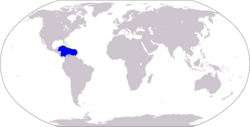
Key Facts
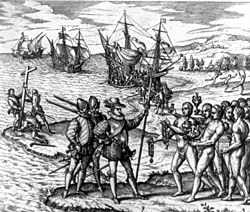
- Maximum Depth: 7,686 meters (25,217 ft) in the Cayman Trough.
- Coral Reefs: Home to roughly 9% of the world's coral reefs.
- Biodiversity: Features 13,000 plant species and 500 reptile species.
- Economic Value: Coral reefs provide an annual economic value of US$ 3.1–4.6 billion.
- Climate Risk: High vulnerability to tropical cyclones and underwater earthquakes.
Geography and Physical Extent
The Caribbean Sea is defined by a complex coastline featuring numerous bays and gulfs, including the Gulf of Honduras, the Gulf of Venezuela, and the Gulf of Paria. It is linked to the Gulf of Mexico via the Yucatán Channel.
![The shaded relief map of the Caribbean Sea and the Gulf of Mexico area[8][9]](/images/9e/44/9e443859d11a9c2d2869daaa8a24dc42a2e0b57a9284d9654038507ede4a5388.png)
The International Hydrographic Organization defines its northern limits through the Windward Channel and the Mona Passage. To the east, the sea encompasses the Lesser Antilles, extending toward Venezuela. The region is characterized by the West Indies, which are divided into the Greater and Lesser Antilles.
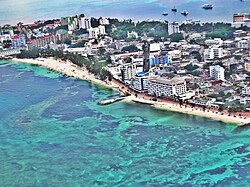
Geology and Tectonics
The seafloor of the Caribbean is marked by extreme variations in depth. While generally considered relatively shallow, it contains two massive oceanic trenches: the Puerto Rico Trench and the Cayman Trench. The latter reaches a maximum depth of 7,686 meters.
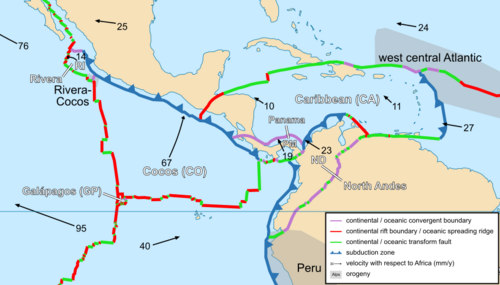
The region is geologically volatile due to the pressure exerted by the South American Plate. This tectonic activity results in high volcanic activity in the Lesser Antilles—exemplified by the devastating eruption of Mount Pelée in 1902—and a significant risk of earthquakes. Over the last 500 years, the area has seen a dozen earthquakes with a magnitude of 7.5 or higher, including a 7.1-magnitude event in Haiti in 2010. These underwater seismic events pose a constant threat of tsunamis.
Oceanography and Climate
The Caribbean's hydrology is remarkably homogeneous, with surface water temperatures typically varying by no more than 3 °C (5.4 °F) annually. However, the region has transitioned through distinct thermal phases: a cooling period ending in 1974, a cold phase peaking between 1974–1976 and 1984–1986, and a recent warming phase increasing by 0.6 °C (1.1 °F) per year. These shifts are largely driven by El Niño and La Niña phenomena.
![The average sea surface temperatures for the Caribbean Atlantic Ocean, 25–27 August 2005.[25] Hurricane Katrina is seen just above Cuba.](/images/51/b0/51b05237502ae2b1b1292e21e8f0857e29def6e6b867da262c618c1db2099a57.jpg)
The climate is heavily influenced by tropical cyclones (hurricanes). The hurricane season runs from June to November, peaking in August and September. On average, nine tropical storms form annually, with five reaching hurricane strength. Historically, between 1494 and 1900, the region experienced 385 hurricanes.
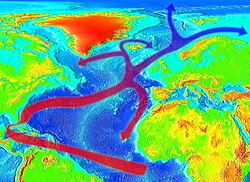
Marine Ecology and Biodiversity
The Caribbean is a global hotspot for marine life, hosting about 50,000 square kilometers of coral reefs. A standout feature is the Belize Barrier Reef, a World Heritage Site and the world's second-longest reef, stretching over 1,000 kilometers along the coasts of Mexico, Belize, Guatemala, and Honduras.
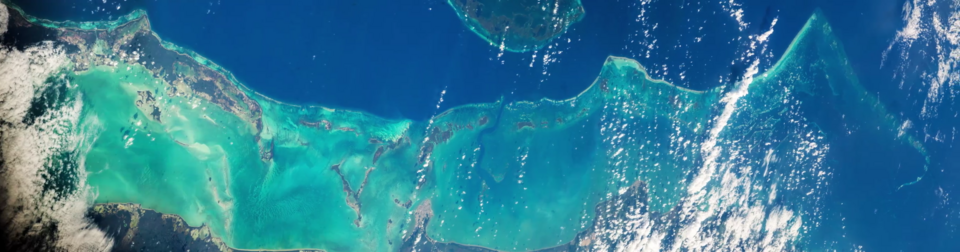
Despite their beauty, these ecosystems are fragile. Coral bleaching—the death of symbiotic zooxanthellae (microscopic plants) due to unusually warm waters—has devastated the region. Reports indicate that 95% of corals have experienced some whitening, and over 42% are completely bleached.
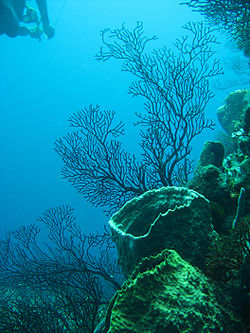
Flora and Fauna
The region's terrestrial vegetation is primarily tropical, with 13,000 plant species, 6,500 of which are endemic. Notable examples include the mahogany (national tree of Belize and the Dominican Republic) and the ceiba (national tree of Guatemala and Puerto Rico).
The fauna is equally diverse but threatened. Endemic reptiles include the blue iguana of Grand Cayman and the rhinoceros iguana of Hispaniola. Sea turtle populations have plummeted since the 17th century; for instance, green turtles dropped from 91 million to 300,000 by 2006.
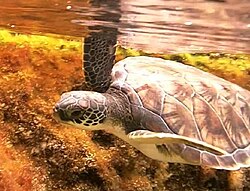
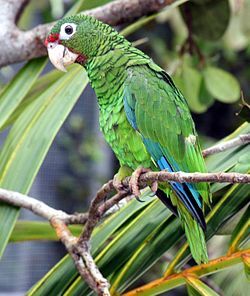
Avian diversity includes 600 recorded species, with 163 endemics like the palmchat and todies. However, species such as the Puerto Rican amazon are currently threatened with extinction.
Human Activity and Economy
Human interaction with the Caribbean Sea is centered on three primary industries: oil, fishing, and tourism. The sea is a global oil powerhouse, producing roughly 170 million tons per year, and a fishing hub yielding 500,000 tonnes of fish annually.
Tourism is a cornerstone of the regional economy, with approximately 12 million annual visitors. Scuba diving and snorkeling on coral reefs are major draws, though environmental degradation threatens this revenue stream. To combat this, 15 countries have ratified the Convention for the Protection and Development of the Marine Environment of the Wider Caribbean Region.
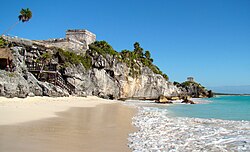
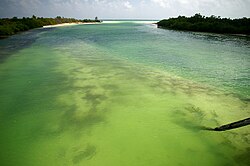
Environmental concerns extend beyond climate change. A 2012 study by the National Autonomous University of Mexico detected heavy metals, including lead, arsenic, and mercury, in coastal sediments accumulated over the last 150 years.
Summary of Caribbean Sea Characteristics
| Feature | Detail |
|---|---|
| Surface Area | 2,754,000 km² (1,063,000 sq mi) |
| Deepest Point | Cayman Trough (7,686 m) |
| Salinity | Approximately 3.6% |
| Endemic Plants | 6,500 species |
| Endemic Reptiles | 94% of 500 species |
| Hurricane Season | June to November |
Frequently Asked Questions
What is the deepest part of the Caribbean Sea?
The deepest point is the Cayman Trough, located between Jamaica and the Cayman Islands, reaching a depth of 7,686 meters (25,217 ft).
What is coral bleaching and why is it happening in the Caribbean?
Coral bleaching occurs when unusually warm water temperatures cause corals to expel their symbiotic zooxanthellae (microscopic plants). These plants provide the coral with food and color; without them, the coral turns white and may die.
Which are the most significant geological threats to the region?
The region faces high risks from underwater earthquakes and volcanic eruptions due to the movement of the South American Plate. These seismic events can trigger devastating tsunamis.
How does the Caribbean Sea contribute to the global economy?
The sea is a major producer of oil (170 million tons per year) and supports a massive tourism industry with 12 million annual visitors, as well as a fishing industry producing 500,000 tonnes of fish annually.
What is the Belize Barrier Reef?
The Belize Barrier Reef is a World Heritage Site and the second-longest reef in the world, exceeding 1,000 km in length. It is part of the Great Mayan Reef system.