Cairns: The Global History and Purpose of Stone Mounds
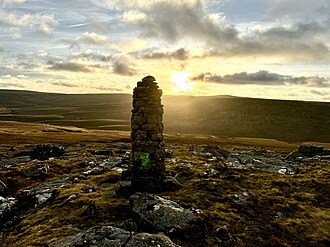
A cairn is a human-made pile or stack of stones constructed for a specific purpose. Derived from the Irish word carn, these structures range from simple, loose conical piles to massive, elaborate megalithic monuments. While they are often recognized today as simple hiking markers, cairns have served as vital cultural, religious, and practical tools for millennia across nearly every continent.
From marking the summits of mountains to serving as sacred burial sites, the versatility of the cairn reflects the universal human desire to leave a lasting mark on the landscape. Whether acting as a memorial for the fallen or a navigational beacon in a barren wasteland, these stone mounds bridge the gap between prehistoric tradition and modern utility.
Key Facts
- Etymology: The word comes from the Irish carn, with similar roots in Welsh (carn), Breton (karn), and Cornish (karn).
- Primary Uses: Historically used for burials, memorials, and boundary markers; currently used as trail and summit markers.
- Global Presence: Found in Europe, Africa, Asia, the Americas, and the Pacific.
- Scale: Varies from small rock sculptures to entire artificial hills.
- Modern Conservation: Many parks now discourage unauthorized rock stacking to protect geological features.
The Evolution of Cairns in Europe
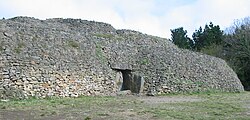
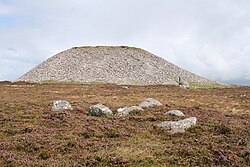
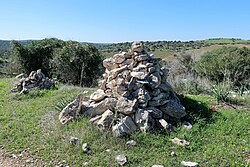
In Eurasia, the construction of stone mounds dates back to prehistory. Many of these structures are massive Bronze Age monuments that function similarly to tumuli (earthwork mounds), but are constructed entirely of stone. These often contain burials and may include internal chambers, such as those found in kistvaens and dolmens.
Ireland and Britain
In the British Isles, cairns are deeply woven into folklore. In Ireland, it is a tradition to carry a stone to the top of a hill to add to a cairn, causing the mound to grow over time. In the Scottish Highlands, folklore tells of clans piling stones before a battle; survivors would remove their stone upon return, leaving a cairn to honor those who perished.
Beyond memorials, cairns served practical defensive purposes. At Dún Aonghasa, an Iron Age hill fort in the Aran Islands, small cairns were used as alternatives to earthworks due to the soil-poor karst landscape.
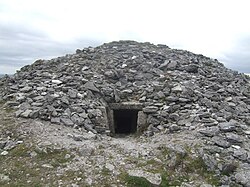
Recent archaeological finds continue to reveal the region's history, such as the 4,500-year-old Neolithic burial cairns discovered in Cwmcelyn, Blaenau Gwent, in 2020.
Scandinavia, Iceland, and the Mediterranean
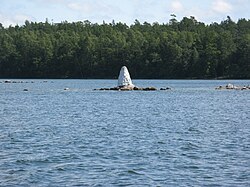
In Scandinavia and Iceland, cairns have historically served as essential trail and sea marks. In Norse Greenland, they were even used as hunting tools, creating "lanes" to direct reindeer toward game jumps.
In ancient Greece, cairns were linked to Hermes, the god of travel. Legend suggests the first cairn was created when the gods threw pebbles at Hermes during a trial, eventually burying him in a heap of stones. In Croatia, these structures are known as gromila, while in Portugal, they are called moledro.
Cairns Across Africa and the Middle East
In North and Northeast Africa, particularly in Somalia, cairns (known as taalo) are common features of historical settlements like Qa'ableh and El Ayo. Many of these sites remain unexplored, holding potential for further historical discovery.
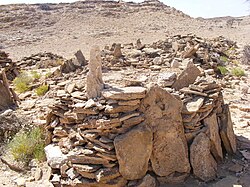
In the Middle East, the biblical name Gilead literally translates to "a heap of testimony." In the Book of Genesis, a cairn was established as a border demarcation between Jacob and Laban. In modern Hebrew, the term for a cairn is gal-'ed.
Traditions in Asia and the Pacific
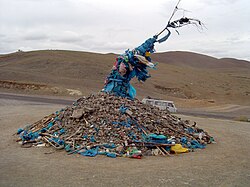
Across Asia, cairns often blend the practical with the spiritual. In Mongolia, the ovoo is a decorated heap used in Tengriist and Buddhist ceremonies, as well as a landmark for nomadic cultures.
In South Korea, hikers frequently add stones to cairns on mountain peaks or near Buddhist temples to bring good luck, a practice rooted in the worship of San-shin (the Mountain Spirit). In Hawaii, cairns called ahu serve as altars, security towers, and focal points for ancestral ceremonies.
Indigenous Practices in the Americas
Indigenous peoples across North America used stone mounds for navigation and hunting, such as marking lanes leading to buffalo jumps. The Klamath and Modoc tribes of the Western United States use stacked rocks for ritual and prayer, including vision quests during puberty rites.
In the Arctic regions of Canada, Alaska, and Greenland, the inuksuk (and inunnguat) are iconic stone sculptures used as directional markers. These pre-date European contact and are so central to the culture that the inuksuk appears on the flag of Nunavut.
In South America, the Quechuan peoples of the Andes continue to build cairns as part of their spiritual traditions.
Modern Usage and Environmental Concerns
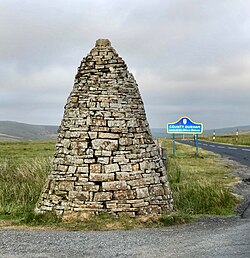
Today, cairns are primarily used by hikers to navigate barren terrain above the tree line where paths are not visible. However, the rise of "recreational" rock stacking has led to environmental concerns.
Organizations like the Hawaiian Volcano Observatory and the US National Park Service warn that unauthorized cairns can destroy geological features and mislead hikers. The "Leave No Trace" guidelines specifically advise visitors not to tamper with, build, or add to cairns in protected areas.

Summary of Global Cairn Types
| Region | Local Term | Primary Purpose |
|---|---|---|
| Ireland/Britain | Cairn / Carn | Burials, memorials, and trail markers |
| Mongolia | Ovoo | Religious ceremonies and nomadic landmarks |
| Arctic North America | Inuksuk | Directional markers and landmarks |
| Hawaii | Ahu | Altars, security towers, and spirituality |
| South Korea | (Various) | Good luck and Mountain Spirit worship |
| Somalia | Taalo | Historical settlement markers |
Frequently Asked Questions
What is the difference between a cairn and a tumulus?
While both are burial mounds, a tumulus (or kurgan) is typically an earthwork made of soil, whereas a cairn is constructed specifically from stones.
Why are some people told not to build cairns in National Parks?
Unauthorized cairns can cause soil erosion, disturb wildlife habitats, and destroy geological features. They can also mislead other hikers by creating false trail markers.
What is an inuksuk?
An inuksuk is a carefully constructed stone sculpture used by Indigenous peoples of the Arctic (Canada, Alaska, Greenland) as a landmark or directional marker.
Do cairns have religious meanings?
Yes, in many cultures. For example, Mongolian ovoos are used in Buddhist and Tengriist ceremonies, and Hawaiian ahus serve as spiritual altars.
How were cairns used in ancient warfare?
In some Highland folklore, clans would pile stones before a battle; those who survived removed their stone, and the remaining stones were used to build a cairn for the dead.