Budapest: The Majestic Queen of the Danube
Known by evocative nicknames such as the Queen of the Danube, the Capital of Spas, and the Paris of the East, Budapest stands as the vibrant heart of Hungary. This sprawling metropolis is a unique fusion of two distinct cities—Buda and Pest—divided by the mighty Danube River but united by a shared history of resilience and grandeur.
From its Roman origins as Aquincum in AD 41 to its modern status as a global hub of culture and finance, Budapest offers a breathtaking blend of neogothic architecture, thermal wellness, and a sophisticated urban lifestyle.
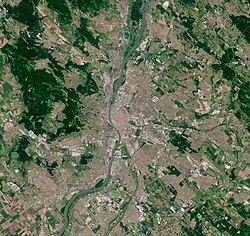
Key Facts
- Official Status: Capital city of Hungary.
- Unification: Buda, Pest, and Óbuda merged on November 17, 1873.
- Population: Approximately 1,685,209 in the capital city (2025), with a metro population of over 3.3 million.
- UNESCO Status: The Banks of the Danube, the Buda Castle Quarter, and Andrássy Avenue were designated World Heritage Sites in 1987.
- Economy: Metro nominal GDP of €104.39 billion (2024).
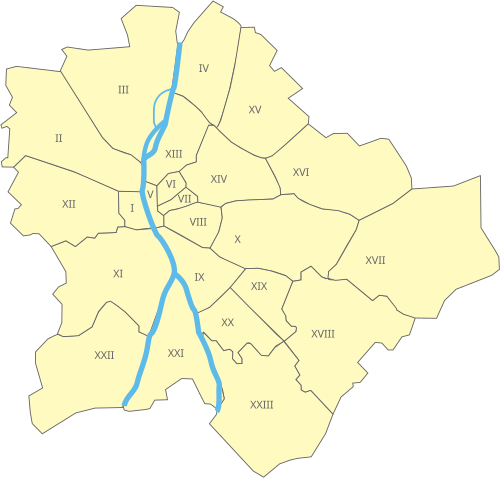
- Geography: Spans 23 districts with elevations ranging from 96m at the Danube to 529m at János Hill.
A Journey Through History
The roots of Budapest stretch back nearly two millennia. The area was first settled by the Romans in AD 41 under the name Aquincum. Over the centuries, the settlement evolved into two separate entities: Buda, the hilly fortress town, and Pest, the flat commercial center.
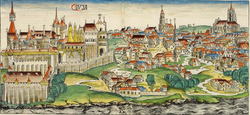
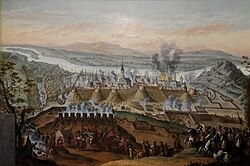
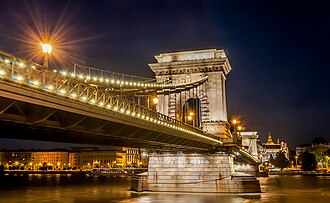
The city's trajectory was marked by significant conflicts and triumphs, including the retaking of Buda from the Ottoman Empire in 1686. The 19th century ushered in a golden age of development, epitomized by the construction of the Chain Bridge in 1849, which physically and symbolically linked the two sides of the city.
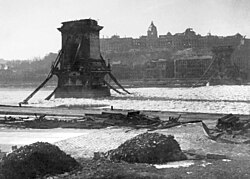
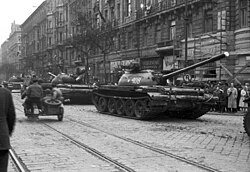
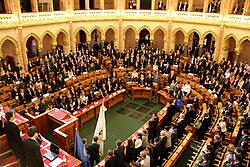
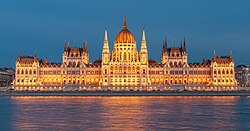
The 20th century brought both architectural triumphs and political turmoil. While the Hungarian Parliament was completed in 1904 as a symbol of national pride, the city also witnessed the devastation of the Siege of Budapest and the Soviet intervention of 1956.
Geography and Urban Structure
Budapest is organized into 23 administrative districts. The city's topography is defined by the contrast between the rolling hills of Buda and the expansive plains of Pest. This geography influences everything from the city's climate—characterized by moderate temperatures and an annual average precipitation of 586 mm—to its urban planning.
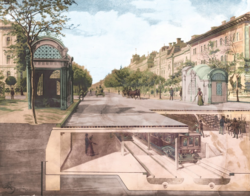
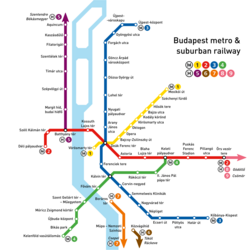
The city is a leader in infrastructure, boasting the Millennium Underground, which opened between 1894 and 1896 and remains the second oldest metro system in the world.
City Administration and Demographics
The city is governed by a Mayor-council system, currently led by Mayor Gergely Karácsony. Demographically, the city has seen fluctuations over the last century, peaking in the mid-20th century before stabilizing around 1.7 million residents. Religiously, the population is diverse, with Roman Catholicism being the most declared faith (40.7%), followed by Calvinism (13.6%) and a significant percentage of non-religious residents (34.6%).
Architectural Landmarks and Tourism
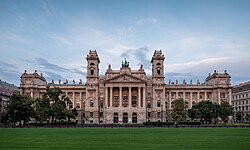
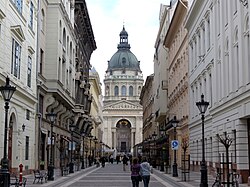
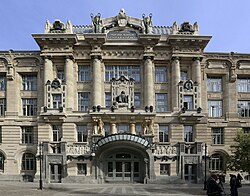
Budapest is a living museum of architectural styles. The Hungarian Parliament is perhaps the most iconic structure, while the Chain Bridge serves as the city's enduring symbol of connectivity.
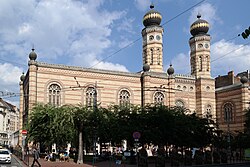
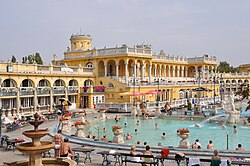
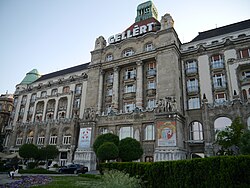
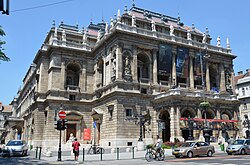
Cultural life thrives in venues like the Hungarian State Opera House and the Dohány Street Synagogue, the largest in Europe. For those seeking leisure, the city's thermal culture is world-renowned, with the Széchenyi and Gellért baths offering healing waters in opulent settings.
Parks and Recreation
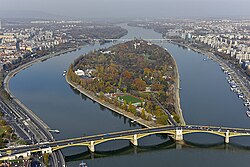
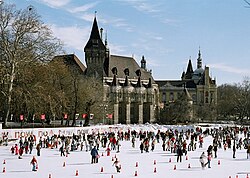
The city balances its urban density with vast green spaces. Margaret Island provides a serene escape in the middle of the Danube, while the City Park hosts the famous ice rink and the Vajdahunyad Castle.
Economy, Education, and Innovation
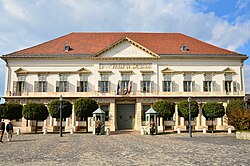
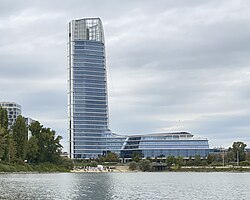
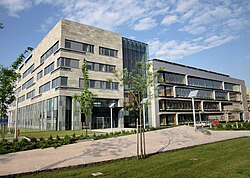
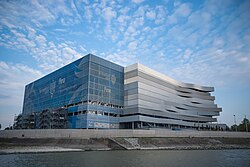
Modern Budapest is a center for research and corporate headquarters. The MOL Campus, a neomodern skyscraper, and the Richter Gedeon R&D center highlight the city's commitment to innovation and energy.
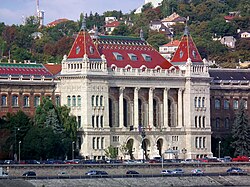
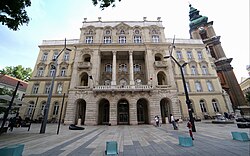
The city is also a premier educational hub. It is home to the Budapest University of Technology and Economics, founded in 1782 as the oldest institute of technology in the world, and the prestigious Eötvös Loránd University.
Infrastructure and Connectivity
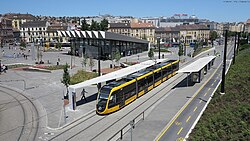
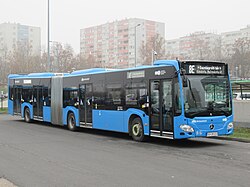
Budapest's transport network is highly integrated, combining a comprehensive metro system, an extensive tram network (including the CAF Trams), and a modern bus fleet operated by BKK-BKV.
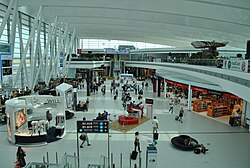
For international travelers, the Budapest International Airport features the SkyCourt lounge, connecting the city to the rest of the globe.
City Overview Summary
| Category | Detail |
|---|---|
| Coordinates | 47°29′33″N 19°03′05″E |
| Area (Capital City) | 525.1 km² |
| Metro Population | 3,303,786 |
| Nominal GDP (Metro) | €104.39 billion |
| HDI (2023) | 0.957 (Very High) |
| Time Zone | CET (UTC+1) / CEST (UTC+2) |
Frequently Asked Questions


When were Buda and Pest unified?
Buda, Pest, and Óbuda were officially unified into a single city on November 17, 1873.
What is the significance of the Millennium Underground?
The Millennium Underground, built between 1894 and 1896, is the second oldest metro system in the world, surpassed only by the London Underground.
Which sites in Budapest are UNESCO World Heritage Sites?
The designated UNESCO sites include the Banks of the Danube, the Buda Castle Quarter, and Andrássy Avenue.
What is the oldest technical university in the world located here?
The Budapest University of Technology and Economics, founded in 1782, holds the title of the oldest institute of technology in the world.
What are the most famous thermal baths in the city?
The Széchenyi Thermal Bath in the City Park and the Gellért Spa are among the most famous and visited thermal baths in Budapest.