British Overseas Territories: Governance, Geography, and Global Presence
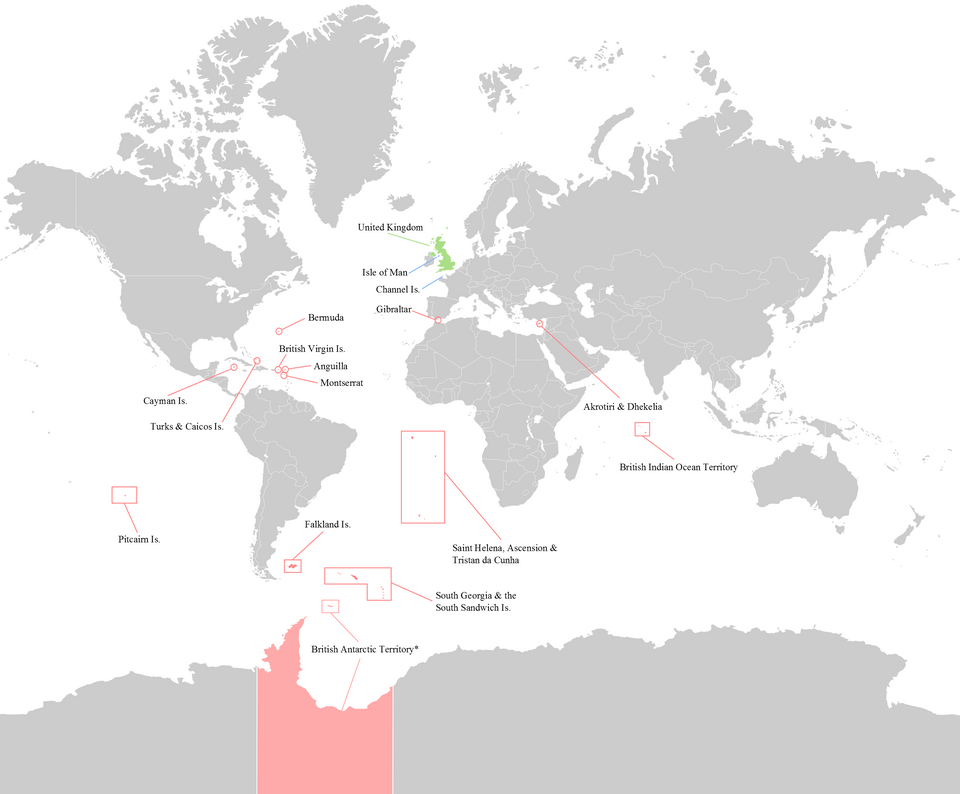
The British Overseas Territories are a group of 14 jurisdictions that remain under the sovereignty of the United Kingdom. Unlike the UK itself, these territories are dependent territories under a constitutional monarchy, meaning they maintain their own local governance while recognizing the British Monarch as their head of state.
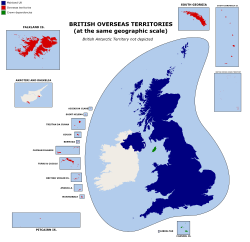
Spanning every ocean and continent, these territories range from the frozen expanses of Antarctica to the tropical shores of the Caribbean and the strategic heights of Gibraltar. Together, they represent a diverse array of cultures, economies, and ecological environments.
Key Facts
- Total Number: 14 distinct overseas territories.
- Sovereign State: United Kingdom.
- Monarch: King Charles III.
- Largest Territory: British Antarctic Territory (by area).
- Total Population: Approximately 272,256 (2019 estimate).
- Official Language: English is the primary official language across all territories.
The 14 British Overseas Territories

The territories are distributed globally, with a significant concentration in the Caribbean and the South Atlantic. Each possesses a unique administrative structure and economic profile.
Caribbean and North Atlantic
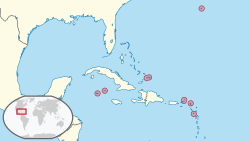
Five of the overseas territories are located in the Caribbean region, serving as vital hubs for tourism and financial services.
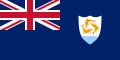
- Anguilla: Known for its motto "Unity, Strength and Endurance."
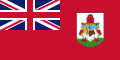
- Bermuda: One of the most prosperous territories with a high GDP per capita.
- British Virgin Islands: Comprising Tortola, Virgin Gorda, Anegada, and Jost Van Dyke.
- Cayman Islands: Including Grand Cayman, Cayman Brac, and Little Cayman.
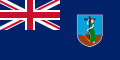
- Montserrat: Notable for the Soufrière Hills volcanic eruption, which led to the abandonment of its de jure capital, Plymouth.
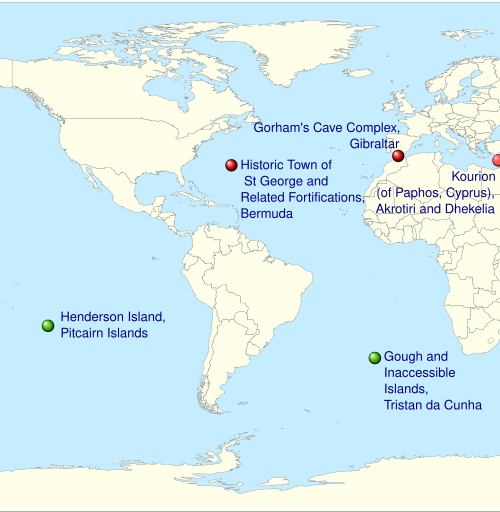
Bermuda holds a special place in history; the town of St. George's is the oldest continuously inhabited British settlement in the New World, founded after the wreck of a Virginia Company flagship in 1609.
![St. George's town (originally named New London), in the Islands of Bermuda, or "The Somers Isles". The colony was founded by the wrecking of the flagship of the Virginia Company in 1609. The company's charter was extended to include Bermuda in 1612, and it has remained an English (since 1707, British) colony ever since. Since the rebellion of Virginia, it has been the oldest-remaining British colony, and the town of St. George's is the oldest continuously inhabited British settlement in the New World.[46]](/images/e8/d0/e8d0b959ee8360a8756cfb7b18d928039c6bd6293d39421e55eaa02d2b6a62f3.jpg)
South Atlantic and Antarctic
These territories are characterized by their remote locations and strategic importance for research and security.
- Falkland Islands: The largest territory by land area outside of Antarctica.
- South Georgia and the South Sandwich Islands: Primarily used for research and conservation.
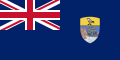
- Saint Helena, Ascension and Tristan da Cunha: A remote archipelago in the Mid-Atlantic Ridge.
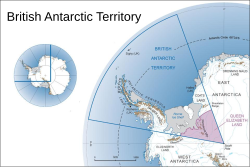
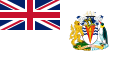
- British Antarctic Territory: A massive region dedicated to "Research and Discovery," with no permanent residents.
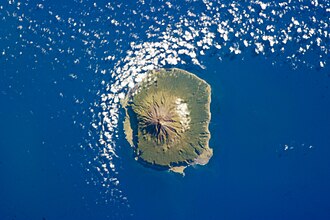
Tristan da Cunha is one of the most isolated inhabited places on Earth; its population was famously evacuated to the UK in 1961 following a volcanic eruption.
Other Global Territories
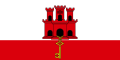
- Gibraltar: Located on the Iberian Peninsula at the Straits of Gibraltar.
- Akrotiri and Dhekelia: Sovereign Base Areas located in Cyprus.
- British Indian Ocean Territory: Home to the Naval Support Facility Diego Garcia.
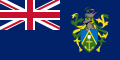
- Pitcairn Islands: A tiny archipelago in the South Pacific, the least populous territory.
Governance and Administration
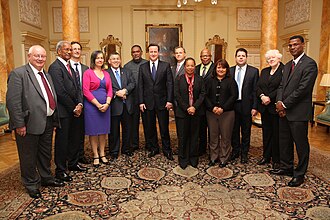
The territories are governed as dependent territories. While they manage their own internal affairs through local governments, the UK government remains responsible for their defence, security, and foreign affairs.
The UK's relationship with these territories focuses on several key pillars: ensuring resilient economies, cherishing the environment, improving government efficiency, and maintaining productive links with the wider world.
Legal and Monetary Systems
While English is the official language, several local languages and creoles exist, such as Pitkern in the Pitcairn Islands and Yanito in Gibraltar. Currencies vary widely based on regional economic ties:
- Pound Sterling: Used in the British Antarctic Territory, Tristan da Cunha, and South Georgia.
- US Dollar: Used in the British Virgin Islands, Turks and Caicos, and de facto in the British Indian Ocean Territory.
- Local Pegged Currencies: Such as the Bermudian dollar (parity with USD) and the Cayman Islands dollar.
- Euro: Used in Akrotiri and Dhekelia.
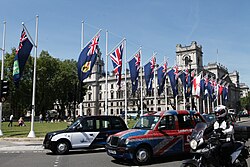
Territory Summary Table

| Territory | Location | Capital | Approx. Population | Primary Currency |
|---|---|---|---|---|
| Bermuda | North Atlantic | Hamilton | 62,506 | Bermudian Dollar |
| Cayman Islands | Caribbean | George Town | 78,554 | Cayman Islands Dollar |
| Gibraltar | Europe | Gibraltar | 33,701 | Gibraltar Pound |
| Falkland Islands | South Atlantic | Stanley | 3,377 | Falkland Islands Pound |
| Pitcairn Islands | South Pacific | Adamstown | 35 | NZ Dollar |
Sovereignty and International Relations
Several territories are subject to disputed sovereignty, where other nations claim the land:
- Falkland Islands & South Georgia: Claimed by Argentina.
- Gibraltar: Claimed by Spain.
- British Indian Ocean Territory: Claimed by Mauritius.
- British Antarctic Territory: Overlaps with claims by Chile and Argentina.
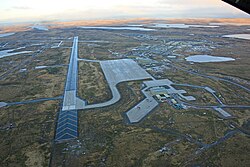
Frequently Asked Questions














![Coastline at Little Bay, the site of the new capital of Montserrat replacing Plymouth. The project is funded by[77] the UK's Foreign, Commonwealth and Development Office (previously the Department for International Development).](/images/da/42/da4250aa067889552d3f70297d935e32c576420cf2d41905556ceca0d05316a6.jpg)
What is the difference between an Overseas Territory and the UK?
The UK is a sovereign state, while Overseas Territories are dependent territories. They have their own local governments for internal matters but rely on the UK for defense and foreign diplomacy.
Which is the largest British Overseas Territory?
By land area, the British Antarctic Territory is the largest. Excluding Antarctica, the Falkland Islands are the largest.
Do residents of these territories have British citizenship?
Citizenship varies by territory and historical legislation, such as the British Overseas Territories Act 2002, which granted full British citizenship to many residents.
What is the official language of the territories?
English is the official language across all 14 territories, though local dialects and languages like Pitkern or Spanish (in Gibraltar) are also spoken.
Why is Montserrat's capital listed as Plymouth but referred to as Brades?
Plymouth is the de jure (legal) capital, but it was abandoned following the Soufrière Hills volcanic eruptions. Brades serves as the de facto (actual) capital.