Bird Wing Anatomy and Morphology: The Science of Avian Flight
Bird wings are highly specialized paired forelimbs that have evolved to generate the lift and thrust necessary for flight. While we often associate wings with the sky, their form varies wildly across the avian world. In terrestrial flightless birds, such as the moa, wings are either greatly reduced or entirely absent. Conversely, in aquatic flightless birds like penguins, wings have evolved into powerful flippers for navigating the ocean.
The efficiency of a bird's flight is a direct result of its anatomical structure and the specific shape of its wings, which are tailored to the bird's environment and survival strategy.
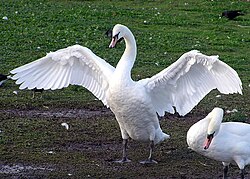
Key Facts
- Carpometacarpus: A fused bone structure in the bird's hand formed by the merger of carpal bones and three metacarpus bones.
- Alula: A specialized group of feathers on the frontmost finger that functions similarly to an airplane's slats.
- Aspect Ratio: The ratio of a wing's span to its mean chord, determining flight efficiency.
- Wing Loading: The ratio of a bird's total weight to its wing area.
- Speed Records: The peregrine falcon holds the record for the fastest dive at 242 mph, while the spine-tailed swift is the fastest in straight, powered flight at 105 mph.
Anatomy of the Avian Wing
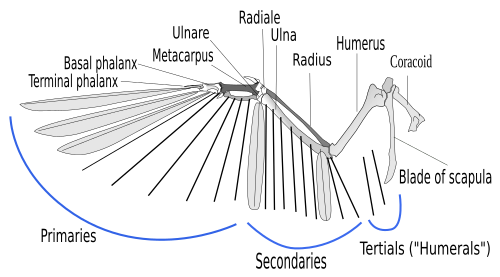
Like most tetrapods (four-limbed vertebrates), the bird forelimb consists of the shoulder, the forearm, and the hand. The shoulder contains the humerus, while the forearm is composed of the ulna and the radius.
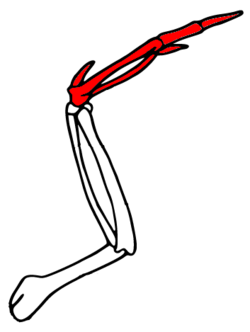
The hand has undergone significant transformation to support flight. Several bones have been reduced or fused; specifically, three metacarpus bones and part of the carpal bones merge to form the carpometacarpus. Attached to this are three fingers. The frontmost finger supports the alula, which helps maintain lift at slow speeds. The number of phalanx bones varies, typically with one on the first finger, two on the second, and one on the third, though some species possess an additional phalanx (a claw) on the first two fingers.
The Finger Identity Problem
For over 150 years, scientists have debated the identity of the three remaining fingers in the bird wing. Anatomical, paleontological, and molecular evidence suggests they are fingers 1, 2, and 3. However, embryological data indicates they are actually fingers 2, 3, and 4. The prevailing hypothesis to resolve this discrepancy is that finger buds 2–4 began following the genetic development program intended for fingers 1–3.
Wing Morphology and Flight Types
The shape of a wing determines a bird's flight capabilities, balancing the trade-offs between speed, energy consumption, and maneuverability. Two primary metrics define this: aspect ratio (wingspan divided by mean chord) and wing loading (weight divided by wing area).

Elliptical Wings
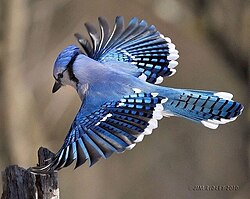
Short and rounded, elliptical wings are designed for high maneuverability in confined spaces, such as dense forests. These are common in passerines (perching birds) and forest raptors like Accipiter hawks. They are also utilized by birds that require rapid takeoffs to escape predators, such as partridges and pheasants.
High-Speed Wings
These wings are short and pointed. When paired with heavy wing loading and rapid wingbeats, they allow for high-speed flight, albeit at a higher energy cost. This morphology is seen in ducks and auks (which use their wings to "fly" underwater). The peregrine falcon utilizes a variation of this, partially closing its wings to reach dive speeds of 242 mph.
High Aspect Ratio Wings
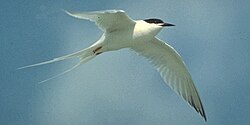
Long and narrow, high aspect ratio wings provide maximum efficiency for long-duration flights. Combined with low wing loading, they enable slow flight or hovering, as seen in terns, kestrels, and nightjars. Many seabirds use these wings for dynamic soaring, leveraging wind shear (variation in wind speed at different altitudes) to maintain lift over ocean waves.
Soaring Wings with Deep Slots
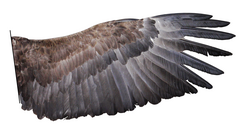
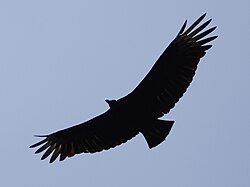
Favored by large inland birds like vultures, eagles, and storks, these wings feature deep slots between the primary feathers. These slots reduce induced drag and wingtip vortices by capturing air flowing from the lower to the upper wing surface. This design allows for efficient soaring while maintaining a wing size that facilitates easier takeoff compared to high aspect ratio wings.
Wing Comparison Summary
| Wing Type | Characteristics | Primary Advantage | Example Species |
|---|---|---|---|
| Elliptical | Short, rounded | Maneuverability | Blue Jay, Accipiter hawks |
| High-Speed | Short, pointed | Velocity | Ducks, Peregrine Falcon |
| High Aspect Ratio | Long, narrow | Energy Efficiency | Roseate Tern, Albatross |
| Soaring (Slotted) | Broad, slotted tips | Lift/Reduced Drag | Black Vulture, Eagles |
Traumatology and Behavioral Adaptations
Because flight is critical for survival, wing injuries are often crippling, preventing birds from feeding or avoiding predators. Symptoms include wing droop, unusual positioning, and general distress. While specialized veterinary care is required, permanent injuries may lead to euthanasia. In birds of prey, surgical interventions like amputation can lead to severe long-term complications or death.
Interestingly, some birds use the perception of injury to their advantage. The killdeer performs injury-feigning; a parent will simulate a wing fracture to lure predators away from its nest, leading the predator to attack the healthy adult instead of the eggs or chicks.
Frequently Asked Questions
What is the purpose of the alula?
The alula is a small group of feathers on the first finger that acts like the slats on an airplane wing, helping the bird maintain lift and control during slow flight or landing.
How does wing loading affect flight?
Wing loading is the ratio of a bird's weight to its wing area. High wing loading generally requires faster flight speeds to stay airborne, while low wing loading allows for slower, more efficient flight or hovering.
Why do large soaring birds have slots in their wings?
The slots between the primary feathers reduce induced drag and wingtip vortices, allowing large birds like vultures and eagles to soar efficiently for long periods.
What is the difference between aspect ratio and wing loading?
Aspect ratio refers to the shape of the wing (the ratio of span to chord), whereas wing loading refers to the relationship between the bird's total body mass and the surface area of its wings.
Which bird is the fastest in powered flight?
The spine-tailed swift holds the record for the fastest straight, powered flight, reaching speeds of 105 mph (170 km/h).