Biomass: Composition, Energy Conversion, and Ecological Impact
Biomass is organic material produced through the growth of plants, animals, or microorganisms. While the general definition is broad, its application varies significantly across different industries. In some contexts, it refers exclusively to plant matter, while in others, it encompasses a combination of all biological origins. Because it is derived from living organisms, biomass serves as a critical link between biological growth and industrial utility.
Key Facts
- Biomass consists of organic material from plants, animals, and microbes.
- It is a renewable energy source, though it has lower energy density and higher oxygen content than fossil fuels.
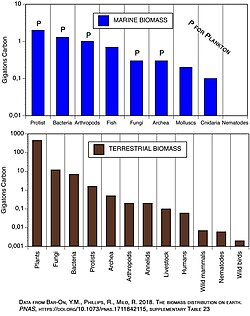
- Global biosphere biomass is estimated at approximately 550 gigatons of carbon (Gt C).
- Terrestrial plants make up the majority of Earth's biomass, accounting for roughly 450 Gt C.
- Biofuels are categorized into first-generation (food-based) and second-generation (waste/non-food based) sources.
Composition and Sources of Biomass
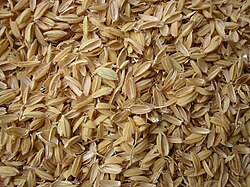
The chemical and physical makeup of biomass depends entirely on its biological origin. Plant-based biomass is primarily composed of cellulose, hemicellulose, and lignin (complex organic polymers that provide structural support), with smaller amounts of proteins, fats, and minerals. In contrast, animal-derived biomass is characterized by proteins, fats, and connective tissues.
While biomass is biological by nature, anthropogenic activities—human-driven environmental changes—can sometimes introduce non-biological contaminants into these materials.
The following table categorizes the primary types of biomass and their common sources:
| Category | Examples |
|---|---|
| Woody biomass | Trees, branches, bark, sawdust |
| Herbaceous & agricultural biomass | Grasses, straw, husks, shells, crops |
| Aquatic biomass | Algae, aquatic plants, fish, molluscs |
| Animal-derived biomass | Manure, fats, bones, carcasses |
| Microbial biomass | Algae, cyanobacteria, bacteria, yeast |
| Waste-derived biomass | Municipal waste, sewage, waste construction wood |
Biomass in Energy and Conversion Processes
As a form of renewable energy, biomass is utilized as a fuel and a feedstock for various chemical products. However, it differs from coal and petroleum in two key ways: it has a lower overall energy content and a higher oxygen content, meaning its carbon is effectively partially combusted.
First-Generation Biofuels
First-generation biomass consists of energy-dense plants and oils, such as corn, sugarcane, and rapeseed. These are ideal for producing bio-ethanol and biodiesel due to their high sugar and oil content. However, this approach creates a conflict between fuel and food production, as using arable land for fuel can inflate crop prices and reduce food availability for humans and animals.
Second-Generation Biofuels
Second-generation biomass includes a broader range of materials, from pure sources like grass and wood chippings to complex solid waste streams. While these materials are more difficult to convert into useful products due to their varied chemical mixtures, they are the focus of intense research. The goal is to recover value from materials that would otherwise be wasted through incineration.
Biomass in Ecology and Environmental Science
In the field of ecology, biomass refers to the total mass of biological organisms within a specific environment or ecosystem. Rather than simple weight, ecologists typically express this as the total weight of carbon contained within the organisms.
A 2017 estimate placed the total biomass of the biosphere at approximately 550 gigatons of carbon. The vast majority of this is found in terrestrial plants (approx. 450 Gt C). To measure this on a global scale, scientists use remote sensing techniques, such as the Normalized Difference Vegetation Index (NDVI), which estimates biomass by analyzing reflected light from vegetation.
Specialized Applications of Biomass
Beyond energy and ecology, the term "biomass" is used in specific technical fields:
- Wastewater Treatment: In processes like activated sludge, biomass refers to the mass of bacteria and microorganisms that break down pollutants in sewage.
- Textiles: Waste biomass fibers are being explored as a source for cleaner textile production.
- Aerospace: "Biomass" is also the name of an Earth observation satellite.
Frequently Asked Questions
What is the difference between first and second-generation biomass?
First-generation biomass comes from food crops like corn and sugarcane, which are easy to process but compete with food supplies. Second-generation biomass comes from non-food sources, such as wood waste and grasses, which are harder to process but more sustainable.
How does biomass energy compare to fossil fuels?
Biomass is renewable, whereas fossil fuels are not. Chemically, biomass has a higher oxygen content and a lower energy density compared to coal or petroleum.
How is biomass measured in ecological studies?
Ecologists typically measure biomass as the total weight of carbon contained within a group of organisms in a given area, often using satellite-based tools like the Normalized Difference Vegetation Index (NDVI).
What are the primary chemical components of plant biomass?
Plant biomass is mainly composed of cellulose, hemicellulose, and lignin, with smaller amounts of minerals, waxes, fats, and proteins.