Benjamin Butler: The Controversial General and Political Powerhouse
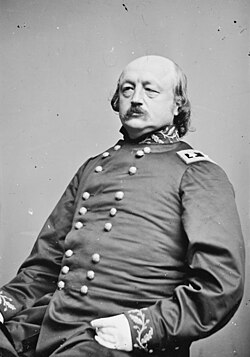
Benjamin Franklin Butler was one of the most polarizing figures of 19th-century America. A man of immense ambition and versatility, he navigated the highest echelons of military, legal, and political life. From his role as a political general in the Union Army during the American Civil War to his leadership in the impeachment of President Andrew Johnson, Butler was a catalyst for conflict and a champion of radical reform.
Born in New Hampshire and raised in Lowell, Massachusetts, Butler combined a legal mind with a populist streak. Throughout his career, he shifted political allegiances—moving between the Democratic, Republican, and Greenback parties—always seeking to challenge the established order and advocate for the marginalized, even as his methods drew fierce criticism from both allies and enemies.
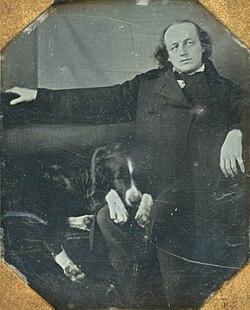
Key Facts
- Military Rank: Major General of the Union Army.
- Political Offices: 33rd Governor of Massachusetts and five-term U.S. Representative.
- Legal Legacy: Lead prosecutor in the impeachment trial of Andrew Johnson.
- Legislative Impact: Authored the Ku Klux Klan Act of 1871 and coauthored the Civil Rights Act of 1875.
- Political Ideology: Known as "Butlerism," a blend of Radical Republicanism, populism, and support for women's suffrage.
Military Career in the Civil War
Butler's military journey began long before the Civil War as a private in the Lowell militia in 1840. Though he lacked extensive professional military training, his political connections and leadership of Irish American regiments propelled him upward. By the time the Civil War erupted, he was a prominent figure in Massachusetts.
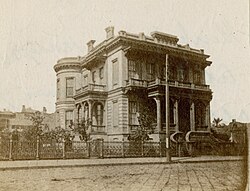
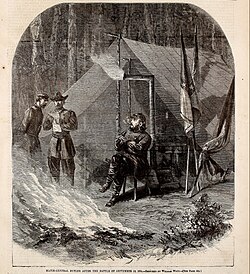
Butler's service was marked by high-profile assignments and significant controversy. He played a role in the Baltimore operations of 1861 and commanded the Department of Virginia, where he established a presence at Fort Monroe. His tenure in New Orleans as head of the Department of the Gulf was particularly noted for his strict civil administration, the seizure of cotton, and the execution of William Mumford.
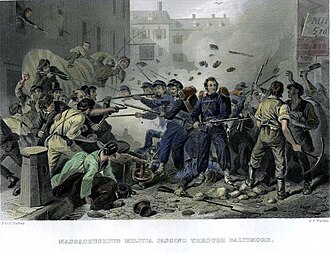
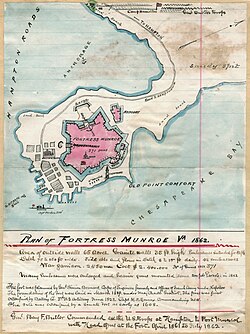
While he achieved success in the capture of New Orleans, his military reputation suffered during the Bermuda Hundred Campaign and the First Battle of Fort Fisher. The latter failure led President Abraham Lincoln, at the request of General-in-Chief Ulysses S. Grant, to relieve Butler of his army posts.
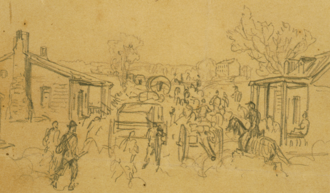
Political Ascent and the Impeachment of Andrew Johnson
Following his military career, Butler transitioned into national politics as a Radical Republican—a faction that advocated for the complete dismantling of the Southern slave economy and the protection of civil rights for formerly enslaved people. He viewed President Andrew Johnson's Reconstruction policies as far too lenient toward former Confederates.
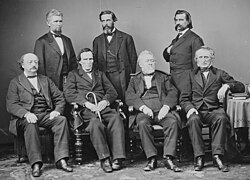
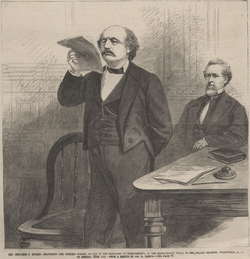
Butler became a leading voice for the impeachment of President Johnson. When the process began in 1868, Butler served as the lead prosecutor among the House-appointed impeachment managers. He argued that Johnson had usurped the powers of Congress and failed to enforce the Civil Rights Act of 1866.
Legislative Achievements
Beyond the impeachment trial, Butler used his position in the House of Representatives to push for systemic change. As Chairman of the House Select Committee on Reconstruction, he authored the Ku Klux Klan Act of 1871 to combat racial terrorism and coauthored the Civil Rights Act of 1875. He also championed women's suffrage, notably sponsoring Victoria Woodhull's testimony before Congress to argue that the 14th and 15th Amendments implicitly granted women the right to vote.
Governor of Massachusetts and Later Years
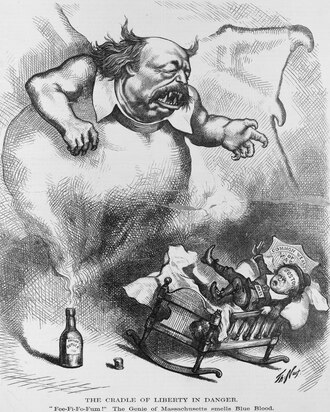
Butler's relationship with the Massachusetts political establishment was often volatile. His populist style and support for greenbacks (paper money issued by the government not backed by gold) alienated conservative Republicans. After being denied several nominations for governor, he returned to the Democratic Party.
In 1882, with the combined support of the Democratic and Greenback parties, Butler was elected as the 33rd Governor of Massachusetts. His term lasted from January 4, 1883, to January 3, 1884. He later sought the presidency in 1884 on the Greenback and Anti-Monopoly tickets, though he was unsuccessful.
In his final years, Butler focused on his memoirs, Butler's Book, published in 1892. The massive volume served as a vigorous defense of his military and political record. He died on January 11, 1893, at the age of 74.
Summary of Benjamin Butler's Career
| Domain | Key Roles / Achievements | Notable Events |
|---|---|---|
| Military | Major General, Union Army | Capture of New Orleans, Battle of Fort Fisher |
| Legislative | U.S. Representative (MA) | Ku Klux Klan Act (1871), Civil Rights Act (1875) |
| Judicial/Legal | Lead Impeachment Manager | Impeachment trial of Andrew Johnson |
| Executive | 33rd Governor of Massachusetts | Elected 1882 with Greenback support |
Frequently Asked Questions
Why was Benjamin Butler a controversial military leader?
Butler was often viewed as a "political general" rather than a professional soldier. While he was effective in administrative and occupational roles, such as in New Orleans, his tactical failures in battles like Fort Fisher led to his eventual removal from command by President Lincoln.
What was "Butlerism"?
Butlerism refers to the populist political ideology associated with Benjamin Butler. It combined elements of Radical Republicanism, support for Irish nationalism, advocacy for women's suffrage, and a preference for monetary inflation (greenbacks) to help the working class.
What role did Butler play in the impeachment of Andrew Johnson?
Butler was a primary driver of the impeachment effort. He served as the lead prosecutor (impeachment manager) during the Senate trial, arguing that President Johnson had unconstitutionally usurped congressional power and failed to protect civil rights.
Which major laws did Benjamin Butler help create?
Butler authored the Ku Klux Klan Act of 1871, designed to suppress the violence of the KKK, and coauthored the Civil Rights Act of 1875, which aimed to guarantee equal access to public accommodations.
How did Butler's political party affiliation change over time?
Butler's political journey was fluid; he began as a Democrat, became a Republican during the Civil War era (specifically a Radical Republican), later aligned with the Greenback Party, and eventually returned to the Democratic Party toward the end of his life.