Babylonia: The Rise and Fall of Mesopotamia's Great Cultural Power
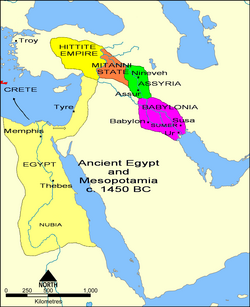
Babylonia was a formidable Akkadian-speaking state and cultural hub centered around the city of Babylon in central-southern Mesopotamia, located in modern-day Iraq and parts of Syria. Emerging around 1894 BC as an Akkadian-populated region ruled by Amorites (a Semitic-speaking people), it became one of the most influential civilizations of the ancient world. To evoke the prestige of the earlier Akkadian Empire, the region was often referred to as māt Akkadī, or "the country of Akkad."
Throughout its long history, Babylonia existed in a state of constant tension and rivalry with the linguistically related state of Assyria to the north and Elam to the east. While it experienced periods of absolute regional dominance, it also suffered repeated conquests, sacks, and periods of political fragmentation.
![Hammurabi (standing), depicted as receiving his royal insignia from Shamash (or possibly Marduk). Hammurabi holds his hands over his mouth as a sign of prayer[8] (relief on the upper part of the stele of Hammurabi's code of laws).](/images/be/a5/bea55084486ad41b2fbf370a2078fd36e9e5b33cc1ed2e8f5f779cf36588e335.jpg)
Key Facts
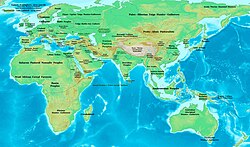
- Timeline: Established c. 1894 BC; fell to the Achaemenid Empire in 539 BC.
- Capital: Babylon.
- Languages: Akkadian, Sumerian, and Aramaic.
- Key Rulers: Hammurabi, Nebuchadnezzar I, and Nebuchadnezzar II.
- Geography: Central-southern Mesopotamia (modern Iraq).
The First Babylonian Dynasty and the Empire of Hammurabi
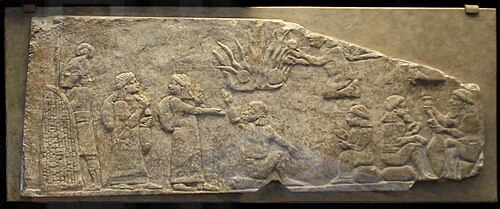
The first dynasty of Babylon was established by the Amorites. The most significant figure of this era was Hammurabi (fl. c. 1792–1752 BC or 1696–1654 BC), who transformed a small kingdom into a short-lived but powerful empire. He succeeded the influence of the Third Dynasty of Ur and the Old Assyrian Empire, briefly making Babylon the primary power in the region.
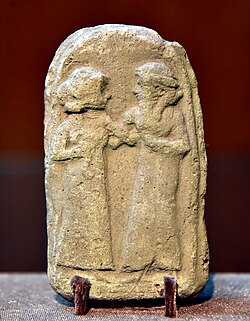
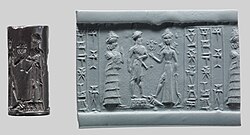
![Old Babylonian Cylinder Seal, hematite. The king makes an animal offering to Shamash. This seal was probably made in a workshop at Sippar.[37]](/images/4b/8b/4b8b35567b2886330a2882b9a99aae9575a4074922959b6178330fb400d7654a.jpg)
However, the empire lacked natural, defensible boundaries, leaving it vulnerable. Following Hammurabi's death, the state disintegrated. His successor, Samsu-iluna, lost the far south to the native Akkadian-speaking Sealand Dynasty, which remained independent for 272 years.
The Sack of Babylon
The first dynasty ended catastrophically around 1595 BC (middle chronology) when Mursili I, the king of the Hittite Empire, marched on Akkad and sacked Babylon. This event is a critical marker in ancient Near East chronology, though dates vary across different scholarly chronologies (ranging from the ultra-short 1499 BC to the ultra-long 1736 BC).
The Kassite and Early Iron Age Periods
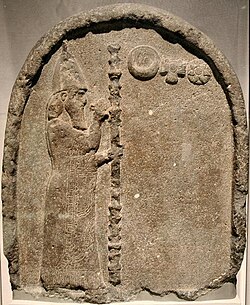
Following the Hittite sack, the Kassite dynasty (1595–1155 BC) took control. This era was marked by complex diplomacy and conflict with the Middle Assyrian Empire. While some Kassite kings maintained friendly ties with Egypt and the Hittites, others were deposed or became vassals to Assyria. The dynasty eventually collapsed after the Elamite ruler Shutruk-Nahhunte sacked the city and slew the king.
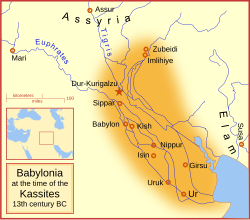
The subsequent Second Dynasty of Isin (1155–1026 BC) saw the return of native Akkadian-speaking rule. Nebuchadnezzar I (1124–1103 BC) was the most prominent leader of this period, famously defeating the Elamites and recovering the sacred statue of Marduk from Susa. Despite these victories, the region later suffered from famine and migrations of Aramaeans and Suteans, leading to a period of chaos and anarchy between 1026 and 911 BC.
Assyrian Domination and the Neo-Babylonian Empire
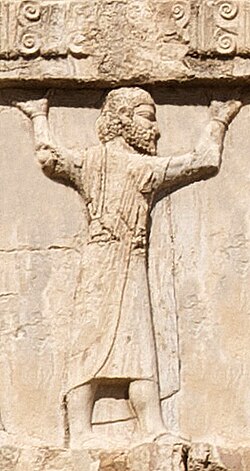
From 911 BC, the Neo-Assyrian Empire exerted heavy control over Babylonia. For three centuries, Babylonian kings were either vassals or directly replaced by Assyrian rulers. This period was characterized by cycles of revolt and brutal suppression, including the destruction of the city by various Assyrian monarchs.
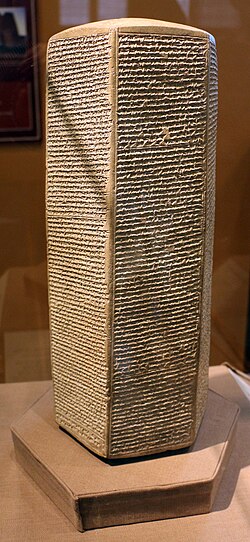
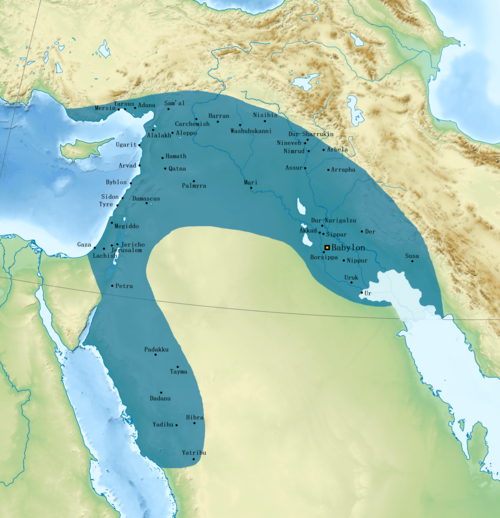
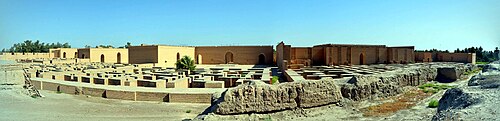
The tide turned when Nabopolassar, a Chaldean chieftain, led a successful revolt against the crumbling Assyrian state. This gave rise to the Neo-Babylonian Empire (also known as the Chaldean Empire). This era is best remembered for the architectural splendors of Nebuchadnezzar II, who rebuilt Babylon into one of the wonders of the ancient world.
The Final Fall
The Neo-Babylonian glory was short-lived. The empire fell in 539 BC to the Achaemenid Empire. Later, in 333 BC, Alexander the Great conquered the city, and it eventually became part of the Seleucid and later the Parthian Empires.
Cultural and Scientific Contributions
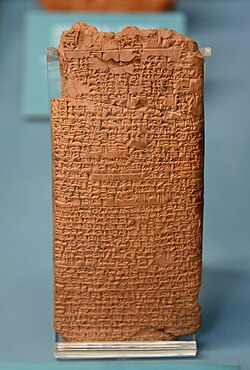
Babylonia was a center of intellectual achievement. In Astronomy and Mathematics, they developed sophisticated systems that influenced later Greek and Islamic science. Their Medicine was documented on terracotta tablets, including recipes for treating poisoning.
Their art and architecture were renowned, utilizing cylinder seals for administration and creating massive palaces and temples that served as symbols of royal and divine power.
| Period/Dynasty | Approx. Dates | Key Characteristic | Major Ruler |
|---|---|---|---|
| First Dynasty (Amorite) | 1894–1595 BC | Rise of the first empire | Hammurabi |
| Kassite Dynasty | 1595–1155 BC | Long-term stability and Assyrian rivalry | Kurigalzu II |
| Second Dynasty of Isin | 1155–1026 BC | Native Akkadian revival | Nebuchadnezzar I |
| Neo-Assyrian Rule | 911–619 BC | Period of vassalage and conquest | Sargon II |
| Neo-Babylonian Empire | 626–539 BC | Architectural peak (Chaldean) | Nebuchadnezzar II |
Frequently Asked Questions
Who was the most famous king of early Babylonia?
Hammurabi is the most famous early ruler, known for creating a short-lived empire and establishing a comprehensive set of laws.
What is the difference between the Babylonian and Assyrian empires?
While both were Akkadian-speaking Mesopotamian civilizations, Assyria was located in Upper Mesopotamia (north) and was often more militaristic, while Babylonia was located in central-southern Mesopotamia and was a major cultural and religious center.
What happened to Babylon after the Neo-Babylonian Empire fell?
It was conquered by the Achaemenid Empire in 539 BC, later taken by Alexander the Great in 333 BC, and eventually absorbed into the Seleucid and Parthian Empires.
What were the primary languages spoken in Babylonia?
The official languages were Akkadian, Sumerian, and later Aramaic.
Who were the Chaldeans?
The Chaldeans were a group that settled in southeastern Mesopotamia around 850 BC and eventually established the Neo-Babylonian Empire under Nabopolassar.