Audubon Zoo: A New Orleans Landmark of Wildlife and Conservation
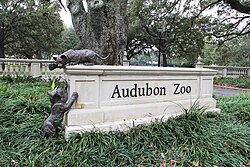
Located in the heart of Uptown New Orleans, the Audubon Zoo is a premier wildlife destination and a vital part of the Audubon Nature Institute. Spanning 58 acres within the scenic Audubon Park, the zoo is home to over 2,000 animals and serves as a center for education and conservation. Named after the renowned naturalist and artist John James Audubon, who resided in New Orleans starting in 1821, the zoo offers visitors a journey through diverse global ecosystems.
The zoo is strategically positioned on the Mississippi River side of Magazine Street, providing a lush escape for locals and international tourists alike. As a member of the Association of Zoos and Aquariums (AZA) and the World Association of Zoos and Aquariums (WAZA), it adheres to high standards of animal care and scientific research.
Key Facts
- Location: New Orleans, Louisiana, USA.
- Established: Opened in 1914.
- Size: 58 acres (23 hectares).
- Animal Population: Over 2,000 animals.
- Affiliations: AZA and WAZA member.
- Unique Feature: Famous for its leucistic (white) alligators.
A Century of Evolution
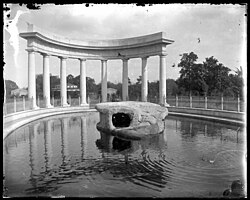
While the site hosted animal exhibits as early as the 1884 World Cotton Centennial Exhibition, the modern zoo began taking shape in the early 20th century. The 1920s saw a period of growth, including the addition of a flight cage in 1916 and a sea lion pool in 1928. Some of these Art Nouveau architectural elements remain visible today.
During the Great Depression, the Works Progress Administration (WPA) funded a $400,000 expansion. This era introduced many new cages and the creation of "Monkey Hill," an artificial hill designed for children in the flat landscape of New Orleans. Though some claim it is the highest point in the city, it competes with another artificial hill in City Park for that title.
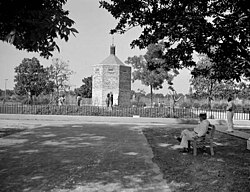
By the 1970s, the zoo faced decay, with outdated brick and steel cages. A public movement led to a 1975 voter-approved measure to rebuild and expand the grounds from 14 to 50 acres. This revitalization transformed the facility into one of the finest zoos in the United States. In 1975, the funk band The Meters released "They All Ask'd for You," which became the zoo's unofficial theme song.
The White Alligators
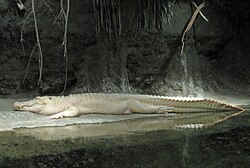
In 1987, the zoo gained international fame when an alligator nest was found containing 18 hatchlings with white hides. This condition is known as leucism—a genetic mutation that results in the loss of pigmentation—which is distinct from albinism. These rare animals became symbols of the zoo, with some later transferred to the Audubon Aquarium in 1990.
Resilience Through Hurricane Katrina
The zoo's disaster planning was put to the test during Hurricane Katrina in 2005. Because the facility is located on high ground atop a natural river levee and featured a weather-resistant reptile house, the damage was minimal. Only three animals died, and the zoo was able to reopen for Thanksgiving weekend in November 2005.
Major Exhibits and Attractions
Asian Domain and World of Primates
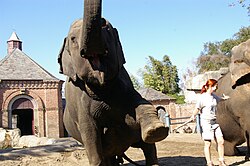
The Asian Domain features Sumatran orangutans, Asian elephants, Amur leopards, sun bears, and Malayan tigers. Nearby, the World of Primates houses a diverse collection, including western lowland gorillas, mandrills, and the only Angolan talapoins in North America.
African Savanna and South American Pampas
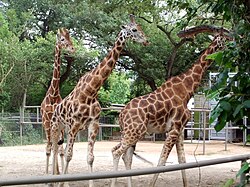
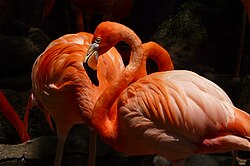
The African Savanna begins with the Watoto Walk petting zoo, followed by habitats for giraffes, lions, African wild dogs, and white rhinos. The South American Pampas features a boardwalk over ponds inhabited by Caribbean flamingos and pelicans, alongside animals like capybaras and Baird's tapirs.
Jaguar Jungle and the Nocturnal House
The Jaguar Jungle is themed after a ruined Mayan temple and houses jaguars, giant anteaters, and scarlet macaws. In 2019, the zoo added "Criaturas de la Noche," a nocturnal house featuring vampire bats, night monkeys, and various poison arrow frogs.
Louisiana Swamp and Reptile Encounter
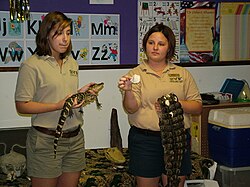
The Louisiana Swamp exhibit showcases native species such as American black bears, cougars, and both normal and leucistic American alligators. The Reptile Encounter is home to the Komodo dragon, Gila monsters, and green anacondas.
Audubon Aviary and Sea Lion Theater
The Audubon Aviary is a free-flight space for over 30 bird species, including scarlet ibises and Indian peafowl. At the Sea Lion Theater, visitors can see California sea lions, including rescued females Ayah and Jolee.
Zoo Overview Summary
| Category | Details |
|---|---|
| Management | Audubon Nature Institute |
| Total Area | 58 Acres |
| Animal Count | 2,000+ |
| Key Exhibits | African Savanna, Asian Domain, Louisiana Swamp, Jaguar Jungle |
| Accreditations | AZA, WAZA |
Frequently Asked Questions
What is the difference between leucism and albinism in the zoo's alligators?
Leucism is a natural mutation that results in a partial loss of pigmentation, creating white hides, whereas albinism is a complete lack of melanin. The famous white alligators at Audubon Zoo are leucistic.
How did the zoo survive Hurricane Katrina?
The zoo survived with minimal damage due to its location on high ground (a natural river levee) and extensive disaster planning, including a reptile house designed to withstand major weather events.
What is Monkey Hill?
Monkey Hill is an artificial hill built by the Works Progress Administration during the Great Depression. It serves as a landmark and attraction for children, featuring a waterfall and a safari outpost.
Which rare primates can be found at the Audubon Zoo?
The zoo is home to a wide variety of primates, most notably the Angolan talapoins, which are the only ones of their kind in North America.
Is the Audubon Zoo part of a larger organization?
Yes, it is managed by the Audubon Nature Institute, which also oversees the Audubon Aquarium, the Louisiana Nature Center, and the Freeport-McMoran Species Survival Center.