Atacameño People: History and Culture of the Likanantaí
The Atacameño, also known as the Likanantaí or Kunza, are an Indigenous people native to the high-altitude landscapes of the Atacama Desert and the altiplano. Their ancestral lands span the northern regions of Chile and Argentina, as well as southern Bolivia, with a particularly strong presence in Chile's Antofagasta Region.
Resilient and adaptable, the Atacameño developed a sophisticated society capable of thriving in one of the most arid environments on Earth. From their early origins to their modern-day representation in government, the Likanantaí continue to maintain a distinct cultural identity rooted in the Andean highlands.
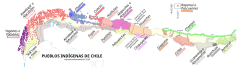
Key Facts
- Alternative Names: Likanantaí and Kunza.
- Primary Locations: Northern Chile, Northwest Argentina, and Southern Bolivia.
- Population: 30,369 in Chile (2017) and 13,936 in Argentina (2010).
- Original Language: Kunza (now extinct).
- Key Settlement: San Pedro de Atacama.
- Traditional Architecture: Pukara (strong stone walls).
Historical Evolution
The roots of Atacameño culture date back to approximately 500 AD. Over the centuries, the region was shaped by various waves of conquest and cultural exchange. The Tiwanaku people were the first known conquerors of the area, followed in the 15th century by the Incan emperor Topa Inca Yupanqui.
The Inca conquest introduced a new social order, the Inca sun cult, and the use of coca leaves. To integrate the region, the Inca regime constructed an extensive road network stretching from the Salar de Atacama to what is now northeast Argentina.
European contact began in 1536 with the arrival of Spanish conquistadors under Diego de Almagro, and the region was officially annexed by Spain in 1557. Resistance continued into the 18th century, with the Atacameño leader Tomás Paniri joining uprisings led by Túpac Amaru II and Túpac Katari. After a period of being part of Bolivia in 1824, the region fell under Chilean control in 1879.
In a modern milestone for political representation, Ximena Anza was elected in 2021 to a reserved seat in the Constitutional Convention to represent the Atacameño people.
Culture and Society
Architecture and Craftsmanship
To protect their villages, the Atacameño built pukara—strong stone walls (a term derived from Quechua). They were also skilled artisans, producing gold work and copper crafts using materials extracted from Chuquicamata. Many of their historic settlements remain today, including Quitor, Chiu-Chiu, Lasana, and the prominent hub of San Pedro de Atacama.
Language and Communication
The original language of the people was Kunza, which is now extinct. However, linguistic remnants persist; in small settlements around the Salar de Atacama and Cordillera Domeyko, some residents speak a version of Spanish that lacks yeísmo (the merging of the 'll' and 'y' sounds), a feature that distinguishes it from standard Chilean Spanish.
Cuisine and Agriculture
The Atacameño were primarily llama and alpaca herders, utilizing these animals for meat, hide, wool, and transport. To combat the arid terrain, they implemented terraced agriculture to prevent water run-off, growing crops such as potatoes, quinoa, corn, beans, chili, zucchini, pumpkins, melon, and tobacco.
They utilized guano from seabirds as fertilizer, transporting it inland via llama. Their diet was supplemented by trading ch'arki (dried, salted meat) with coastal peoples in exchange for fish and shellfish.
Artistic and Religious Traditions
Ceramic Periods
Atacameño pottery evolved through three distinct phases:
- First Period (400 AD – 900 AD): Characterized by pink glazed pottery, anthropomorphic jugs, and gold cups.
- Second Period (900 AD – 1200 AD): Influenced by the Tiwanaku culture, this era featured black glaze pottery and tablets used for inhaling hallucinogens from the San Pedro cactus and Huilco tree.
- Third Period (1200 AD – 1500 AD): Marked by Incan influence and the construction of stone pukara fortresses.
Spiritual Beliefs
Religion was deeply tied to the natural world and the divine. The Atacameño adopted the Inca sun cult and built altars in high places, most notably on the Licancabur volcano, which was viewed as the home of the gods. Rituals often involved smoking hallucinogenic substances to achieve a spiritual connection with gods, believing it allowed them to assume the power of snakes, cats, or birds.
They also believed in an afterlife, burying their deceased with the belongings necessary for their journey beyond.
Preservation and Heritage
San Pedro de Atacama remains the primary oasis settlement and the heart of cultural development. Today, the R.P. Gustavo Le Paige Archeological Museum preserves the legacy of the Likanantaí. Founded in 1963 by Belgian Jesuit priest Gustavo Le Paige, the museum houses over 380,000 pieces of ceramics, textiles, and metallic artifacts, as well as mummies.
| Country | Population | Census Year |
|---|---|---|
| Chile | 30,369 | 2017 |
| Argentina | 13,936 | 2010 |
Frequently Asked Questions
What is the difference between the names Atacameño and Likanantaí?
They refer to the same Indigenous group. Atacameño is a common name derived from the Atacama region, while Likanantaí is another name used by the people to describe themselves.
What was the Kunza language?
Kunza was the original language of the Atacameño people. While it is now considered extinct, some linguistic influences remain in the local Spanish spoken in traditional lands.
How did the Atacameño survive in the desert?
They used terraced agriculture to manage water and raised llamas and alpacas for food and transport. They also traded dried meat (ch'arki) with coastal communities for seafood.
What are pukaras?
Pukaras are strong stone walls or fortresses used by the Atacameño to protect their villages, a construction style influenced by Quechua traditions.
Which volcano was sacred to the Atacameño?
The Licancabur volcano was considered sacred and was believed to be the home of their gods, leading the people to construct altars at its high elevations.