Assyrians: History, Culture, and the Global Diaspora
The Assyrians are an indigenous people of Mesopotamia, with a legacy that spans millennia. Often distinguished from Syrians, the Assyrians possess a unique ethnic identity rooted in the ancient Near East, characterized by their own distinct languages, religious traditions, and a resilient cultural heritage that has survived numerous imperial shifts and periods of persecution.
From the heights of the Neo-Assyrian Empire to the modern challenges of the 21st century, the Assyrian journey is one of endurance. Today, they exist as a global community, maintaining deep ties to their ancestral homeland while establishing vibrant diaspora populations across the West.
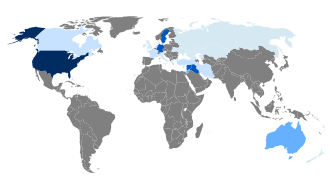
Key Facts
- Total Population: Estimated between 3 to 5 million worldwide.
- Languages: Neo-Aramaic (including Suret and Turoyo) and Syriac.
- Primary Religion: Syriac Christianity, with small minorities of Protestantism and Judaism.
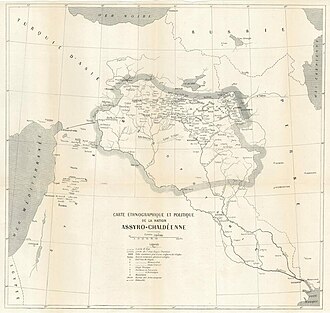
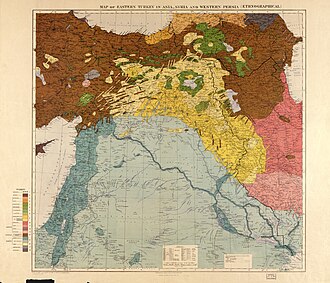
- Homeland: Historically centered in Mesopotamia (modern-day Iraq, Syria, Turkey, and Iran).
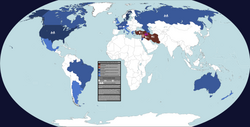
- Major Diaspora Hubs: United States, Sweden, Germany, and Australia.
Historical Evolution
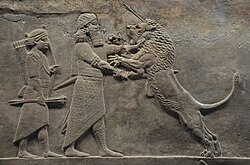
Pre-Christian and Early Eras
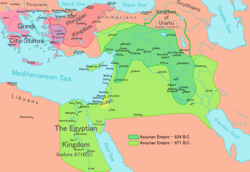
The roots of the Assyrian people lie in the ancient civilizations of Mesopotamia. The Neo-Assyrian Empire represented a pinnacle of political and military power in the region, leaving behind a legacy of monumental art and administration.
The Transition to Christianity
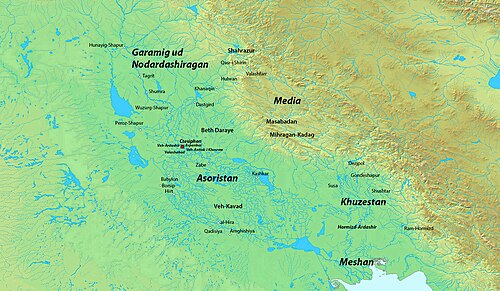
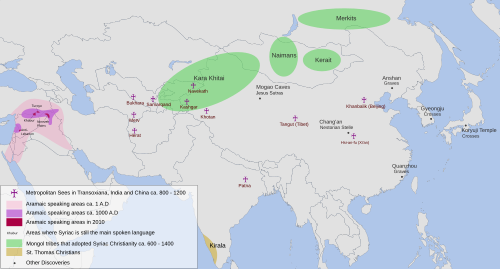
During the early Christian period, the region became a center for Syriac Christianity. This era saw the development of the Syriac language as a liturgical and literary vehicle, facilitating the spread of faith across the Middle East and into Central Asia.
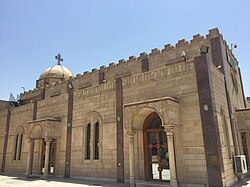
![Mor Mattai Monastery (Dayro d-Mor Mattai) in, Bartella, Nineveh, Iraq. It is recognized as one of the oldest Christian monasteries in existence. It is famous for its magnificent library and a considerable collection of Syriac Christian manuscripts[109]](/images/51/4b/514b54e5e4736cdcca8e316e0db4e8f054922cd2c40dde9824a31a53263e59ff.jpg)
Imperial Shifts and the Islamic Golden Age
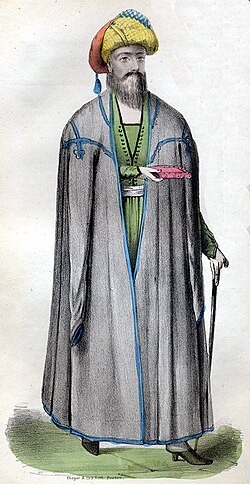
Following the Arab conquests, Assyrians navigated life under various caliphates. During the Islamic Golden Age, Assyrian scholars made significant contributions to science and medicine. For example, Masawaiyh was a prominent Assyrian Nestorian physician who contributed to the intellectual flourishing of the era.
![Masawaiyh, an Assyrian Nestorian physician of the Islamic Golden Age[115][116]](/images/c5/0d/c50d1704229a747c159b82dae4bb44e0d13d1179b667e413908f5be8229329b4.jpg)
The Ottoman Era and the Sayfo
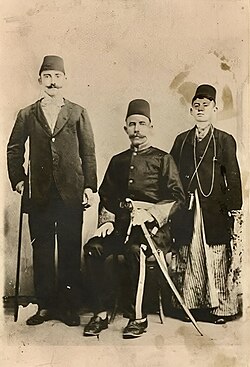
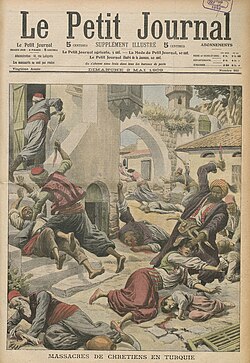
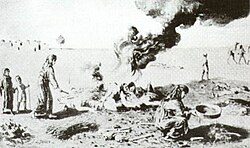
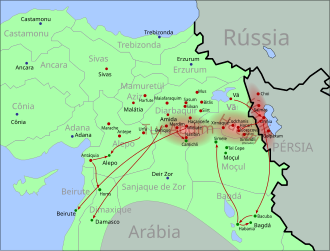
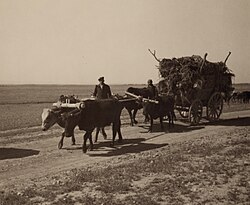
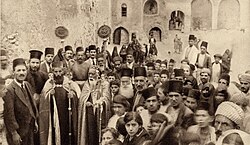
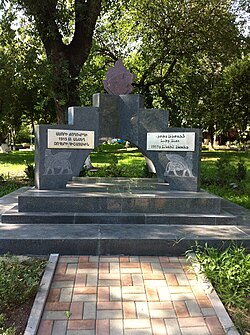
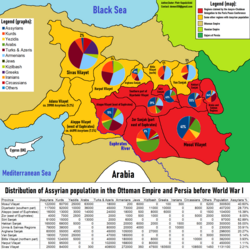
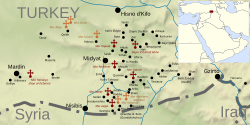
Under Safavid and later Ottoman rule, Assyrians faced increasing instability. The early 20th century marked one of the darkest chapters of their history: the Sayfo (Assyrian Genocide), which occurred alongside the Armenian genocide. This period of massacres and forced displacement decimated their populations in Turkey and Persia.
World War I and the Struggle for Autonomy
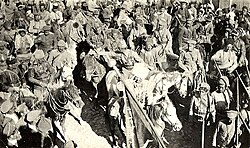
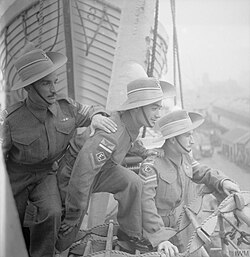
During World War I, some Assyrians fought alongside Allied forces, led by figures such as Agha Petros. Following the war, delegations sought an independent Assyrian state at the 1919 Paris Peace Conference, though these efforts did not result in sovereign statehood.
Demographics and Global Distribution
![Assyrian flag, c. 1920[172][173]](/images/1e/42/1e4232dd515b78da0c481ee1fb4053860f17a4910a77f7e889cc6657e0e4953e.webp)
The Assyrian population has shifted dramatically from its ancestral lands to a global diaspora due to conflict and persecution. While significant populations remain in Iraq and Syria, the majority now reside in Western nations.
| Region/Country | Estimated Population | Status |
|---|---|---|
| United States | 600,000 | Diaspora |
| Syria | 400,000–877,000 | Homeland (Pre-civil war) |
| Iraq | 140,000–600,000 | Homeland |
| Sweden | 150,000–200,000 | Diaspora |
| Germany | 100,000–180,000 | Diaspora |
| Australia | 60,000–70,000 | Diaspora |
| Turkey | 25,000–30,000 | Homeland (Post-1914) |
Identity, Culture, and Religion
Religious Subgroups
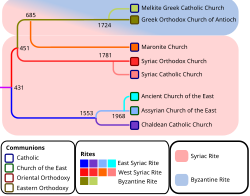
Assyrian identity is closely tied to various branches of the Syriac Christian tradition. These include:
- Chaldeans: Adherents of the Chaldean Catholic Church following the East Syriac Rite.
- Jacobites: Adherents of the Syriac Orthodox Church following the West Syriac Rite.
- Syriac Catholics: Adherents of the Syriac Catholic Church following the West Syriac Rite.
Language and Script
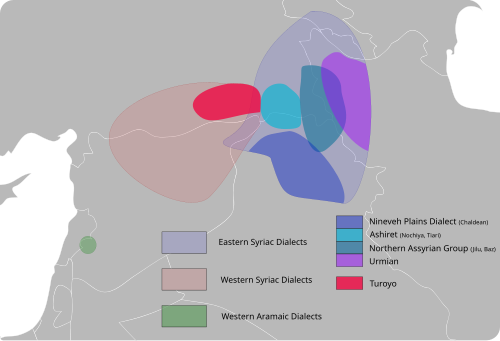
The Assyrians speak Neo-Aramaic, a modern descendant of the Aramaic language. This linguistic heritage is preserved through various dialects and the use of the Syriac script, which remains central to their liturgical and cultural life.
Cultural Traditions
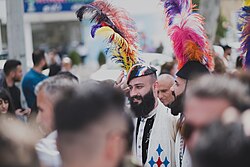
Assyrian culture is expressed through vibrant music, traditional folk dances, and unique festivals. A primary example is the Akitu, the Assyrian New Year festival, which continues to be celebrated both in the homeland and the diaspora.

Frequently Asked Questions
![Assyrian flag, adopted in 1968[274]](/images/11/de/11deb3d8b1c508dfcb997221d6c488b946cab63954f0b281287054e1ab712e96.webp)
![Syriac-Aramean flag[275]](/images/b9/e7/b9e7298764d22ec8e9aab5e5270e99c7092c62513dee627e9a817368af68f19f.webp)
![Chaldean flag, published in 1999[276]](/images/18/1d/181d74e3480f00891718c658fd162d3d6f93ae10de5b888e3c2bd2891a13d9f9.webp)
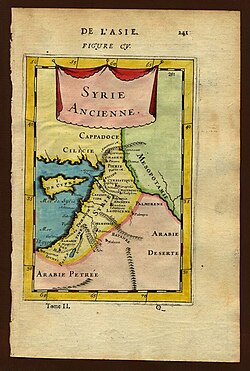
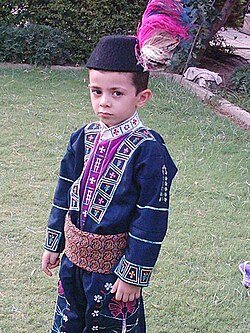
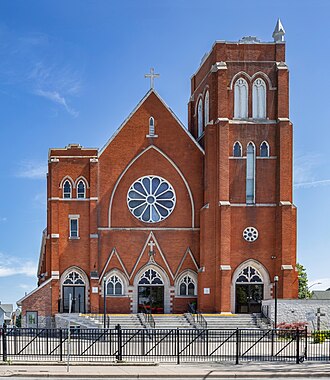
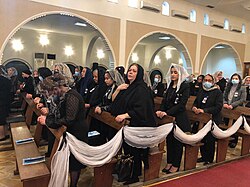

Are Assyrians the same as Syrians?
No. While the names are similar, Assyrians are a distinct ethnic group with a unique linguistic and cultural heritage rooted in ancient Mesopotamia, whereas "Syrian" typically refers to a citizen of the modern nation-state of Syria.
What is the Sayfo?
The Sayfo refers to the Assyrian Genocide that took place during the early 20th century, characterized by massacres and forced deportations of Assyrians, primarily within the Ottoman Empire.
What language do Assyrians speak?
Assyrians speak Neo-Aramaic, which includes dialects such as Suret and Turoyo. Syriac is also used extensively as a liturgical language in their churches.
Which religions are practiced by Assyrians?
The vast majority of Assyrians are Christians, specifically following the Syriac Orthodox, Chaldean Catholic, or Assyrian Church of the East traditions. There are also small minorities of Protestants and Jews.
Where is the largest Assyrian population today?
While they have deep roots in Iraq and Syria, the United States currently hosts one of the largest diaspora populations, with estimates reaching up to 600,000 people.