Arica: Chile's Northernmost Port and the City of Eternal Spring
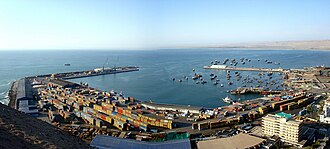
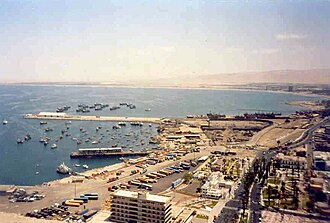
Perched at the edge of the Atacama Desert, Arica is a vibrant port city and commune serving as the capital of both the Arica Province and the Arica y Parinacota Region. Located just 18 kilometers (11 miles) south of the Peruvian border, it sits at a geographical curve known as the Arica Bend or Arica Elbow. This strategic location, where the Azapa and Lluta valleys converge, allows the city to produce citrus and olives for export despite being surrounded by one of the driest places on Earth.
Known as the "City of the Eternal Spring" due to its mild, moderate desert climate, Arica is a place of deep historical layers—from ancient mummification practices to colonial wealth and modern industrial challenges.
Key Facts
- Population: 241,653 (2024 census).
- Geography: Northernmost city in Chile, located in the Arica y Parinacota Region.
- Climate: BWh (Hot desert climate), characterized by extremely low rainfall and maritime winds.
- Ancient History: Home to some of the world's oldest mummies, predating Egyptian mummification by 2,000 years.
- Economy: Centered around its strategic port and agricultural production in the Azapa and Lluta valleys.
Ancient Roots and Colonial Wealth
Archaeological evidence reveals that Arica has been inhabited for 10,000 years. The region is world-renowned for its early cultures that practiced mummification long before the Egyptians. Some of these mummies have been found as shallow as one meter beneath the city's surface.
The Spanish arrived in 1541 under Captain Lucas Martinez de Begazo. By 1545, Arica had become a vital entrepot (a trading post or port) for silver coming from Potosí, Bolivia, which then housed the world's largest silver mine. This immense wealth made the city a prime target for famous pirates and privateers, including Francis Drake and William Dampier.
A Turbulent Political History
Arica's sovereignty has shifted through several eras. After Spanish rule collapsed, the city became part of independent Peru in 1821. During this period, Peru inaugurated the Tacna–Arica railway in 1855, a 53 km line that remains functional today.
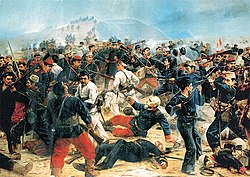
The city's trajectory changed during the War of the Pacific, when Chilean forces occupied the region in 1880. While the Treaty of Ancón (1883) initially granted control to Chile, the final status of the city was settled in 1929 via the Treaty of Lima, which returned Tacna to Peru but left Arica as part of Chile.
Natural Disasters and Geological Risks
Because Arica is located near the Peru–Chile Trench—a subduction zone where the Nazca Plate dives beneath the South American Plate—it is highly susceptible to megathrust earthquakes.
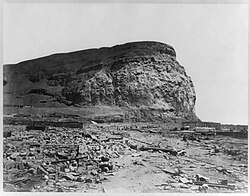
One of the most devastating events occurred on August 13, 1868. This earthquake, estimated between magnitude 8.0 and 9.0, triggered a massive tsunami felt as far away as Japan and New Zealand. The disaster left the city in ruins and resulted in significant loss of life.
Modern Challenges: The Promel Toxic Waste Site
In the mid-1980s, Arica became the site of a severe environmental crisis. The Swedish company Boliden Mineral AB paid a local firm, Promel Ltda., to treat 20,000 tonnes of smelting sludge containing lead, arsenic, cadmium, and mercury. However, Promel abandoned approximately 10,000 tonnes of this toxic waste in the open at a site known as Sitio F.
The area was later used for social housing, and children used the waste site as a playground. By the 1990s, residents began showing symptoms of poisoning. Despite cleanup efforts ending in 2010, the local population continues to suffer from high rates of arsenic-related cancers and other chronic health issues.
Demographics and Economy
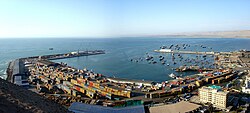
As of 2024, Arica has a population of 241,653, showing a growth of 8.55% since 2017. The city is a melting pot of cultures, including a substantial population of African Chileans. Economically, the city relies on its port facilities and the year-round agricultural output of the Azapa Valley.
| Category | Detail |
|---|---|
| Founded | 1541 by Lucas Martinez de Begazo |
| Total Area | 4,799.4 km² |
| Elevation | 2 meters (6.6 ft) |
| Nickname | Ciudad de la Eterna Primavera |
| Key Industries | Port logistics, Citrus, Olives |
Tourism and Recreation
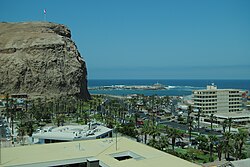
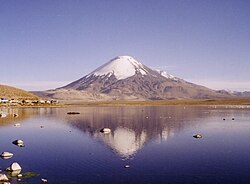
Arica offers a blend of urban attractions and natural wonders. The Morro de Arica remains a primary landmark, while the city serves as the gateway to Lauca National Park. Within this park lies Chungará Lake, the 29th highest lake in the world, sitting at an altitude of approximately 4,517 meters.
For sports enthusiasts, Arica is a recognized surfing destination. It hosted a Rip Curl Pro Search event in 2007 and annually hosts a leg of the International Bodyboarding Association's world tour at the "el flops" surf break.
Frequently Asked Questions
Why is Arica called the "City of Eternal Spring"?
Arica earns this nickname because of its mild, moderate desert climate, which is kept temperate by frequent maritime winds from the cold nearby waters.
What is the significance of the mummies found in Arica?
The mummies found in the region are among the oldest in the world, predating the famous Egyptian mummification practices by approximately 2,000 years.
How did Arica become part of Chile?
Chile seized the city from Peru in 1880 during the War of the Pacific. Its status as Chilean territory was formally recognized by Peru in the 1929 Treaty of Lima.
What happened at the Promel waste site?
Toxic smelting sludge containing arsenic and lead was abandoned in the 1980s. This led to severe long-term health problems, including various cancers, for the residents of the surrounding neighborhood.
What is the Morro de Arica?
The Morro de Arica is a prominent coastal hill and one of the city's major tourist attractions, serving as a landmark for the city's geography and history.