Aloe Vera: Properties, Uses, and Safety Profile
Aloe vera is a well-known succulent plant species belonging to the genus Aloe. Renowned for its thick, fleshy leaves, this plant is widely distributed across the globe and is frequently utilized in cosmetics, traditional medicine, and home gardening. While it is prized for its soothing properties, it is also considered an invasive species in several regions.
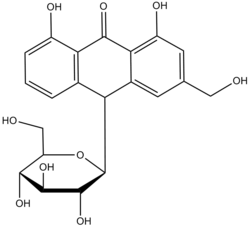
The plant's utility stems primarily from the internal gel found within its leaves, which contains a high concentration of acemannan, a polysaccharide used for various topical applications. However, the plant also contains aloin, a bitter compound found in the latex that can be toxic if not handled correctly.
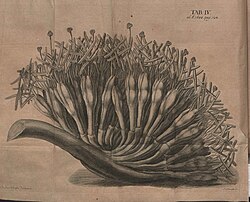
Key Facts
- Scientific Name: Aloe vera (L.) Burm.f.
- Primary Active Component: Acemannan (polysaccharide gel).
- Toxic Component: Aloin (found in the leaf latex).
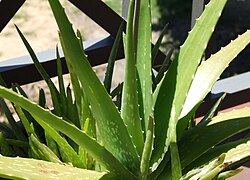
- Growth Habit: Stemless or short-stemmed succulent growing 60–100 cm tall.
- Common Uses: Minor burns, skin abrasions, cosmetics, and moisturizing agents.
- Safety Warning: Whole leaf extract is classified as a possible human carcinogen (Group 2B) by the IARC.
Botanical Description and Taxonomy
The name Aloe is derived from the Arabic alloeh (meaning "bitter and shiny substance") or the Hebrew ahalim. The specific epithet vera comes from the Latin verus, meaning "true." First described by Carl Linnaeus in 1753, the species has several synonyms, including Aloe barbadensis and Aloe indica.
Physical Characteristics
Aloe vera is a succulent that spreads via offsets. Its leaves are characterized by their thick structure and the presence of small teeth along the edges.
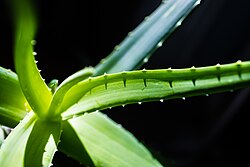
The plant produces yellow, tubular flowers in the summer on spikes that can reach up to 90 cm in height. To enhance nutrient absorption from the soil, Aloe vera forms arbuscular mycorrhiza, a symbiotic relationship between the plant roots and fungi.
Varieties
Different forms of the plant exist, including white-spotted varieties often referred to as Aloe vera var. chinensis.
Cultivation and Distribution
Introduced to southern Europe and China in the 17th century, Aloe vera is now naturalized in arid, tropical, and temperate regions. It is a popular ornamental plant due to its striking form and ability to survive in low-rainfall environments, making it ideal for rockeries.
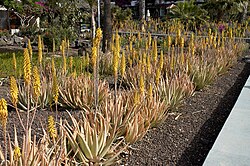
The plant is hardy in USDA zones 8–11 but cannot tolerate heavy snow or severe frost. While generally resistant to pests, it can be affected by aphids, scale insects, mealy bugs, and spider mites. Its horticultural value is recognized by the Royal Horticultural Society's Award of Garden Merit.
Applications and Uses
Aloe vera is used extensively in both commercial and traditional settings. Its primary value lies in its moisturizing emollient effect, which makes it a staple in the cosmetic industry.
Topical and Cosmetic Use
The gel is commonly incorporated into soaps, sunscreens, lotions, shampoos, and facial tissues to reduce chafing and moisturize the skin. It is often used to treat:
- Minor burns and windburn
- Skin abrasions and insect bites
- Symptoms of acne, psoriasis, or rashes
Dietary and Traditional Use
Historically, Aloe vera has been used as a skin treatment since the fourth millennium BCE. In modern commerce, the gel is used in beverages, yogurts, and desserts. However, the use of aloin in over-the-counter laxatives was banned by the FDA in 2002 due to a lack of safety data.
Safety and Toxicity
While topical use is generally safe, the oral ingestion of Aloe vera—particularly non-decolorized whole leaf extract—carries significant risks.
Potential Side Effects
- Topical: Some individuals may experience allergic reactions, including contact dermatitis, itching, or swelling of the face and throat. The gel's acidic pH (4.4 to 4.7) may cause a burning sensation.
- Oral: Ingestion can lead to acute abdominal pain, cramps, and diarrhea. Chronic consumption (e.g., 1 gram per day) has been linked to hepatitis, weight loss, hematuria, and kidney or cardiac disorders.
Regulatory Warnings
The International Agency for Research on Cancer (IARC) classifies whole leaf extract as a possible human carcinogen. Additionally, the California Office of Environmental Health Hazard Assessment lists non-decolorized leaf extract as a chemical known to cause cancer or reproductive toxicity, likely due to the presence of anthraquinones.
Summary of Aloe Vera Characteristics
| Feature | Details |
|---|---|
| Primary Use | Topical skin care and cosmetics |
| Key Beneficial Compound | Acemannan (Polysaccharide) |
| Key Toxic Compound | Aloin (Anthraquinone) |
| Ideal Climate | Arid, Tropical, Temperate (Zones 8–11) |
| Main Risks | Oral toxicity, potential carcinogen (whole leaf), skin allergies |
Frequently Asked Questions
Is Aloe vera safe for everyone to use on their skin?
While generally safe, some people may have allergic reactions. These can range from mild redness and itching (contact dermatitis) to severe reactions involving swelling of the lips, tongue, or throat and difficulty breathing.
Can I eat Aloe vera leaves?
Ingesting whole leaf extract or aloe latex can be toxic. It may cause severe abdominal cramps, diarrhea, and, if consumed chronically, can lead to hepatitis or kidney disorders. It should not be used during pregnancy.
What is the difference between the gel and the latex?
The clear gel is the inner part of the leaf and contains acemannan, which is used for moisturizing and healing. The latex is the yellow, bitter sap found just under the skin of the leaf and contains aloin, which is the toxic component.
Why is Aloe vera considered a possible carcinogen?
The International Agency for Research on Cancer (IARC) and other health agencies have flagged non-decolorized whole leaf extract as a possible carcinogen, likely due to the presence of anthraquinones.
How do I grow Aloe vera at home?
Aloe vera is ideal for low-water gardens or rockeries. It requires well-draining soil and is hardy in zones 8–11. Ensure it is protected from heavy frost and snow, as it is intolerant of extreme cold.