Ahmed Pasha al-Jazzar: The Ottoman Governor Who Defied Napoleon
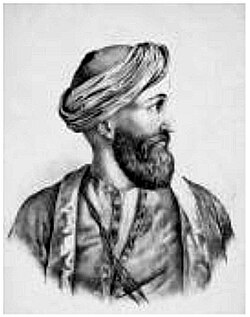
Ahmed Pasha al-Jazzar was one of the most formidable and controversial figures of the 18th-century Ottoman Empire. A man of humble and turbulent origins, he rose through the ranks of military service to become the powerful Wali (governor) of Sidon and Damascus. While often remembered in European accounts as a ruthless despot, his strategic brilliance and iron will played a pivotal role in halting the eastward expansion of Napoleon Bonaparte.
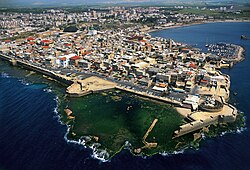
From his headquarters in the fortified city of Acre, al-Jazzar managed a complex network of power, blending Ottoman loyalty with a personalized system of military rule. His life is a study in survival, ambition, and the geopolitical tensions of the Mediterranean frontier.
Key Facts
- Full Name: Ahmed Pasha al-Jazzar.
- Primary Role: Governor (Wali) of Sidon Eyalet (1776–1804) and multiple terms as Governor of Damascus.
- Major Achievement: Successfully defended Acre against Napoleon Bonaparte in 1799.
- Origin: Born in the Bosnia Eyalet of the Ottoman Empire.
- Military Background: Served as a chief enforcer for the Mamluk leader Ali Bey al-Kabir in Egypt.
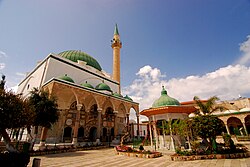
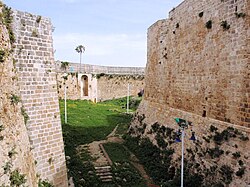
- Architectural Legacy: Built the El-Jazzar Mosque and extensive fortifications in Acre.
Early Life and Rise to Power
Born in the 1720s or 1730s in Fatnica, Bosnia, al-Jazzar's early life was marked by instability. Historical accounts suggest he fled his homeland as a youth following violent disputes. After drifting through Anatolia and working as a sailor, he eventually entered the service of the Mamluks—an elite caste of warrior-slaves who held significant power in Egypt.
In Egypt, al-Jazzar became a protégé and chief assassin for Ali Bey al-Kabir, the region's strongman. However, a rift formed in 1768 when al-Jazzar refused to participate in the assassination of a former master. This defiance forced him to flee to Syria, where he navigated a treacherous path of shifting allegiances between the Ottoman authorities and local rulers like Daher al-Umar.
The Transition to Acre
After the Ottomans eliminated Daher al-Umar, they appointed al-Jazzar as the garrison commander of Acre. He quickly proved his utility by pacifying the Galilee and Mount Lebanon. By 1776, he was appointed governor of Sidon, establishing Acre as his capital and transforming it into a heavily fortified stronghold.
Consolidating Regional Control
Al-Jazzar's rule was characterized by the systematic removal of rivals. He defeated his former ally, Nasif al-Nassar, to secure control over Jabal Amil in southern Lebanon, often destroying the fortresses of local Shia Muslim clans to ensure submission.
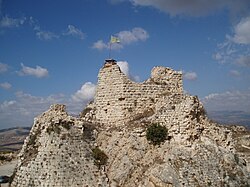
His ambitions extended beyond Sidon. Through a combination of political maneuvering and substantial bribes to officials in Constantinople, he secured the governorship of Damascus on four separate occasions between 1785 and 1804. During these tenures, he frequently clashed with the influential Azm family, striving to centralize power under his own command.
The Siege of Acre: A Turning Point
The defining moment of al-Jazzar's career occurred in 1799 during the French invasion of Egypt and Syria. Napoleon Bonaparte, seeking to expand his empire, marched north through Palestine. After the brutal execution of thousands of al-Jazzar's troops at Jaffa, Napoleon laid siege to Acre.
Al-Jazzar's defense was a masterclass in resilience. He personally engaged in the fighting on the city walls and utilized the city's formidable fortifications. Crucially, he maintained access to the sea, allowing for the arrival of reinforcements and supplies. The intervention of the British Royal Navy, led by Sidney Smith, provided critical artillery support that bombarded French trenches.
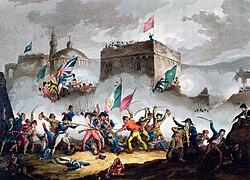
After 62 days of failed assaults and heavy losses, Napoleon was forced to withdraw on May 20, 1799. This victory brought al-Jazzar immense prestige within the Ottoman Empire and made him a figure of fascination and fear across Europe.
Administration and Legacy
Al-Jazzar implemented a military administration in Acre based on the Mamluk system he had learned in Egypt. He surrounded himself with a loyal inner circle of Mamluks who served as his bodyguards, advisors, and provincial administrators. Despite his reputation for cruelty, he showed deep emotional bonds with these subordinates.
Architectural Contributions
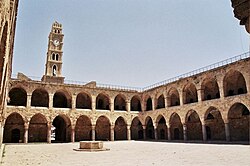
Beyond military works, al-Jazzar left a lasting physical mark on Acre. He commissioned the El-Jazzar Mosque in 1778, a masterpiece of Ottoman architecture, and built the Khan al-Umdan, a significant commercial caravanserai.
He also constructed the Hammam al-Pasha, one of the largest and most ornate public bathhouses of the Ottoman era, featuring granite, marble, and porphyry.
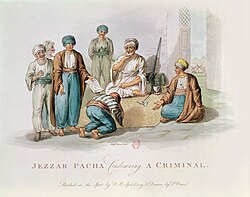
While early European biographers like Volney depicted him as the archetype of a paranoid tyrant, modern historians note the complexity of his personality—a man who was simultaneously a brutal despot and a sophisticated administrator who successfully defended his territory against the greatest military mind of his age.
| Period/Event | Role/Outcome | Key Significance |
|---|---|---|
| 1750s–1760s | Mamluk Enforcer | Rose to power under Ali Bey al-Kabir in Egypt. |
| 1776 | Wali of Sidon | Established Acre as a fortified capital. |
| 1785–1804 | Wali of Damascus | Held the post across four separate terms. |
| 1799 | Siege of Acre | Defeated Napoleon Bonaparte with British naval aid. |
| 1804 | Death | Died in Acre; succeeded by Sulayman Pasha al-Adil. |
Frequently Asked Questions
Who was Ahmed Pasha al-Jazzar?
He was an Ottoman governor of Bosnian origin who ruled the Eyalets of Sidon and Damascus. He is most famous for his successful defense of the city of Acre against Napoleon Bonaparte in 1799.
How did al-Jazzar defeat Napoleon at Acre?
Al-Jazzar utilized strong city fortifications and maintained a sea link for supplies. He was heavily supported by the British Royal Navy, specifically Sidney Smith and 800 British marines, who bombarded French positions.
What was the "Mamluk system" al-Jazzar used?
It was a system of military rule where the ruler relied on a household of purchased or recruited military slaves (Mamluks) to serve as personal bodyguards, political advisors, and regional administrators.
What are the remaining landmarks of his rule in Acre?
The most prominent landmarks include the El-Jazzar Mosque, the Khan al-Umdan (caravanserai), the Hammam al-Pasha (public bathhouse), and the city's extensive fortifications and moats.
Why was he described as a tyrant in European sources?
Early biographers, such as Volney, focused on his ruthless methods of consolidating power, his treatment of rivals, and his authoritarian style of governance, making him a symbol of Oriental despotism in Western literature.