Adjutant General: Roles and Evolution Across Global Military Systems
In the complex hierarchy of military organization, the adjutant general serves as a chief administrative officer. While the specific duties vary by nation and era, the core of the role remains the management of personnel, records, and the coordination of high-level administrative functions to ensure a military force operates efficiently.
Key Facts
- Core Function: Acts as the primary administrative officer for military forces.
- US Army: The Adjutant General's Corps manages awards, decorations, casualty operations, and personnel records.
- Historical Variation: Roles have ranged from personal aides to emperors (Habsburg) to senior policy makers (UK).
- Modern South Asia: In India, Pakistan, Bangladesh, and Sri Lanka, the role remains a senior administrative pillar reporting to the army's top leadership.
Historical Perspectives
France and the Revolutionary Army
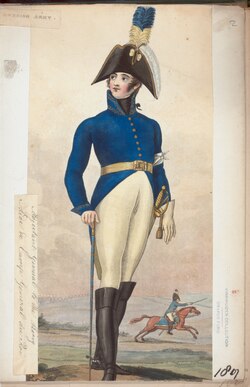
During the French Revolutionary Army, the adjudant-général functioned as a senior staff officer and assistant to general officers. Originally a position for lieutenant-colonels and colonels, the requirements tightened in 1795 to include only colonels. The rank of adjudant-commandant was added in 1800 to supplement the role. However, the position was abolished in 1803, and those holding the title reverted to the rank of colonel.
The Habsburg Monarchy
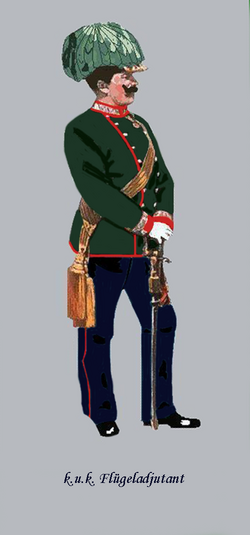
The Habsburgs utilized a tiered system of General Adjutants (reserved for generals) and Wing Adjutants (reserved for staff officers) to serve the Emperor. Diligent personnel from various Imperial Army branches were selected for this prestigious but demanding service.
Wing Adjutants served two to three-year terms, managing the Emperor's daily schedule, audiences, and the flow of personal files between the Emperor and the war ministry. Under Emperor Franz Joseph I, the duty was particularly grueling, beginning at 3:00 AM in full gear to match the Emperor's early rising habits. To this day, the head of the House of Habsburg maintains an adjutant general for official appointments.
Imperial Russia
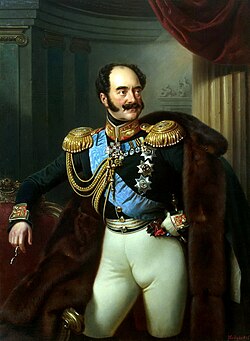
In Imperial Russia, the general-adyutant served as a high-level assistant to the Tsar, field marshals, admirals, or generals. This role was associated with specific rank insignia on shoulder boards and epaulettes, spanning various grades from Lieutenant General to General Field Marshal.
The Adjutant General in the United Kingdom and United States
United Kingdom
For more than 250 years, the Adjutant-General to the Forces was one of the British Army's most senior officers, tasked with developing personnel policies and supporting the workforce. In 2016, this role was renamed Commander Home Command, shifting its specific responsibilities.
United States
The United States employs three distinct definitions for the term:
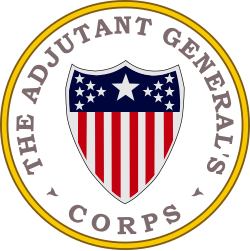
- US Army Chief Administrative Officer: Subordinated to the Army Chief of Staff and working for the Assistant Chief of Staff, G-1, this officer heads the Adjutant General's Corps. Since 1984, this has been a brigadier general billet responsible for personnel records, casualty operations, and awards.
- Unit Administrative Officer: In major units like divisions or corps, the G-1 is referred to as the Adjutant General. In this context, the "General" typically refers to the General Staff (G-1) rather than the officer's actual rank.
- State/Territorial Officer: Known as the "AG" or "TAG," this is the senior military officer of a state's forces, including the National Guard and naval militia, reporting to the state's chief executive when not federalized under Title 10 USC.
Modern Roles in South Asia
Several South Asian nations maintain the Adjutant General as a critical senior staff position:
- India: The senior administration officer for the Indian Army, reporting to the Chief of Army Staff.
- Pakistan: The Adjutant-General and Judge Advocate General serves as the army's most senior legal and administration officer.
- Bangladesh: One of four principal staff officers assisting the chief of army staff, focusing on personnel coordination and military law.
- Sri Lanka: The senior administration officer reporting to the Commander of the Army, overseeing welfare, medical services, rehabilitation, and personal administration.
Summary of Adjutant General Roles
| Region/Entity | Primary Focus | Reporting Line / Status |
|---|---|---|
| US Army (Corps) | Records, Awards, Casualties | Assistant Chief of Staff, G-1 |
| US State (TAG) | State Military Forces/National Guard | State Chief Executive |
| Habsburg Monarchy | Imperial Schedule & Personal Files | The Emperor |
| United Kingdom | Personnel Policy (Pre-2016) | Senior Army Leadership |
| India/Sri Lanka | Senior Administration | Chief of Army Staff / Commander |
| Pakistan | Administration and Legal | Army Leadership |
Frequently Asked Questions
Is an Adjutant General always a general officer?
No. While the title suggests a general's rank, this is not always the case. For example, in US Army divisions or corps, the officer known as the Adjutant General (G-1) is rarely a general officer; the term "General" in that instance refers to the General Staff.
What is the difference between a TAG and the US Army Adjutant General?
The US Army Adjutant General is a federal officer heading the Adjutant General's Corps. A TAG (The Adjutant General) is the senior military officer for a specific state, commonwealth, or territory, overseeing the National Guard and state defense forces.
What were the duties of a Wing Adjutant in the Habsburg Monarchy?
Wing Adjutants were staff officers who accompanied the Emperor, managed his daily program and audiences, and handled the correspondence between the Emperor and the war ministry.
How has the role changed in the British Army?
After over 250 years of managing personnel policies as the Adjutant-General to the Forces, the position was renamed Commander Home Command in 2016, which brought about a change in responsibilities.