Adjutant General: Roles and Evolution Across Global Militaries
An adjutant general serves as a military's chief administrative officer. While the core function of managing personnel and administration remains constant, the specific duties, ranks, and organizational structures associated with the role have varied significantly across different nations and historical eras.
Key Facts
- The adjutant general is primarily responsible for the administrative management of military forces.
- In the United States, the role exists at the federal, unit, and state levels.
- Historically, the role often involved close personal service to a monarch, such as in the Habsburg Monarchy and Imperial Russia.
- Modern roles in South Asian armies focus heavily on personnel coordination and military law.
- The British Army transitioned the Adjutant-General to the Forces role to Commander Home Command in 2016.
Historical Perspectives
France
During the French Revolutionary Army, the adjudant-général acted as a senior staff officer and assistant to a general officer. This position was reserved for lieutenant-colonels and colonels in staff service. By 1795, the appointment was restricted exclusively to colonels. The rank of adjudant-commandant was added in 1800 to supplement the role. However, the position was abolished in 1803, and those serving as adjudants-généraux returned to the rank of colonel.
The Habsburg Monarchy
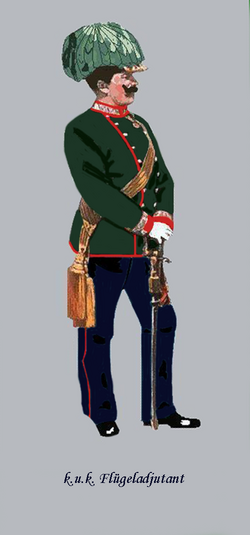
The Habsburg Monarchy utilized General Adjutants (reserved for generals) and Wing Adjutants (reserved for staff officers) to serve the Emperor. Diligent personnel from various Imperial Army branches were selected for this honor. These officers served two to three-year terms, accompanying the Emperor constantly and managing his daily schedule, audiences, and the flow of personal files between the Emperor and the war ministry.
Service under Emperor Franz Joseph I was particularly demanding, requiring Wing Adjutants to be in full gear by 3:00 AM to match the Emperor's early rising habits. Following breakfast, the adjutant would present current reports and the daily program. Even today, the head of the House of Habsburg maintains an adjutant general for official appointments.
Imperial Russia
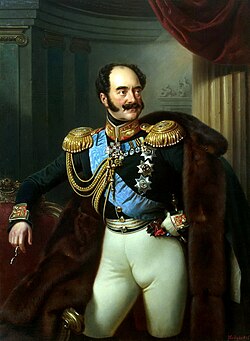
In Imperial Russia, the general-adyutant served as a high-level assistant to the Tsar, field marshals, admirals, or generals. The role was associated with specific rank insignia on shoulder boards and epaulettes, spanning various grades from Lieutenant General (OF-6) up to General Field Marshal (OF-10).
Modern National Implementations
United States
The United States employs three distinct definitions for the adjutant general:
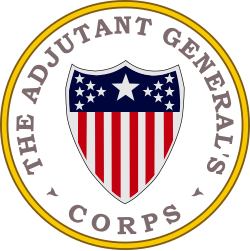
- Federal Army Level: The chief administrative officer of the U.S. Army, reporting to the Army Chief of Staff via the Assistant Chief of Staff, G-1. This officer heads the Adjutant General's Corps and manages awards, decorations, casualty operations, and personnel records. Since 1984, this has been a brigadier general billet.
- Unit Level: The chief administrative officer of a major unit (such as a division or corps), known as the G-1. Despite the title, these officers are rarely general officers; the "General" refers to the General Staff (G).
- State Level: The senior military officer of a state, commonwealth, or territory (known as the "AG" or "TAG"). They oversee the National Guard and state defense forces, reporting to the state's chief executive unless the Guard is federalized under Title 10 USC.
United Kingdom
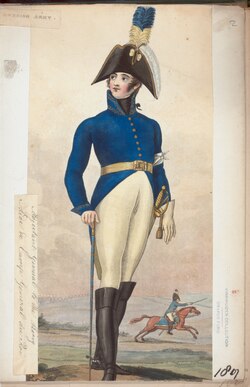
For over 250 years, the Adjutant-General to the Forces was one of the British Army's most senior officers, tasked with personnel policies and support. In 2016, this role was renamed Commander Home Command, bringing a shift in responsibilities.
South Asian Militaries
In several South Asian nations, the adjutant general remains a critical pillar of army administration:
- Bangladesh: One of four principal staff officers assisting the chief of army staff, focusing on personnel coordination and military law.
- India: The senior administration officer reporting to the Chief of Army Staff.
- Pakistan: The most senior administration and legal officer, combining the roles of Adjutant-General and Judge Advocate General.
- Sri Lanka: The senior administration officer reporting to the Commander of the Army, overseeing welfare, medical services, rehabilitation, and personal administration.
Comparative Summary of Adjutant General Roles
| Region/Era | Primary Focus | Reporting Authority | Key Characteristic |
|---|---|---|---|
| US Army (Federal) | Personnel Records & Awards | Assistant Chief of Staff, G-1 | Head of AG Corps |
| US State (TAG) | National Guard/State Forces | State Chief Executive | State-level command |
| Habsburg Monarchy | Imperial Personal Service | The Emperor | High-intensity personal aide |
| Imperial Russia | High-level Assistance | Tsar/Field Marshals | Specific rank insignia |
| South Asia | Admin & Military Law | Chief of Army Staff / Commander | Personnel coordination |
Frequently Asked Questions
What is the primary difference between a unit-level Adjutant General and a federal one in the US?
The federal Adjutant General is a brigadier general who heads the entire Adjutant General's Corps for the Army. A unit-level Adjutant General (G-1) manages administration for a specific division or corps and is typically not a general officer.
How did the role function in the Habsburg Monarchy?
It was a highly demanding personal service role. Adjutants managed the Emperor's daily schedule, handled correspondence between the war ministry and the monarch, and were required to be ready as early as 3:00 AM.
What happened to the Adjutant-General to the Forces in the UK?
After more than 250 years of service focusing on personnel policy, the position was renamed Commander Home Command in 2016, which also involved a change in responsibilities.
What are the responsibilities of the Adjutant General in Sri Lanka?
The Sri Lankan Adjutant General is the senior administration officer responsible for personal administration, medical services, welfare, and rehabilitation.
Who does the State Adjutant General (TAG) report to in the US?
The TAG reports to the state's chief executive (such as a Governor) when the National Guard is not in a federalized status under Title 10 USC.