Aaron Burr: The Rise and Fall of America's Third Vice President
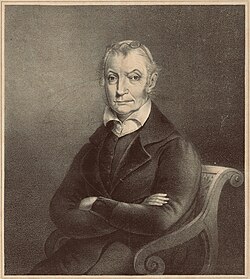
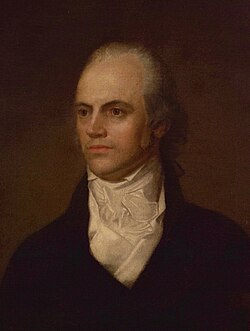
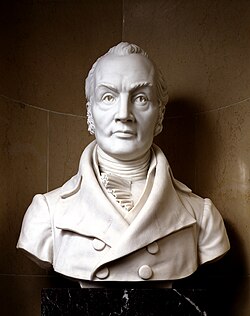
Aaron Burr Jr. remains one of the most polarizing figures in American history. A man of immense talent, ambition, and political agility, he ascended to the highest levels of government only to fall from grace through a series of scandals that would define his legacy for centuries. While he served as the third vice president of the United States, he is most frequently remembered not for his governance, but for a fatal duel and a suspected plot to carve out his own empire.
Born into a lineage of intellectual and religious influence, Burr was shaped by the tumultuous era of the American Revolution and the fragile early years of the new republic. His life was a journey from the battlefields of Quebec to the halls of the Senate, and eventually to the courts of law where he fought charges of treason.
Key Facts
- Role: 3rd Vice President of the United States (1801–1805).
- Political Party: Democratic-Republican.
- Military Rank: Lieutenant colonel in the Continental Army.
- Defining Event: Killed Alexander Hamilton in a duel on July 11, 1804.
- Legal Controversy: Arrested in 1807 for an alleged conspiracy to create an independent country.
- Education: Graduate of Princeton University.
Early Life and Military Service
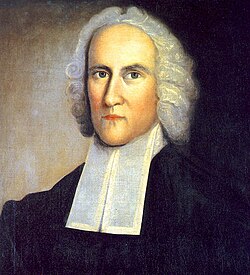
Aaron Burr Jr. was born on February 6, 1756, in Newark, Province of New Jersey. He was the grandson of Jonathan Edwards, a renowned Congregationalist theologian, which provided him with a foundation of rigorous intellectual discipline. After attending Princeton University, Burr entered the fray of the American Revolutionary War.
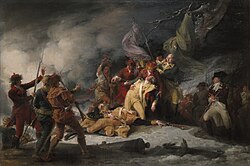
Serving in the Continental Army from 1775 to 1779, Burr rose to the rank of lieutenant colonel. He participated in several critical engagements, including the Battle of Monmouth and the Battle of Quebec, the latter of which was a pivotal and costly attempt to bring Canada into the rebellion.
The Ascent: Law and Politics
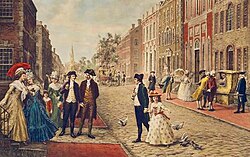
Following the war, Burr established himself as a formidable lawyer and politician in New York. His rise was rapid; he served as the 3rd Attorney General of New York and was later elected to the United States Senate in 1791, defeating the incumbent General Philip Schuyler.
In the Senate, Burr aligned himself with the Democratic-Republican Party, often clashing with the Federalists. He became a vocal opponent of Alexander Hamilton's proposed financial systems and criticized the foreign policy outlined in George Washington's Farewell Address. Despite his success, Burr resigned from the Senate in 1797 after a single term.
The Election of 1800 and the Vice Presidency
The presidential election of 1800 resulted in a historic Electoral College tie between Burr and Thomas Jefferson. Under the rules of the time, the decision moved to the U.S. House of Representatives, which ultimately voted in Jefferson's favor. Burr, having received the second-highest share of votes, became the vice president.
The relationship between the president and vice president was strained. Jefferson viewed Burr with suspicion, and Burr was largely marginalized within the administration. By the 1804 election, following the ratification of the 12th Amendment—which separated the ballots for president and vice president—Jefferson did not select Burr as his running mate.
The Duel with Alexander Hamilton
The long-standing political and personal animosity between Aaron Burr and Alexander Hamilton culminated in a duel on July 11, 1804, in Weehawken, New Jersey. The confrontation was the result of years of mutual dislike and political rivalry.
The duel ended in tragedy when Burr shot and killed Hamilton. This event effectively ended Burr's political viability and cemented his reputation as a villain in the eyes of many of his contemporaries.
![An early 20th century illustration after painting "Ein Ehrenhandel" by Joseph Munsch (Austrian, 1832-1896) [89] depicting the duel between Burr (right) and Alexander Hamilton (left) on July 11, 1804, in Weehawken, New Jersey.](/images/17/d9/17d9acb7816c7e770c14d61828fc7b4de9ba98d96ee1ff648bc951dfb7cd3c42.jpg)
The Burr Conspiracy and Later Years
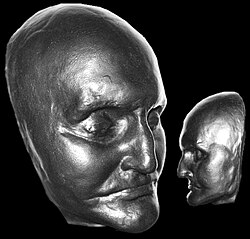
After leaving the vice presidency in 1805, Burr traveled to the American frontier. He engaged in secretive activities that led to accusations that he was plotting to seize parts of the United States or the Spanish Empire to establish an independent nation.
In February 1807, Burr was arrested in Alabama on charges of treason. He faced multiple trials for what became known as the Burr conspiracy. Despite the gravity of the charges, Burr was acquitted in each trial. Following these events, he spent several years in exile in Europe before returning to New York City in 1812 to resume his legal practice.
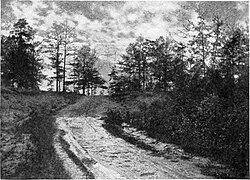
Personal Life and Family
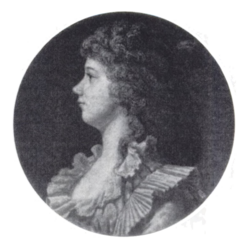
Burr's personal life was marked by both deep affection and tragedy. He married Theodosia Bartow Prevost in 1782. Their daughter, also named Theodosia, was the only child from this marriage to reach adulthood and became a central figure in Burr's life.
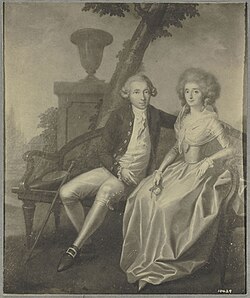
In his later years, Burr adopted two sons, Aaron Columbus Burr and Charles Burdett, who were widely believed to be his biological children from a period spent in Paris. He also married Eliza Jumel in 1833, though the marriage ended in divorce in 1836.
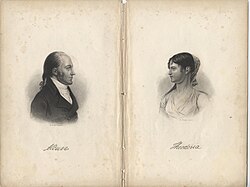
Death and Legacy
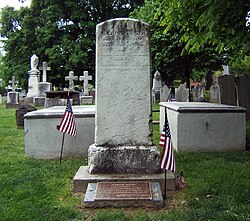
Aaron Burr died of a stroke on September 14, 1836, at the age of 80. He was laid to rest in Princeton Cemetery in New Jersey.
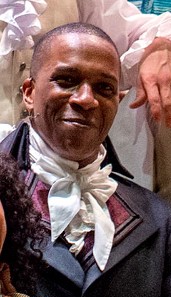
For generations, Burr was cast as the antagonist to the Founding Fathers. However, modern interpretations—including popular culture and revised historical analyses—have sought to present a more nuanced view of the man, weighing his political contributions against his controversial actions.
| Position | Term/Years | Key Detail |
|---|---|---|
| Lieutenant Colonel, Continental Army | 1775–1779 | Fought in the Battle of Quebec and Monmouth |
| Attorney General of New York | 1789–1791 | Served under Governor George Clinton |
| U.S. Senator from New York | 1791–1797 | Opposed Hamilton's financial system |
| Vice President of the United States | 1801–1805 | Served during Thomas Jefferson's first term |
Frequently Asked Questions
Why did Aaron Burr duel Alexander Hamilton?
The duel was the result of years of political rivalry and personal animosity. Burr felt that Hamilton had consistently worked to undermine his political career and reputation.
What was the Burr conspiracy?
The Burr conspiracy was an alleged plot by Aaron Burr to create an independent country by seizing territories in the American West or the Spanish Empire. He was arrested for treason but was ultimately acquitted.
How did Burr become Vice President if he didn't win the popular vote?
In the election of 1800, Burr and Thomas Jefferson tied in the Electoral College. The U.S. House of Representatives broke the tie by electing Jefferson as president, leaving Burr as the vice president.
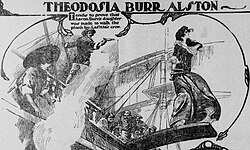
Who was Theodosia Burr Alston?
Theodosia was Aaron Burr's daughter and the only child of his first marriage to survive to adulthood. She was highly educated and remained very close to her father throughout her life.
Where is Aaron Burr buried?
Aaron Burr is buried in the Princeton Cemetery in Princeton, New Jersey.