1982 Lebanon War
The 1982 Lebanon War, also known in Israel as the First Lebanon War, was a pivotal conflict that began on June 6, 1982. This invasion was part of a broader cycle of violence involving the Palestinian insurgency in South Lebanon and the ongoing Lebanese Civil War. Codenamed Operation Peace for Galilee, the Israeli military operation sought to neutralize threats from the Palestine Liberation Organization (PLO) and reshape the political landscape of Lebanon.
The conflict was triggered by an attempted assassination of Shlomo Argov, Israel's ambassador to the United Kingdom, by the Abu Nidal Organization. Israeli Prime Minister Menachem Begin used this event as a casus belli (an act justifying war), blaming the PLO for the attack and launching a full-scale invasion of southern Lebanon.
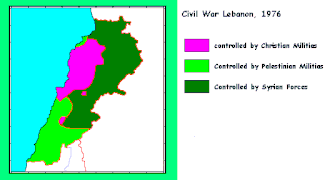
Key Facts
- Primary Objective: To destroy PLO infrastructure in Lebanon and drive Syrian forces out of the country.
- Major Belligerents: Israel and its allies (Lebanese Forces, South Lebanon Army) against the PLO, Syria, and various Lebanese militias.
- Key Outcome: The PLO was forced to withdraw from Lebanon, but the war led to the emergence of Hezbollah.
- Israeli Presence: Most forces withdrew by June 1985, leaving a "security zone" in South Lebanon until the final withdrawal in 2000.
- Casualties: Significant losses on all sides, with estimates suggesting thousands of Palestinian and Lebanese civilian deaths.
Historical Background and Causes
The Palestinian Presence in Lebanon
The roots of the conflict trace back to the 1948 Palestine war, which saw 100,000 Palestinians flee to Lebanon. By the eve of the 1982 invasion, this population had grown to 375,000. Many guerrillas were recruited from refugee camps, turning southern Lebanon into a base for operations against Israel.
Escalation and the Habib Ceasefire
Violence peaked during the 1978 Operation Litani, following the Coastal Road Massacre. In response, the United Nations created the United Nations Interim Force in Lebanon (UNIFIL) to restore peace and help the Lebanese government regain authority. While a period of relative calm existed between July 1981 and June 1982 under the Habib ceasefire, tensions remained high, with US officials fearing an imminent Israeli strike.
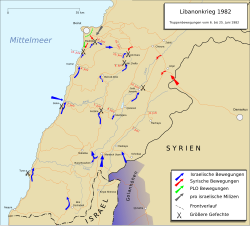
Strategic Goals
Declassified documents reveal that Israel's planning began in mid-1981. The military's primary goals were to dismantle the PLO headquarters in Beirut, expel Syrian forces, and install a Christian-dominated government led by Bashir Gemayel.
The Course of the Conflict
The Invasion and Advance
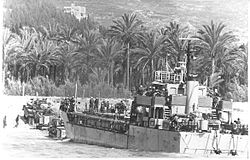
The Israeli Defense Forces (IDF) utilized numerical superiority and surprise to maintain the initiative. The invasion progressed from the south toward the capital, involving heavy armored movements and airstrikes.
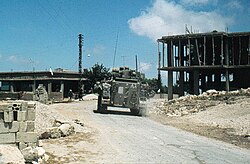
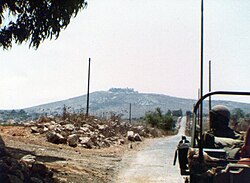
The Siege of Beirut and Syrian Clashes
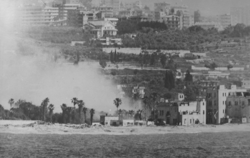
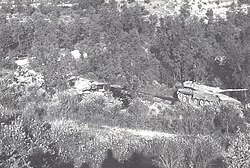
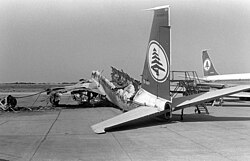
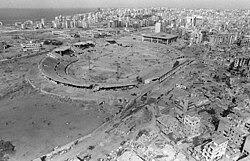
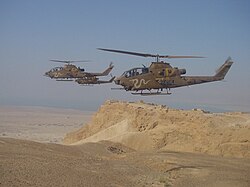
As the IDF advanced, they engaged in fierce battles along the Beirut-Damascus highway and eventually besieged the capital. The conflict saw a mix of conventional warfare and urban combat. The Israeli Air Force (IAF) played a critical role, employing Cobra gunships against Syrian armored fighting vehicles (AFVs).
Military Hardware and Tactics
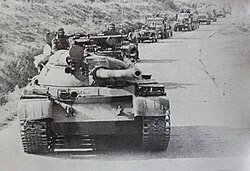
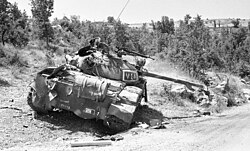
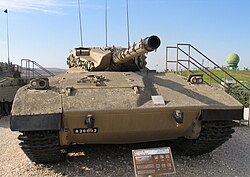
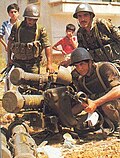
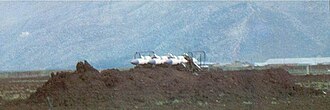
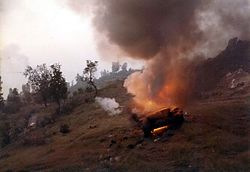
The war featured a variety of advanced weaponry for the era. Israel deployed the Merkava Mark I tank, while Syrian forces utilized T-62 tanks and French-made Milan anti-tank guided missiles (ATGMs). Syria also deployed SA-6 surface-to-air missile (SAM) batteries to defend the Bekaa Valley.
Outcome and Aftermath
Casualties and Human Cost
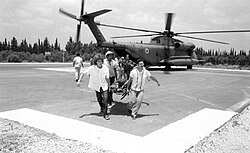
The human cost of the war was severe. Israel reported 654 killed and 3,887 wounded between 1982 and 1985. PLO losses are estimated between 1,000 and 2,400 killed. Civilian casualties were high; while some estimates suggest 5,000 to 8,000 deaths, other reports place the total at 18,000 to 19,000 killed, with 80% of villages in South Lebanon damaged.
The Security Zone and the Rise of Hezbollah
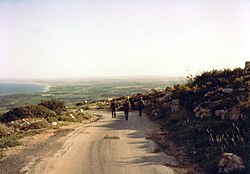
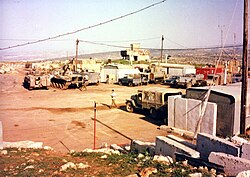
By June 1985, Israel withdrew most of its troops to a "security zone" along the border, supported by the South Lebanon Army (SLA), a proxy militia. This occupation fostered the rise of Hezbollah, an Iranian-backed Shia Islamist group that waged a guerrilla war against the IDF until Israel's full withdrawal in 2000.
Summary of Combatant Strength
| Force | Troops | Tanks | Aircraft | Other Key Assets |
|---|---|---|---|---|
| Israel | 78,000 | 800 | 634 | 1,500 APCs |
| Syria | 22,000 | 352 | 450 | 125 SAM batteries |
| PLO | 15,000 | 80 | - | 350+ Artillery pieces |
| Lebanese Forces | 30,000 | - | - | - |
| South Lebanon Army | 5,000 | 97 | - | - |
Frequently Asked Questions
What was the primary goal of Operation Peace for Galilee?
The primary goals were to destroy the PLO's infrastructure and headquarters in Lebanon, expel Syrian military forces from the country, and establish a friendly, Christian-dominated government in Beirut.
Why is the war considered a strategic failure for Israel?
Despite achieving tactical victories and forcing the PLO out of Lebanon, the invasion led to a prolonged occupation, the emergence of Hezbollah, and significant political instability within Israel.
What role did UNIFIL play during the conflict?
UNIFIL was created in 1978 to confirm Israeli withdrawal and restore peace. However, during the 1982 war, many UN positions were overrun, primarily by the South Lebanon Army.
How did the 1982 war influence future global events?
Beyond the regional impact, Osama bin Laden later claimed that the destruction of buildings in Beirut during the 1982 siege inspired the September 11 attacks on the United States.