Zimbabwe: A Comprehensive Overview of History, Geography, and Culture
The Republic of Zimbabwe is a landlocked country in Southern Africa, known for its rich archaeological heritage, diverse landscapes, and a complex political history. From the ancient stone ruins of Great Zimbabwe to the modern bustle of its capital, Harare, the nation represents a blend of indigenous traditions and colonial influences.
With a population estimated at over 17 million by 2026, Zimbabwe is a multi-ethnic and multilingual society. It is governed as a unitary parliamentary republic with an executive presidency, currently led by President Emmerson Mnangagwa.
Key Facts
- Capital: Harare (the largest city).
- Official Languages: 16 recognized languages, including English, Shona, and Ndebele.
- Government: Unitary parliamentary republic with an executive presidency.
- Currency: Zimbabwe Gold (ZWG) de jure; US Dollar (USD) and South African Rand (ZAR) de facto.
- Land Area: 390,757 km².
- Independence: Recognized on 18 April 1980 from the United Kingdom.
Historical Evolution
Pre-colonial and Colonial Eras
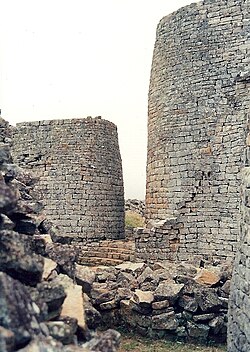
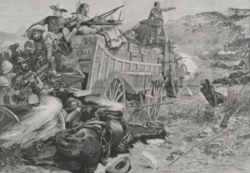
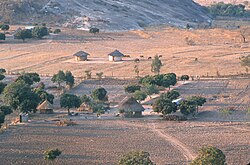
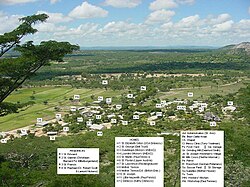
Zimbabwe's early history is marked by the sophisticated civilizations that built Great Zimbabwe, the massive stone structures that give the country its name. Later, the region saw the rise of the Matabele kraals under the Ndebele people.
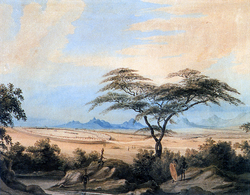
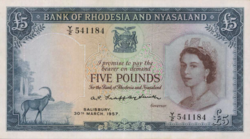
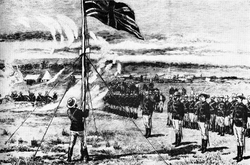
The colonial era began in the late 19th century. The Union Jack was raised over Fort Salisbury in 1890, marking the start of British influence. This period was characterized by the establishment of Rhodesia, a colony that eventually sought a path separate from British rule.
The Path to Independence
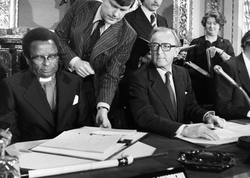
The mid-20th century was a period of intense turmoil. A declaration of independence was made on 11 November 1965, leading to a protracted civil war. This conflict eventually culminated in the Lancaster House Agreement, signed by Bishop Abel Muzorewa and Lord Carrington, which paved the way for internationally recognized independence in 1980.
The Independence Era
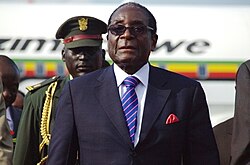
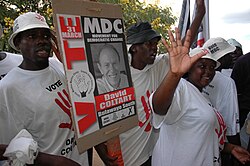
Following independence, the country was led for decades by Robert Mugabe. This era saw significant shifts in land ownership and political control, often marked by economic instability and human rights challenges. In 2017, a transition of power occurred, leading to the presidency of Emmerson Mnangagwa.
Geography and Environment
Physical Landscape and Climate
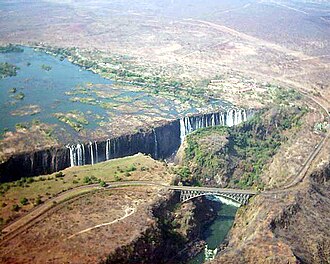
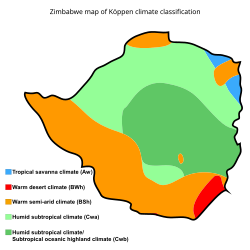
Zimbabwe's geography is diverse, featuring the Zambezi River in the north and the dramatic Victoria Falls, where the upper Zambezi transitions into the middle Zambezi. The climate varies across the country, as categorized by the Köppen climate classification system.
Biodiversity and Wildlife
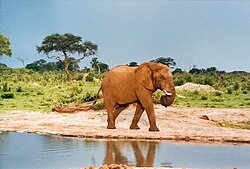
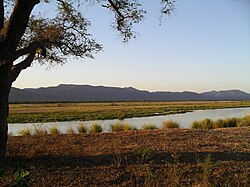
The nation is a sanctuary for diverse wildlife. Hwange National Park and Mana Pools are prime examples of the country's commitment to preserving species such as the African elephant.
Government and Economy
Political Structure
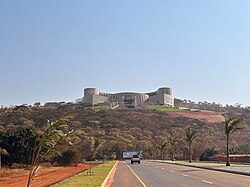
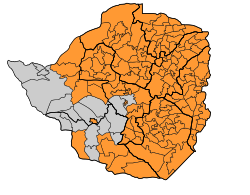
The government operates under a constitution adopted on 15 May 2013. The legislature consists of a bicameral Parliament, comprising the Senate (upper house) and the National Assembly (lower house). The New Zimbabwe Parliament Building in Mount Hampden serves as the center of legislative activity.
Economic Profile
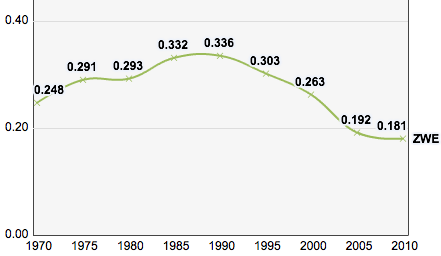
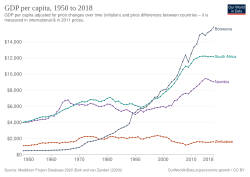
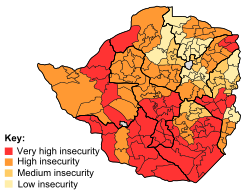
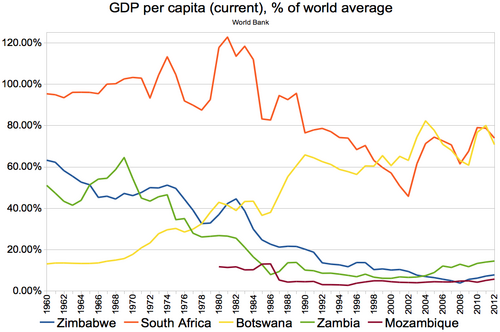
Zimbabwe's economy relies heavily on minerals and agriculture. However, it has faced severe challenges, including hyperinflation and food insecurity, particularly around 2008. While the GDP per capita remains lower than some of its neighbors, the country continues to seek stability through currency reforms and trade.
| Category | Detail |
|---|---|
| Total Area | 390,757 km² |
| Population (2022 Census) | 15,178,957 |
| GDP (Nominal 2025 Est.) | $53.310 billion |
| HDI (2023) | 0.598 (Medium) |
| Main Ethnic Group | Black African (99.6%) |
Demographics and Society
Language and Religion
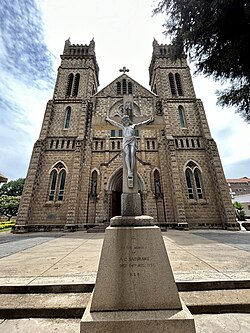
Zimbabwe is linguistically diverse, with 16 official languages. Christianity is the predominant religion, with Protestantism making up the majority of believers, though traditional faiths and non-religious views also persist.
Health and Education
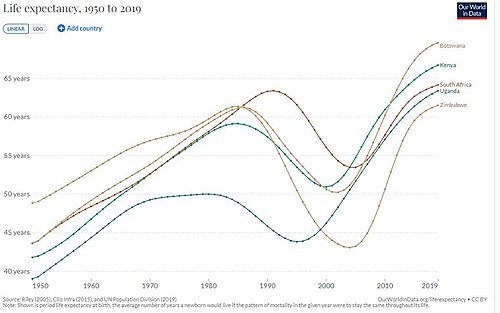
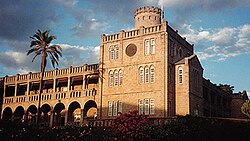
The health sector has faced significant hurdles, most notably the HIV/AIDS epidemic, which caused a decline in life expectancy. Additionally, the country has dealt with public health crises such as cholera outbreaks. In education, institutions like St. George's College in Harare highlight the long-standing presence of formal schooling in the region.
Culture and Arts
Arts and Cuisine
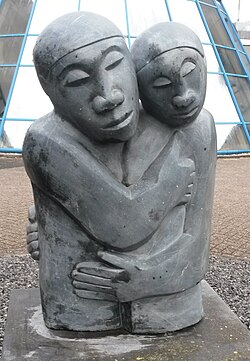
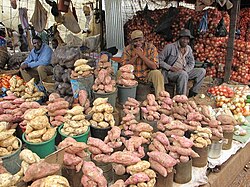
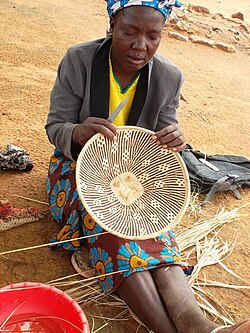
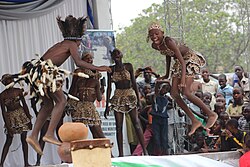
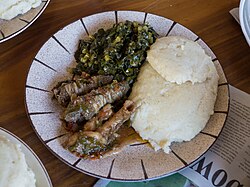
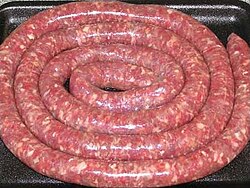
Zimbabwe is world-renowned for its Shona stone sculptures, which often explore themes of reconciliation and spirituality. The national cuisine is centered around sadza (a thick maize porridge), typically served with greens and meat, such as goat offal.
Sports and National Symbols
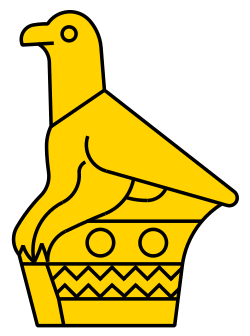
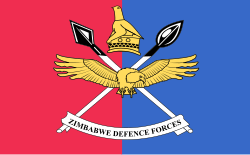
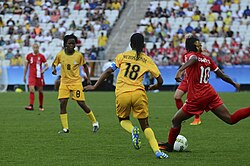
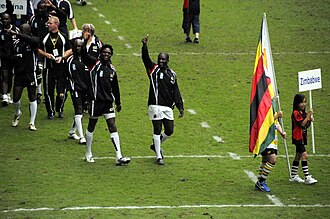
Sports are a point of national pride, with the women's national football team and the Sevens Rugby team representing the country on the global stage. The Zimbabwe Bird remains one of the most iconic national symbols, appearing in various designs across the country.
Frequently Asked Questions
![A demonstration in London against Robert Mugabe. Protests are discouraged by Zimbabwean police in Zimbabwe.[154]](/images/20/60/2060195693df9d93208daba591bafb55e0fead0b9ba950d7ca8a60813fcf12ce.jpg)
What are the official languages of Zimbabwe?
Zimbabwe recognizes 16 official languages, including English, Shona, Ndebele, Chewa, Tonga, and Zimbabwean sign language.
Who is the current President of Zimbabwe?
The current President is Emmerson Mnangagwa.
What is the significance of Great Zimbabwe?
Great Zimbabwe consists of ancient stone towers and ruins that serve as a testament to the sophisticated pre-colonial civilizations that existed in the region.
What is the primary staple food in Zimbabwe?
The primary staple food is sadza, a thick porridge made from maize meal, usually accompanied by vegetables and meat.
When did Zimbabwe gain recognized independence?
Zimbabwe's independence from the United Kingdom was officially recognized on 18 April 1980.