Zarzir Population and Tribal Structure
Zarzir is a community characterized by a rich tapestry of tribal heritage and a strong commitment to public service. As of 2024, the town has a population of 9,149 residents, distributed among several distinct tribes that maintain their own social structures, traditions, and contributions to the region.
Key Facts
- Total population: 9,149 (2024).
- Largest local tribe: Mazarib (2,700 residents).
- Strong representation across all tribes in security forces, education, and agriculture.
- Diverse origins, including groups that settled from Syria and Lebanon.
- Significant historical milestones in military leadership and local governance.
The Tribal Landscape of Zarzir
The social fabric of Zarzir is defined by its tribal affiliations. These groups often manage their own community assets, such as schools and religious sites, while contributing to the broader economic and security framework of the area.
The Mazarib Tribe
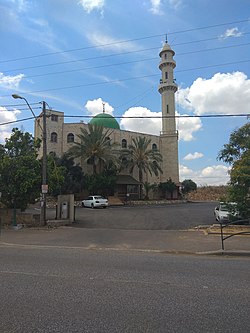
With 2,700 residents, the Mazarib are the largest tribe in Zarzir. They are heavily involved in the building industry, agriculture, and the security forces, including the police and the Israel Defense Forces (IDF). Notably, Abed al Magid Mazarib holds the distinction of being the first Bedouin officer in the IDF. The tribe maintains a high degree of independence, operating its own cemetery, elementary school, and mosque.
The Grifat Tribe
The Grifat tribe consists of 2,500 members who share clear genealogical ties and reside in a single concentrated area. The tribe is known for its academic achievements and its presence in the education system and security forces. Others focus on agriculture and cattle trading. Since 2013, the local council has been led by Ataf Grifat, a descendant of the tribe's founders in Zarzir.
The Haib Tribe
The Haib tribe has a storied military history. In 1943, a breakaway group settled on the Abu Siah hilltop of Zarzir. By 1946, 70 members joined the Palmach (an elite pre-state Zionist paramilitary organization), forming the "Pal Haib" unit, which became renowned for its fighting capabilities. Hussein Ismail Abu Yosef Haib, the first Bedouin to reach the rank of Lieutenant Colonel, served as the head of the Zarzir local council from 1996 to 2013. While present in Zarzir, the Haib are considered the largest Bedouin tribe in Northern Israel overall.
The Jawamis Tribe
The Jawamis tribe comprises 1,200 related members. Their professional contributions are primarily centered in agriculture, the building industry, and the security forces. Like the Mazarib, the Jawamis maintain their own internal leadership committee, mosque, cemetery, and elementary school.
The Eyadat Tribe
The Eyadat tribe consists of 1,000 members who settled in Zarzir in 1974, originating from nomadic tribes in Syria and Lebanon. This group is characterized by a high level of academic attainment, with many members working in local industries, education, and the security forces.
Zarzir Tribal Summary
| Tribe Name | Population | Primary Occupations | Key Distinctions |
|---|---|---|---|
| Mazarib | 2,700 | Security, Agriculture, Building | First Bedouin IDF officer |
| Grifat | 2,500 | Academia, Security, Education, Cattle | Strong genealogical ties; Local Council leadership |
| Haib | Not specified (local) | Security, Governance | Palmach "Pal Haib" unit; First Lt. Colonel |
| Jawamis | 1,200 | Security, Agriculture, Building | Independent leadership and infrastructure |
| Eyadat | 1,000 | Academia, Security, Education | Originally from Syria and Lebanon |
Frequently Asked Questions
What is the total population of Zarzir in 2024?
The population of Zarzir was 9,149 in 2024.
Which is the largest tribe residing in Zarzir?
The Mazarib tribe is the largest, with 2,700 residents.
Who was the first Bedouin officer in the IDF?
Abed al Magid Mazarib was the first Bedouin officer in the IDF.
What is the historical significance of the Haib tribe in Zarzir?
The Haib tribe is noted for the "Pal Haib" unit in the Palmach and for Hussein Ismail Abu Yosef Haib, the first Bedouin to achieve the rank of Lieutenant Colonel.
Where did the Eyadat tribe originate?
The Eyadat tribe originally came from nomadic tribes in Syria and Lebanon before settling in Zarzir in 1974.