Yerba Mate: The Traditional South American Caffeine Powerhouse
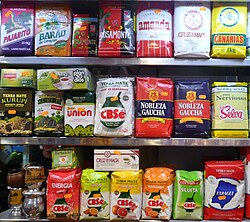
Deeply rooted in the culture of South America, yerba mate (Ilex paraguariensis) is more than just a plant; it is a social ritual and a potent source of energy. A member of the holly genus, this evergreen species provides the leaves used to brew a caffeine-rich infusion known as mate. Whether enjoyed as a steaming hot drink or a refreshing cold brew, yerba mate has evolved from an indigenous tradition into a global commodity found in energy drinks and specialty shops worldwide.
Key Facts
- Scientific Name: Ilex paraguariensis.
- Primary Producers: Brazil (53%), Argentina (37%), and Paraguay (10%).
- Active Compounds: Contains caffeine, theobromine, and theophylline.
- Traditional Vessels: Brewed in a hollowed-out gourd using a metal straw called a bombilla.
- Conservation Status: Classified as Near Threatened by the IUCN.
Botanical Description
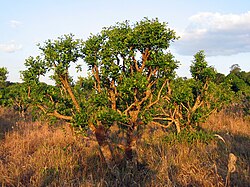
The yerba mate plant begins its life as a shrub before maturing into a tree that can reach heights of up to 15 meters (50 ft). Its evergreen leaves are serrated, ranging from 7 to 110 millimeters in length. These leaves are the primary commercial interest, as they contain xanthine alkaloids—natural stimulants including caffeine.
The plant produces small, greenish-white flowers with four petals and bears a small red drupe (a fleshy fruit with a single hard stone) measuring 4 to 6 millimeters in diameter. Research has also identified extrafloral nectaries on the leaves, which are nectar-secreting glands located outside of the flower.
History and Domestication
The consumption of mate originated with the indigenous Guaraní and Tupí peoples of Paraguay. During the Spanish colonization in the late 16th century, the beverage became a primary commodity in Paraguay, often harvested from wild stands using indigenous labor.
In the mid-17th century, Jesuit missionaries successfully domesticated the plant, establishing plantations in Misiones, Argentina. While these plantations decayed after the Jesuits were expelled in the 1770s, the foundation for organized cultivation was laid. By the late 19th and early 20th centuries, Brazil and Argentina re-domesticated the plant, leading to the modern plantation systems used today.
Cultivation and Production
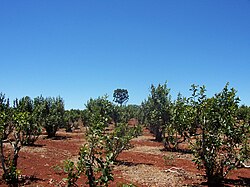
Yerba mate is grown primarily in the native regions of Paraguay, northern Argentina (Misiones), Uruguay, and southern Brazil. Those who cultivate the plant are known as yerbateros in Spanish or ervateiros in Portuguese.
Cultivators face several biological challenges. Common pests include the true bug Gyropsylla spegazziniana, the beetle Hedyphates betulinus, and the moth Perigonia lusca. To combat the latter, farmers have utilized a nuclear polyhedrosis virus as a biopesticide since 1992.
| Country | Production (Tonnes) | Market Share (%) |
|---|---|---|
| Brazil | 513,256 | 58% |
| Argentina | 290,000 | 32% |
| Paraguay | 85,490 | 10% |
The Art of Consumption
The infusion is known as mate in Spanish-speaking countries and chimarrão in Brazil. To prepare it, a gourd is filled three-quarters full with dry leaves and twigs, then steeped with water heated to 70–80 °C (160–175 °F). It is crucial that the water is not boiling to avoid burning the leaves.
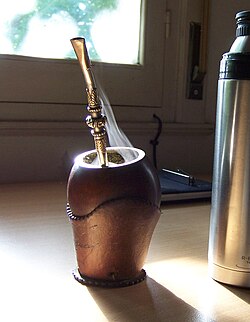
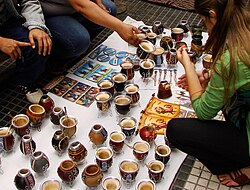
When prepared with cold water, the drink is called tereré, a popular choice during hot weather in Paraguay. In many South American cultures, the act of drinking mate (matear) is a social event. In Uruguay, the largest consumer per capita, people often carry a termo (vacuum flask) and their gourd while walking the streets.
Beyond South America, yerba mate is popular among Druze and Alawite communities in Syria and Lebanon due to 19th-century migration patterns. It has also found a niche in South Africa and is the base for Materva, a carbonated soft drink developed in Cuba in 1920.
Chemical Composition and Health Considerations
Yerba mate is rich in polyphenols, including flavonoids like quercetin and rutin. Its stimulant properties come from three xanthines: caffeine (0.7% to 1.7% of dry weight), theobromine (0.3% to 0.9%), and small amounts of theophylline.
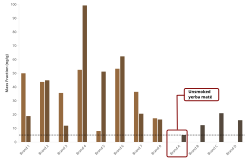
Regarding health, there is no strong evidence that yerba mate effectively aids in human weight loss. However, there are concerns regarding cancer risks. The International Agency for Research on Cancer (IARC) noted in 1991 that consuming mate at temperatures above 65 °C may be linked to esophageal and oral cancer. Additionally, the traditional smoking process used to dry the leaves can introduce benzo(a)pyrene, a carcinogenic polycyclic aromatic hydrocarbon.
Frequently Asked Questions
What is the difference between mate and tereré?
Mate is the general term for the infusion, typically served hot (70–80 °C). Tereré is the specific version of the drink prepared with cold water, which is especially popular in Paraguay during the summer.
Does yerba mate contain more caffeine than coffee?
The caffeine content of yerba mate dry weight is between 0.7% and 1.7%. For comparison, ground coffee can contain up to 3.2%, while tea leaves range from 0.4% to 9.3%.
Is drinking yerba mate safe?
Generally, yes, but temperature matters. Preparations under 65 °C are not considered carcinogenic. However, very hot infusions (above 65 °C) and the presence of benzo(a)pyrene from the smoking process may increase cancer risks.
Which country produces the most yerba mate?
Brazil is currently the largest producer, accounting for approximately 53% of global production, followed by Argentina and Paraguay.