Tereré: The Traditional Cold Mate Infusion of Paraguay
In the heart of the Southern Cone, where the heat can be intense, there exists a beverage that is more than just a refreshment—it is a cultural icon. Tereré is a traditional cold infusion of yerba mate (Ilex paraguariensis), deeply rooted in the ancestral knowledge of the Guaraní people. Unlike its hot counterpart, mate, tereré is prepared with ice-cold water and a variety of medicinal herbs, serving as a symbol of trust, communion, and national identity in Paraguay.
Recognized for its profound cultural significance, UNESCO declared the tereré of Paraguay, including the traditional practice of preparing it with pohã ñana (medicinal herbs), as an Intangible Cultural Heritage of Humanity on December 17, 2020.
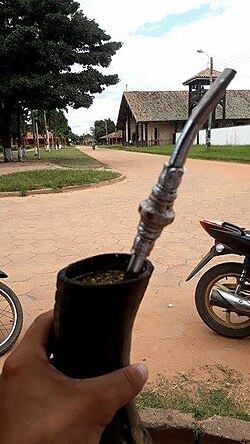
Key Facts
- Origin: Paraguay, rooted in Pre-Columbian Guaraní culture.
- Core Ingredients: Yerba mate, cold water, ice, and optional medicinal herbs (pohã ñana).
- Global Status: UNESCO Intangible Cultural Heritage (inscribed 2020).
- National Status: Official drink of Paraguay; National Tereré Day is celebrated the last Saturday of February.
- Regional Variants: "Tereré de jugo" or "Russian tereré" uses fruit juices instead of water.
The Art of Preparation and Equipment
Preparing tereré is a ritual that requires specific tools to ensure the infusion is filtered correctly and kept cold.
Essential Tools
- Guampa: The drinking vessel. These can be crafted from cattle horns, stainless steel, wood, silver, or the mate porongo (a native South American cucurbit). Metal versions are often leather-wrapped.
- Bombilla: A metal straw equipped with a filter at the bottom to prevent yerba leaves from being consumed.
Step-by-Step Process
- Fill the guampa approximately 2/3 to 3/4 full with yerba mate.
- Prepare cold water with plentiful ice, typically stored in a vacuum flask to maintain the temperature.
- Add medicinal herbs or fruit juices to the water if desired.
- Pour the chilled liquid over the yerba and sip through the bombilla. The liquid can be refilled multiple times.
Pohã Ñana: The Role of Medicinal Herbs
A defining characteristic of traditional Paraguayan tereré is the addition of yuyos, or refreshing and medicinal herbs known as pohã ñana. These herbs are chosen for their health benefits or refreshing properties. Common additions include:
- Mint, lemon balm, and ginger.
- Sarsaparilla, horsetail, and verbena.
- Cocú, pererina, and wax begonia.
- Ajenjo, taropé, and slender dayflower.
Modern adaptations have seen the rise of commercial franchises selling flavored ice based on these traditional medicinal weeds and fruits.
Regional Variations and Social Customs
While tereré is the national drink of Paraguay, its popularity extends across Latin America, adapting to local tastes.
Paraguay and the Guaraní Legacy
In Paraguay, tereré is a social glue. The city of Itakyry has hosted the "Festival of Tereré" since 1998, celebrating the drink's role in community bonding. It was historically adopted during the Guaraní-Jesuit Missions, where it provided a low-calorie, non-alcoholic way to stay hydrated in a hot climate.
Argentina and Brazil
In northeastern Argentina and southern Brazil, a variant called tereré de jugo (or tereré ruso in Paraguay) is common. This version replaces water with citrus juices such as lemon, lime, orange, or pineapple. In Argentina, this style is particularly popular among millennials and is a staple for native peoples like the Qom, who integrate it into a diet of stews and chipá cuerito.
Nutritional Profile
Tereré is a nutrient-dense beverage, particularly rich in essential minerals. The following table outlines the nutritional value per 100g of the infusion.
| Nutrient | Quantity | % Daily Value (DV) |
|---|---|---|
| Energy | 80 kcal | - |
| Protein | 3 g | - |
| Copper | - | 306% |
| Iron | - | 262% |
| Magnesium | - | 88% |
| Zinc | - | 86% |
| Calcium | - | 51% |
| Potassium | - | 37% |
| Vitamin C | - | 1% |
Frequently Asked Questions
What is the difference between mate and tereré?
While both use yerba mate leaves, mate is traditionally consumed as a hot infusion, whereas tereré is prepared with cold water and ice.
What is "Russian tereré"?
Russian tereré (or tereré de jugo) is a variation where fruit juices are used instead of water. This practice is associated with Slavic immigrants in southern Paraguay and northeastern Argentina.
What is a bombilla used for?
A bombilla is a specialized metal straw with a filter at the end. It allows the drinker to consume the liquid while filtering out the solid yerba mate leaves.
Why is tereré considered a cultural heritage?
UNESCO recognized it because it encompasses not only the drink itself but also the ancestral Guaraní knowledge of medicinal herbs (pohã ñana) and the social rituals of sharing the beverage.
How should a new guampa be prepared?
New guampas, especially those with wooden bases, should be wetted before first use. This allows the wood to expand, creating a seal that prevents the vessel from leaking.