Yahgan People: The Southernmost Indigenous Population of the World
The Yahgan (also known as Yámana or Yamana) are an Indigenous group from the Southern Cone of South America. Occupying the islands south of Isla Grande de Tierra del Fuego and extending to Cape Horn, they hold the distinction of being the world's southernmost Indigenous human population. Traditionally nomadic hunter-gatherers, the Yahgan developed extraordinary adaptations to survive one of the harshest climates on Earth.
In the 19th century, English speakers often referred to them as "Fuegians," a term credited to Captain James Weddell in 1822. However, this term is now generally avoided because it indiscriminately grouped the Yahgan with other distinct Indigenous peoples of the region, such as the Selkʼnam.
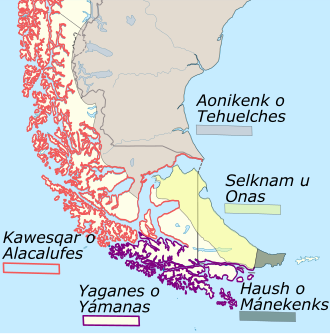
Key Facts
- Location: Southernmost tip of South America, including Cape Horn and islands south of Tierra del Fuego.
- Language: The Yahgan language (a language isolate) is now considered extinct.
- Lifestyle: Nomadic canoe-faring hunter-gatherers.
- Population: Approximately 1,433 people (combined Chile and Argentina data from 2022/2024).
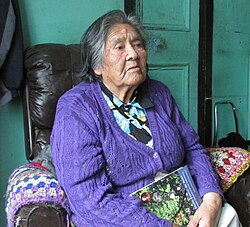
- Last Native Speaker: Cristina Calderón, who passed away in 2022.
Cultural Identity and Language
The Yahgan language, or Yámana, is classified as a language isolate, meaning it has no known relationship to any other living language. For decades, the preservation of this tongue rested with a few individuals, most notably Cristina Calderón (1928–2022). Born on Navarino Island, Chile, she was the last full-blooded Yahgan and the final native speaker of the language before it was entirely replaced by Spanish.
The terminology used to describe the people varies. The autonym (the name they used for themselves) was yamana, meaning "person." The term "Yahgan" was popularized by Thomas Bridges, derived from Yahgashaga (the Yahga Strait). Another term, Tekenika, originated from a misunderstanding; it literally translates to "I do not understand," likely the response given to early explorers asking questions the Yahgan could not comprehend.
Adaptations to an Extreme Climate
The Yahgan are renowned for their indifference to freezing temperatures. While European explorers shivered under blankets, the Yahgan often went about their daily lives with little to no clothing. They survived through a combination of behavioral and biological adaptations:
- Fire Management: They maintained small fires constantly, even inside their canoes. This prevalence of fire led explorers to name the region Tierra del Fuego (Land of Fire).
- Physical Protection: They applied animal grease to their skin to trap heat and provide an insulating layer of fat.
- Biological Evolution: Research suggests they evolved higher average body temperatures than Europeans.
- Heat Conservation: They utilized a deep squatting position while resting to reduce surface area and minimize heat loss.
- Natural Shelter: They used existing rock formations to shield themselves from the wind and rain.
Traditional Lifestyle and Social Structure
The Yahgan lived as nomads, navigating the archipelago in canoes. Their diet was primarily sourced from the sea: men hunted sea lions, while women dove into cold waters to collect shellfish. They also scavenged whale meat and gathered berries and mushrooms from the land. They shared certain physical traits—such as short stature and dolichocephalic (long-headed) skull shapes—with the northern Chono and Kawésqar tribes, though their languages remained entirely distinct.
According to researcher Mateo Martinic, the Yahgan were divided into five primary groups based on their territory:
- Wakimaala: Beagle Channel and Murray Channel.
- Utumaala: From Puerto Williams to Picton Island.
- Inalumaala: Beagle Channel from Punta Divide to Brecknock.
- Ilalumaala: South-west islands from Cook Bay to False Cape Horn.
- Yeskumaala: Islands surrounding Cape Horn.

Archaeology and Domestication
Archaeological evidence, such as the "Dome Middens" at Wulaia Bay, points to significant Megalithic period settlements. Additionally, the Yahgan domesticated a specific breed of culpeo known as the Fuegian dog.
European Encounters and Decline
While Ferdinand Magellan encountered the region in the 16th century, intensive European contact began in the 19th century. One of the most famous interactions involved the HMS Beagle. Captain Robert FitzRoy took several Yahgan hostages—including Jemmy Button, York Minster, and Yokcushlu—to England. Jemmy Button, in particular, became a subject of interest for Charles Darwin, who noted the stark difference between the "civilized" Button and the native Yahgan he met upon returning to the islands.
The decline of the Yahgan population was caused by several factors:
- Disease: Infectious diseases introduced by Europeans decimated the population.
- Resource Depletion: Whalers and sealers depleted high-calorie food sources, forcing the Yahgan to rely on less nutritious mussels.
- Conflict: During the gold rush and the rise of sheep farming, ranchers' militias hunted Yahgan people who poached sheep on their ancestral lands.
In the 1920s, Anglican missionaries attempted to preserve the tribe by resettling some members on Keppel Island in the Falklands, but the population continued to dwindle.
Yahgan Population Summary
| Category | Details / Statistics |
|---|---|
| Estimated Mid-19th Century Population | 3,000 |
| Chilean Population (2024 Census) | 1,244 |
| Argentine Population (2022 Census) | 189 |
| Primary Modern Language | Spanish |
| Traditional Religion | Native beliefs (mostly Protestant Christian today) |
Frequently Asked Questions
Why was the region called Tierra del Fuego?
The name "Land of Fire" comes from the numerous fires maintained by the Yahgan people, which were visible to European explorers sailing past the coast.
Who was Cristina Calderón?
Cristina Calderón was the last full-blooded Yahgan person and the last native speaker of the Yahgan language. She passed away in 2022 at the age of 93.
How did the Yahgan survive the extreme cold without clothes?
They used animal grease for insulation, huddled around fires, utilized rock shelters, maintained a deep squatting position to conserve heat, and evolved a higher average body temperature.
What happened to the Yahgan language?
The Yahgan language is now considered extinct, as it was entirely replaced by Spanish over the course of the 19th and 20th centuries.
What was the role of Jemmy Button in history?
Jemmy Button was a Yahgan man taken to England by the HMS Beagle. His experiences and subsequent return to his homeland provided Charles Darwin with insights that influenced his theories on human evolution.