Workman Discography: A Comprehensive Guide to His Jazz Recordings
The career of Workman is a testament to the versatility and depth of the jazz bass. From anchoring the legendary ensembles of the 1960s to leading his own avant-garde explorations, his discography serves as a map of modern jazz evolution. Whether providing the rhythmic foundation for hard bop or pushing boundaries in free jazz, Workman's presence is felt across decades of influential recordings.
His work can be broadly categorized into his leadership roles—where he shaped the melodic and structural direction of the music—and his extensive tenure as a supporting artist for some of the most revered names in music history.
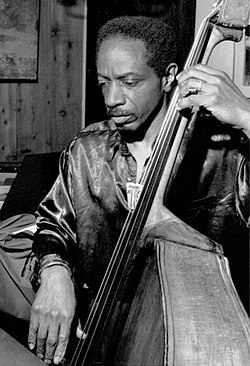
Key Facts
- Prolific Collaborator: Recorded with jazz icons including John Coltrane, Art Blakey, and Wayne Shorter.
- Ensemble Leader: Led several distinct groups, most notably the long-running Trio 3.
- Genre Versatility: Spans a wide range of styles from traditional jazz and hard bop to experimental and free jazz.
- Global Reach: Collaborated extensively with international artists, particularly in the Japanese jazz scene.
Workman as Leader and Co-Leader
As a leader, Workman transitioned from traditional structures to more open, improvisational forms. His early leadership work in the late 1970s, such as Conversation and The Works of Workman, laid the groundwork for his later, more abstract explorations.
The Super Jazz Trio and Trio Transition
Workman's collaborative spirit is evident in his work with the Super Jazz Trio (featuring Hidefumi Toki and Art Farmer) and Trio Transition. These groups focused on a blend of standards and original compositions, emphasizing tight interplay and rhythmic precision.
Trio 3
One of his most significant contributions as a co-leader is Trio 3. This ensemble became a vehicle for deep improvisation, resulting in a vast catalog of recordings from Live in Willisau (1997) to Visiting Texture (2017). Their work often explored the intersection of structure and spontaneity.
Workman as a Supporting Artist
Workman's resume as a sideman is a "who's who" of jazz history. His ability to adapt to different leadership styles made him a first-call bassist for the most demanding bandleaders of the era.
The Coltrane and Blakey Eras
Workman played a pivotal role in the high-energy ensembles of John Coltrane and Art Blakey. His work with Coltrane is particularly notable, appearing on seminal albums like Africa/Brass, Impressions, and the legendary Village Vanguard recordings. With Art Blakey, he contributed to the powerful sound of Free for All and Indestructible.
Diverse Collaborations
Beyond the giants of the 60s, Workman worked with a staggering array of artists across various jazz sub-genres:
- Hard Bop and Post-Bop: Collaborations with Wayne Shorter (Night Dreamer), Freddie Hubbard, and Lee Morgan.
- Avant-Garde and Free Jazz: Work with Archie Shepp, Cecil Bridgewater, and Roscoe Mitchell.
- Experimental and World Fusion: Projects with Alice Coltrane (World Galaxy) and Sussan Deyhim.
- Modern Masters: Long-term partnerships with Mal Waldron and Marilyn Crispell.
Discography Summary
| Role | Key Collaborators / Groups | Notable Labels | Era |
|---|---|---|---|
| Leader | Trio 3, Super Jazz Trio | Intakt, Leo, Baystate | 1977–2017 |
| Supporting | John Coltrane, Art Blakey | Impulse!, Blue Note | 1960s |
| Supporting | Mal Waldron, Marilyn Crispell | Soul Note, Leo | 1980s–1990s |
| Supporting | Wayne Shorter, Freddie Hubbard | Blue Note, Atlantic | 1960s–1970s |
Frequently Asked Questions
Which of the most famous jazz musicians did Workman record with?
Workman recorded with some of the most influential figures in jazz, most notably John Coltrane, Art Blakey, Wayne Shorter, Freddie Hubbard, and Lee Morgan.
What was Trio 3?
Trio 3 was a collaborative ensemble co-led by Workman that focused on improvisational jazz, producing a wide array of albums between 1997 and 2017 on labels such as Intakt and Palmetto.
Did Workman work with Alice Coltrane?
Yes, Workman contributed to Alice Coltrane's recordings, including the albums World Galaxy (1972) and Transfiguration (1978).
What labels released Workman's leadership projects?
His work as a leader was released on several specialized jazz labels, including Leo, Intakt, Baystate, and Music & Arts.
How many albums did he record with John Coltrane?
Workman appeared on numerous Coltrane projects, including Africa/Brass, Ole Coltrane, Ballads, Impressions, and various live recordings from the Village Vanguard and European tours.