Wometco Home Theater: The Rise and Fall of New York's Early Pay-TV Service
Before the ubiquity of modern cable and streaming, Wometco Home Theater (WHT) emerged as a pioneering attempt to bring premium cinema and sports into New York City homes. Operating in an era where the vast majority of the five boroughs lacked cable access—which didn't become widespread until 1988—WHT provided a specialized alternative for viewers seeking high-quality entertainment.
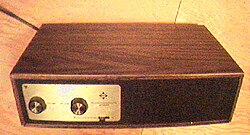
To access the service, subscribers paid $15 for a set-top descrambling box, a device used to decode the scrambled signals transmitted on channel 68. Under the leadership of Vice President of Engineering Alex MacDonald, the company later developed an addressable, two-channel version of this hardware.
Programming and Content Strategy
WHT positioned itself as a local alternative to Home Box Office (HBO), with executives emphasizing a selection of films tailored specifically to the interests of the New York City area. The core subscription offering consisted of 12 features per month, including movies and entertainment specials, with each program repeated five times throughout the month.
Beyond cinema, WHT expanded its appeal by broadcasting live home games of the NHL's New York Islanders from the Nassau Veterans Memorial Coliseum. The service also diversified its late-night offerings with "Nightcap," an adult-themed service identified by its distinctive black cat logo.
The Role of WWHT
During the daytime, the service operated as WWHT, a small commercial television station. While originally intended to be a general entertainment hub competing with independents like WNEW-TV (channel 5), WOR-TV (channel 9), and WPIX (channel 11), high acquisition costs forced a shift in strategy. Instead, WWHT broadcast a mix of low-budget syndicated content, including The Uncle Floyd Show, public affairs, religious programming, stock market reports, and foreign language shows.
Business Turnaround and Expansion
By the fall of 1980, Wometco Enterprises faced significant financial strain, having operated at a loss of over $1 million for more than four years. A new management team, led by President Harold Brownstein and Vice President of Marketing Robert Borders, was brought in to stabilize the company. Within 18 months, they achieved profitability through several strategic moves:
- Operational Consolidation: Moving satellite offices and functions to the headquarters in Fairfield, New Jersey.
- Cost Reduction: Switching from monthly to bi-monthly program guides to lower printing and postage expenses.
- Data-Driven Marketing: Implementing direct response marketing in multimillion-dollar TV ads to track which promotions actually generated sales.
WHT also utilized an MATV (Master Antenna Television) division. This allowed them to partner with real estate developers to provide service to apartment complexes using the building's existing antenna infrastructure.
The Final Years and Legacy
In the spring of 1983, WHT increased its subscription rate to $21 per month and expanded operations to 20 hours a day. While they marketed the service as 24-hour coverage, this included unscrambled blocks of children's programming and religious/public affairs shows. During this period, Wometco Home Theater and Wometco Enterprises were sold to the private investment firm Kohlberg Kravis Roberts & Co.
The decline began in 1984 when WHT ceased producing its own original programming and began carrying content from the California-based service SelecTV. Following a steady loss of subscribers, WHT officially ceased operations in March 1986.
The aftermath saw WSNL and WWHT transition to "U68," an all-music format similar to MTV, for approximately eight months. Eventually, the stations were purchased by a Home Shopping Network affiliate and are currently owned and operated by the Spanish-language network UniMás.
Key Facts
- Initial Cost: $15 for the descrambling box.
- Peak Subscription Rate: $21 per month (introduced in 1983).
- Primary Channel: Channel 68.
- Key Sports Partner: New York Islanders (NHL).
- Turnaround Period: Became profitable within 18 months under Brownstein and Borders.
- Final Transition: Now operated by UniMás.
| Period | Key Feature/Event | Status |
|---|---|---|
| Early Years | Descrambling box for Channel 68 | Active |
| Fall 1980 | Management change (Brownstein & Borders) | Turnaround |
| Spring 1983 | Sale to Kohlberg Kravis Roberts & Co. | Acquisition |
| 1984 | Switch to SelecTV programming | Outsourced |
| March 1986 | Cessation of WHT operations | Closed |
Frequently Asked Questions
How did viewers watch Wometco Home Theater?
Viewers used a set-top descrambling box to decode the scrambled signals broadcast on channel 68.
What kind of programming did WHT offer?
The service offered 12 features a month, including movies and entertainment specials, as well as live New York Islanders NHL games and a late-night adult service called "Nightcap."
Why did WHT target New York City specifically?
WHT targeted the area because most of the five boroughs did not have access to cable television service until 1988, creating a market for an alternative pay-TV provider.
How did the company become profitable after years of losses?
Profitability was achieved by consolidating offices in New Jersey, reducing printing costs for program guides, and using direct response marketing to optimize advertising spend.
What happened to the stations after WHT closed?
The stations briefly ran an all-music format called "U68" before being bought by a Home Shopping Network affiliate; they are now part of the UniMás network.