Wolf Biology, Evolution, and Global Conservation
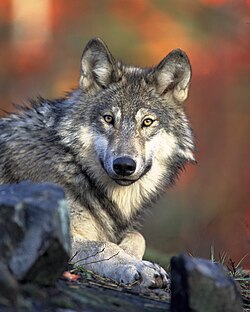
The wolf (Canis lupus) is a highly adaptable apex predator that has existed since the Middle Pleistocene, approximately 400,000 years ago. As a member of the Canidae family, the wolf is not only a critical component of various ecosystems but also the ancestral root of the domestic dog. From the frozen tundras of the Arctic to the mountainous regions of the Apennines, wolves play a pivotal role in maintaining the balance of nature through their complex social structures and hunting behaviors.
Key Facts
- Scientific Name: Canis lupus
- Conservation Status: Least Concern (IUCN 3.1)
- Temporal Range: 400,000 years ago to the present
- Primary Diet: Ungulates (hoofed mammals)
- Social Structure: Pack hunters specializing in vulnerable prey
- Global Distribution: North America, Eurasia, and parts of the Middle East
Evolution and Taxonomy
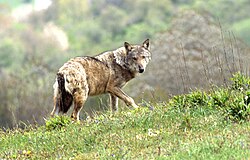
Modern wolves and domestic dogs share a common ancestral wolf population. Genomic research indicates a complex divergence history. For instance, the Himalayan wolf and the Indian plains wolf represent a basal lineage that split from other wolves roughly 200,000 years ago. Most other wolf populations share a more recent common ancestry, diverging within the last 23,000 years, likely originating from Siberia or Beringia.
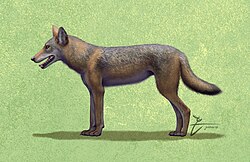
The split between Old World and New World wolves occurred approximately 12,500 years ago. Shortly after, the lineage leading to domestic dogs diverged from Old World wolves between 11,100 and 12,300 years ago. Interestingly, the Mexican wolf diverged from other New World lineages about 5,400 years ago, while wolves in Europe, Asia, and the Middle East diverged more recently, around 1,600 years ago.
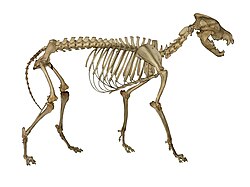
Physical Characteristics and Pelage
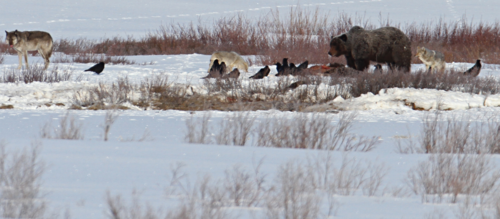
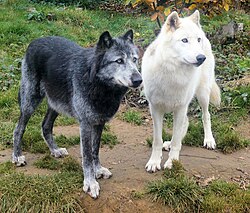
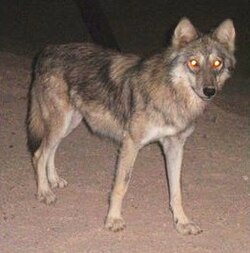
Wolf coat colors often follow Gloger's rule, which suggests that populations in more humid or tropical environments tend to be more heavily pigmented. In North America, this is evident as Arctic wolves are white, while those in the U.S. and Mexico are predominantly grey. In certain regions of the Rocky Mountains, black, blue-grey, and silver coats are common.
Research suggests that black coloration in North American wolves resulted from admixture (genetic mixing) with domestic dogs after dogs first crossed the Bering Strait 12,000 to 14,000 years ago. While North American females often exhibit redder tones than males, no such sexual dimorphism in coat color exists in Eurasian populations.
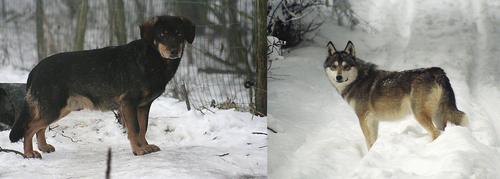
Ecology and Hunting Behavior
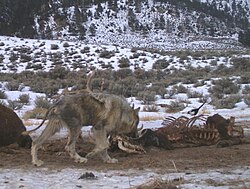
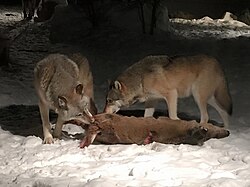
Wolves are specialized pack hunters that primarily target ungulates (hoofed mammals). Their prey generally falls into two categories: medium-sized (23–130 kg) and large-sized (240–650 kg). A pack's ability to take down prey is often tied to its combined mass; for example, a pack of 15 wolves is capable of bringing down an adult moose.
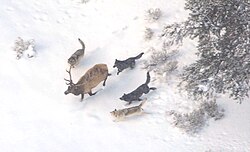
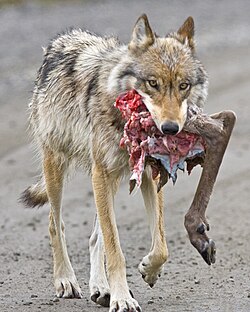
While ungulates are the primary food source, wolves are opportunistic. Depending on the continent and available resources, they may supplement their diet with smaller mammals, domesticated animals, or even fish and insects. They typically target the most vulnerable individuals within a prey population, such as the old, sick, or very young.
Global Distribution and Conservation
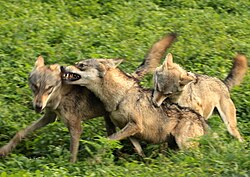
The conservation status of the wolf varies significantly by region, reflecting different legal protections and human-wildlife conflicts.
North America
Canada serves as a major stronghold, with 50,000 to 60,000 wolves occupying 80% of their historical range. In Alaska, 7,000 to 11,000 wolves inhabit about 85% of the state's land area. While protected in national parks, regulated hunting and trapping are permitted in other areas.
Eurasia and the Middle East
The European Union hosts approximately 20,300 wolves across 23 countries, with many protected under the Berne Convention and EU Council Directives. In the Middle East, protection is more limited; Israel has maintained a population of about 150 wolves since 1954, while Turkey has an estimated 7,000. The Arabian Peninsula is home to roughly 300 to 600 wolves.
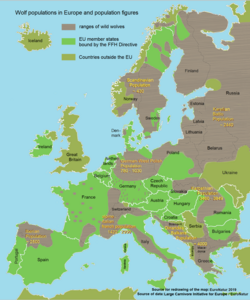
| Region | Estimated Population | Primary Status/Protection |
|---|---|---|
| Canada | 50,000 – 60,000 | Stronghold; Protected in National Parks |
| Alaska | 7,000 – 11,000 | Widespread; Regulated Hunting |
| European Union | ~20,300 | Strictly protected in many member states |
| Turkey | ~7,000 | Widespread |
| Israel | ~150 | Legally protected since 1954 |
| Arabian Peninsula | 300 – 600 | Limited protection |
Human-Wolf Interactions

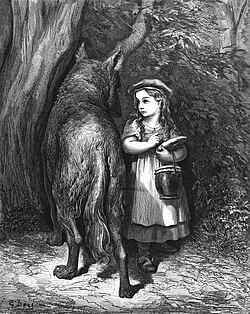
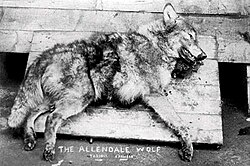
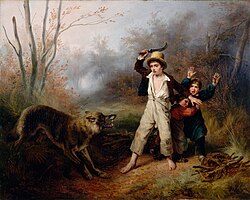
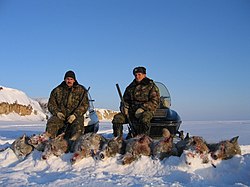
The relationship between humans and wolves is historically fraught with conflict, primarily due to predation on livestock. This has led to extensive hunting and persecution. However, wolves also hold a deep place in human culture, appearing in myths—such as the Capitoline Wolf of Rome—and folklore, including the tale of Little Red Riding Hood.

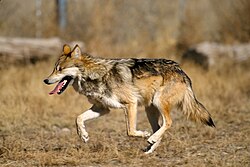
Modern conservation efforts focus on non-lethal methods to prevent livestock predation and the reintroduction of species, such as the Mexican wolf in New Mexico, to restore ecological balance.
Frequently Asked Questions
Do wolves and dogs come from the same ancestor?
Yes, genomic studies suggest that both modern wolves and domestic dogs descend from a common ancestral wolf population, though they diverged thousands of years ago.
Why are some wolves black?
In North America, black coats are believed to be the result of genetic admixture with domestic dogs that arrived across the Bering Strait between 12,000 and 14,000 years ago.
What do wolves primarily eat?
Wolves predominantly feed on ungulates (hoofed mammals). They target both medium-sized prey (23–130 kg) and large prey (240–650 kg), often focusing on the most vulnerable individuals.
Are wolves endangered?
Globally, the species is listed as "Least Concern" by the IUCN. However, specific populations or subspecies in certain regions may face significant threats and require legal protection.
How do wolves hunt large animals like moose?
Wolves use pack hunting strategies to bring down large prey. A pack of approximately 15 wolves is capable of successfully hunting an adult moose by combining their strength and coordinating their attack.