Exploring Washington: The Evergreen State
Located in the Pacific Northwest of the United States, Washington is a state defined by its dramatic contrasts. From the rugged, mist-covered coastline and temperate rainforests of the west to the arid, sun-drenched landscapes of the east, Washington offers a diverse tapestry of ecosystems, cultures, and industries. Known de facto as "The Evergreen State," it is a land of towering mountains, bustling metropolitan hubs, and vast agricultural expanses.
Key Facts
- Capital: Olympia
- Largest City: Seattle
- Statehood: November 11, 1889 (42nd state)
- Nickname: The Evergreen State
- Motto: Alki (Chinook jargon for "By and By")
- Total Area: 71,362 sq mi
- Highest Point: Mount Rainier (14,400 ft)
Geography and Climate
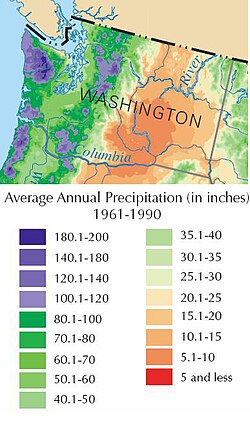
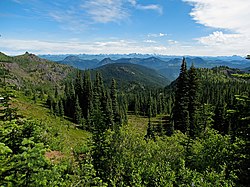
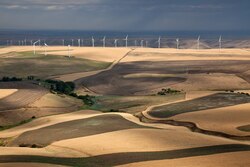
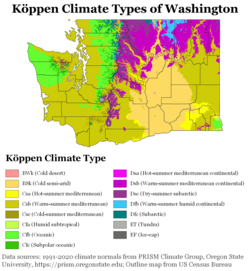
Washington's geography is split by the Cascade Mountains, creating two distinct environmental zones. The western portion is characterized by high rainfall and lush greenery, while the eastern portion experiences much drier conditions. This phenomenon is often influenced by the rain shadow effect, where mountains block moisture-laden air from reaching the eastern side of the range.
Diverse Landscapes
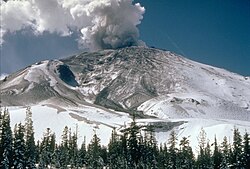
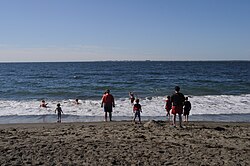
The state's terrain is incredibly varied. To the west, the Pacific coast provides a dramatic maritime boundary, while the interior is home to massive volcanic peaks. Notable landmarks include Mount Rainier, the state's highest point, and the volcanic activity associated with Mount St. Helens.
Climate Patterns
Climate in Washington varies significantly by location. Coastal and western areas receive substantial precipitation, whereas eastern regions are much more arid. For example, while cities like Bellingham experience significant rainfall, eastern locations like Ephrata see much lower averages. Temperature extremes also vary, with record lows reaching as low as -48°F in some areas.
![Dryland farming caused a large dust storm in arid parts of Eastern Washington on October 4, 2009. Courtesy: NASA/GSFC, MODIS Rapid Response.[81]](/images/b6/49/b649babc3e858548e6394946135f01fccd9489a7e8df06e21d8f624f43d51f16.jpg)
Demographics and Society
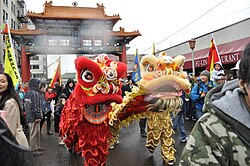
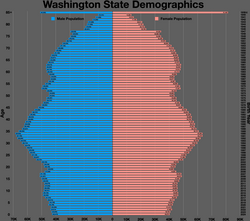
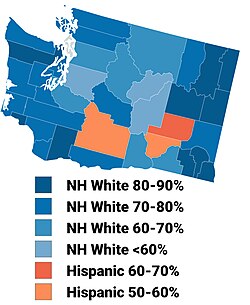
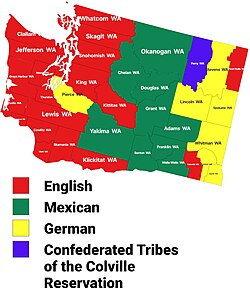
As of 2025, Washington's population is estimated at approximately 8,001,020 residents. The state is a melting pot of diverse backgrounds, with a growing multiracial population and significant Hispanic, Asian, and African American communities. This diversity is reflected in the various languages spoken throughout the state, including Spanish, Chinese, Vietnamese, and Tagalog.
![Race and Hispanic origin of Washington by county, showing race by color, and then breaking down non-Hispanic and Hispanic origin by color tone. The county population is shown by size and by the label. The same data on the map below shows non-Hispanic and Hispanic origin first and then breaks that down by race using color tone.[142]](/images/d7/bb/d7bb7ee1ee9c98622576f35c1a3fc8525b8aad2745d0a4054b6ffe4b58c6dfd9.png)
![The same race and origin data as above, but the Hispanic origin is grouped first, then by race. The first emphasizes the racial diversity of people of Hispanic origin, while the second grouping gives a clearer indication of the total Hispanic population.[142]](/images/86/fd/86fd43f4ce98ec786587c864a926b472564039b6de8742c02a3c07847f5b3631.png)
Urban Centers and Living
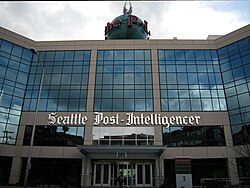
The Seattle metropolitan area serves as the state's primary economic and cultural engine. Other significant urban centers include Spokane, Tacoma, Vancouver, and Bellevue. These cities host a wide array of industries, from technology and aerospace to maritime trade and agriculture.
Economy and Industry
Washington boasts a robust economy with a median household income of $94,600 (as of 2023), ranking it 7th in the nation. The state is a leader in several key sectors:
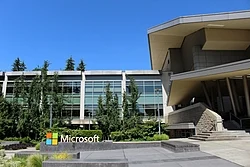
- Technology: Home to major global corporations and innovation hubs.
- Aerospace: A significant history of aircraft manufacturing and engineering.
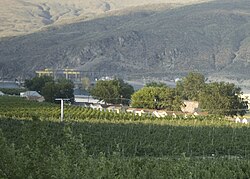
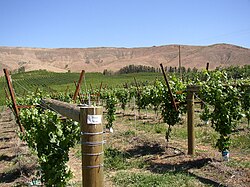
- Agriculture: A vital sector, particularly in the production of apples and wine.
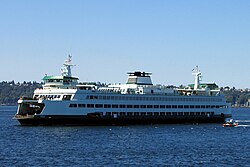
- Maritime: Extensive use of ferry systems and shipping.

State Symbols and Culture
Washington has a rich array of official symbols that represent its natural beauty and heritage. These include the Western hemlock (state tree), the Rhododendron (state flower), and the Steelhead trout (state fish). The state's culture is also expressed through traditions like square dancing and a vibrant professional sports scene.
Summary of State Profile
| Category | Details |
|---|---|
| Government | Governor Bob Ferguson; Capital Olympia |
| Land Area | 66,636 sq mi (Land) |
| Water Area | 4,725 sq mi (6.6%) |
| Population (2025 est.) | 8,001,020 |
| Median Income (2023) | $94,600 |
Frequently Asked Questions
What is the official language of Washington?
Washington does not have an official language de jure (by law), though English is used de facto (in practice).
What are the major professional sports teams in Washington?
Major teams include the Seattle Seahawks (NFL), Seattle Mariners (MLB), Seattle Kraken (NHL), Seattle Sounders FC (MLS), and the Seattle Storm (WNBA).
How is the state's population distributed?
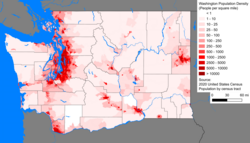
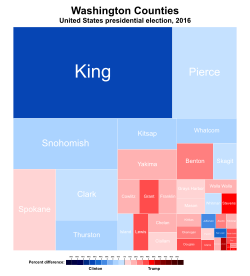
The population is heavily concentrated in the Puget Sound region, particularly in King County, which contains the state's largest city, Seattle.
What is the significance of the name "Alki"?
"Alki" is a word from Chinook jargon that means "By and By," serving as the official state motto.
Which mountains are prominent in Washington?
Washington is home to several significant peaks, including Mount Rainier, Mount St. Helens, Mount Baker, Glacier Peak, and Mount Adams.